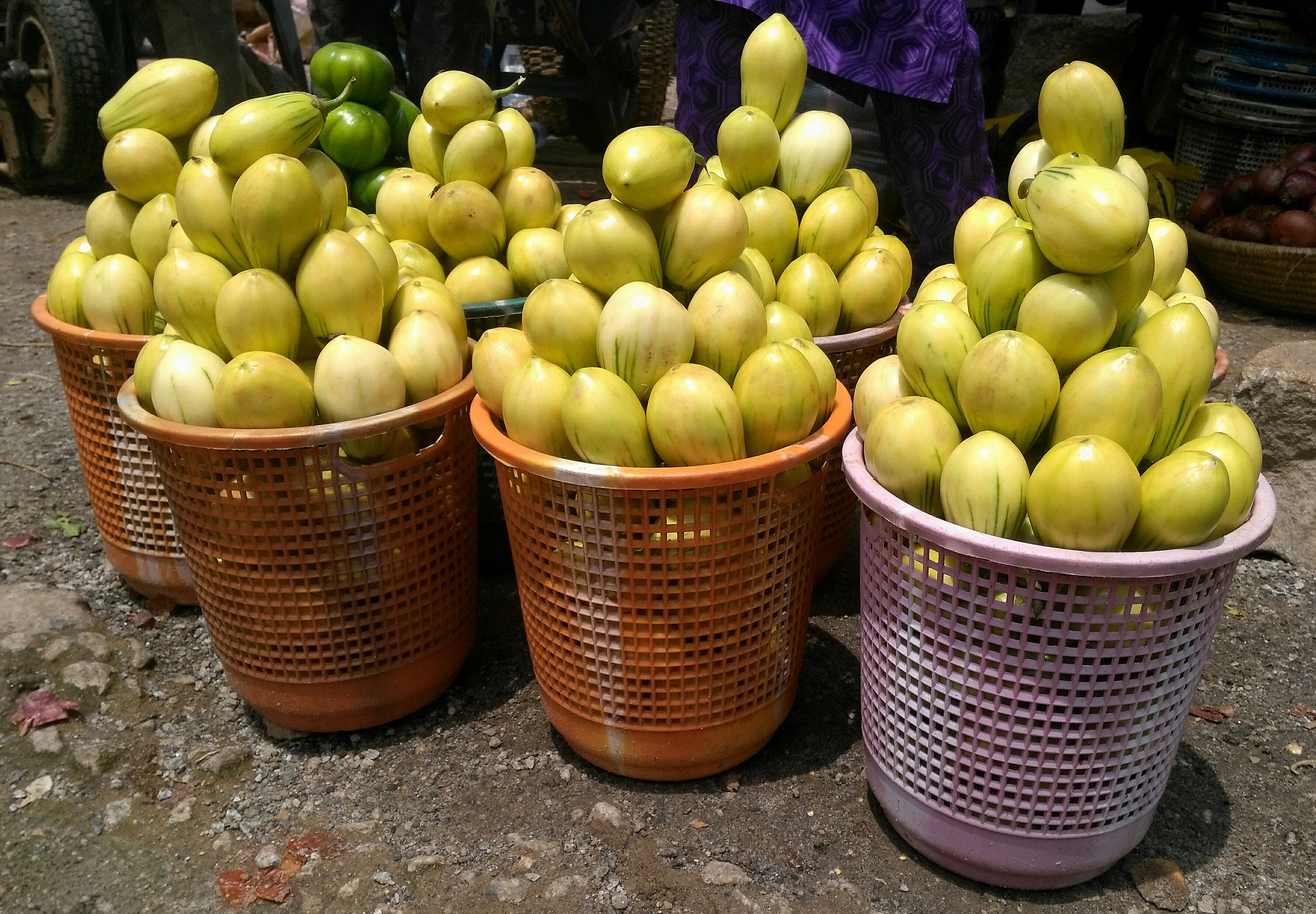
Ugba, the tangy fermented relish sliced from African oil bean seeds, is one of Nigeria's most beloved traditional foods and one of its most overlooked economic opportunities. Known as ukpaka among the Igbo and ukana among the Efik, it is eaten with tapioca, stockfish and garden eggs and forms the heart of dishes such as abacha, the African salad, and is consumed by an estimated 15 million people in Eastern Nigeria, according to a study published by Science Alert. For all that reach, it barely exists as an industry.
Cheap Protein From a Forest Tree
The nutritional value is the reason it has endured. Made from the seeds of the African oil bean tree, Pentaclethra macrophylla, ugba is a good source of protein, healthy fats, essential minerals and, thanks to fermentation, probiotics, according to reviews of the food carried by traditional-food sellers such as Majestic Organic Store. Scientists describe the fermented cotyledon as a cheap source of plant protein, produced by fermenting the seed for two to five days for a salad or six to ten days as a soup flavouring, according to a review in the National Center for Biotechnology Information. Nutrition writers point to further benefits, from antibacterial compounds to higher haemoglobin levels, while noting the crop has been cultivated in Nigeria since the 1930s, according to 9jafoods and Buzz Nigeria.
Made by Hand, and That Is the Problem
The weakness is in the making. Ugba is prepared largely as a small family business in homes, using rudimentary equipment and methods handed down through generations, which produces a non-uniform product and raises persistent questions about microbial safety, quality and consistency, according to the National Center for Biotechnology Information review. A food this widely eaten deserves reliable standards, yet it has largely been left outside formal food processing.
A Case for Industrialisation
The upside of fixing that is large. With better production processes, packaging and marketing, Nigeria's native condiments, ugba among them, have considerable potential to improve nutrition, create jobs and strengthen food security, according to a review on ResearchGate, which called for good manufacturing practices to lift quality and consumer confidence. Standardised, hygienically produced and properly packaged ugba could travel far beyond the South East and into the diaspora market that already buys it dried online.
A safe, affordable, protein-rich relish that reaches more kitchens is a quiet win for food security. FoodPrices Nigeria tracks verified prices for proteins and staples across Lagos markets, where cheap, reliable protein makes the difference in a family's meals.