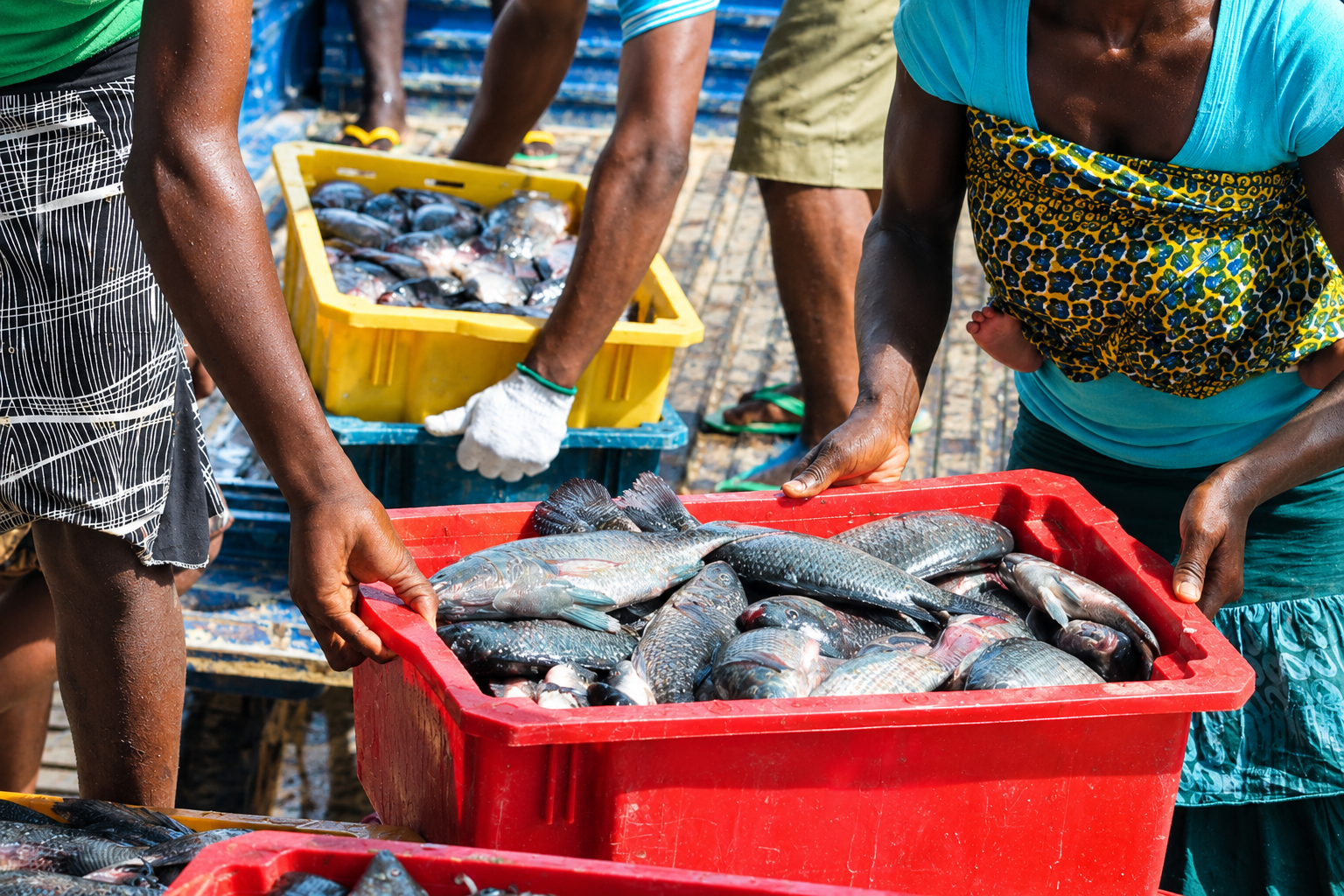
Nigeria has secured zero-tariff access for its seafood to China's vast market after signing a protocol governing the inspection and quarantine requirements for Nigerian wild aquatic products entering the country, according to African Insider. The agreement was signed in Abuja on August 13, 2026 by the Chinese Ambassador to Nigeria, Yu Dunhai, and the Comptroller-General of the Nigeria Agricultural Quarantine Service, Dr Vincent Isegbe.
Five Years in the Making
The protocol was concluded after nearly five years of negotiation and grants eligible Nigerian aquatic products zero-tariff access to a market of about 1.4 billion consumers, according to Tribune Online. Ambassador Yu described the agreement as an institutional step towards implementing China's zero-tariff policy for African countries, and said it would help expand agricultural trade, develop Nigeria's fisheries sector and raise the country's export earnings, as African Insider reported.
A Trade Relationship on the Rise
The deal lands as commerce between the two countries accelerates. Bilateral trade reached $18 billion in the first half of 2026, compared with $28 billion for the whole of 2025, while Nigerian exports to China rose by 80 per cent over the same period, according to Vanguard and ThisDay. The Minister of Power and Director-General of the Nigeria-China Strategic Partnership, Joseph Tegbe, urged Nigerian exporters to move quickly to seize the opening, stressing that the protocol must be converted into measurable increases in exports and foreign exchange, according to National Daily.
What It Means for the Fisheries Sector
The NAQS Comptroller-General said his agency would support exporters in meeting the sanitary and compliance requirements needed to enter the Chinese market, and flagged the potential for similar market-access deals in other agricultural and fishery products, noting that global demand for aquatic products could sharply raise Nigeria's exports to China if properly leveraged, according to Tribune Online. The prize is significant for a country that still imports large volumes of fish to meet domestic demand, and a stronger export channel could, over time, reward investment in local fishing and aquaculture.
A more valuable seafood export trade means more income for coastal and riverine fishing communities and a firmer footing for the wider protein economy. FoodPrices Nigeria tracks verified retail prices for fish and other proteins across Lagos markets, and follows the trade shifts that shape both what Nigeria earns abroad and what households pay at home.