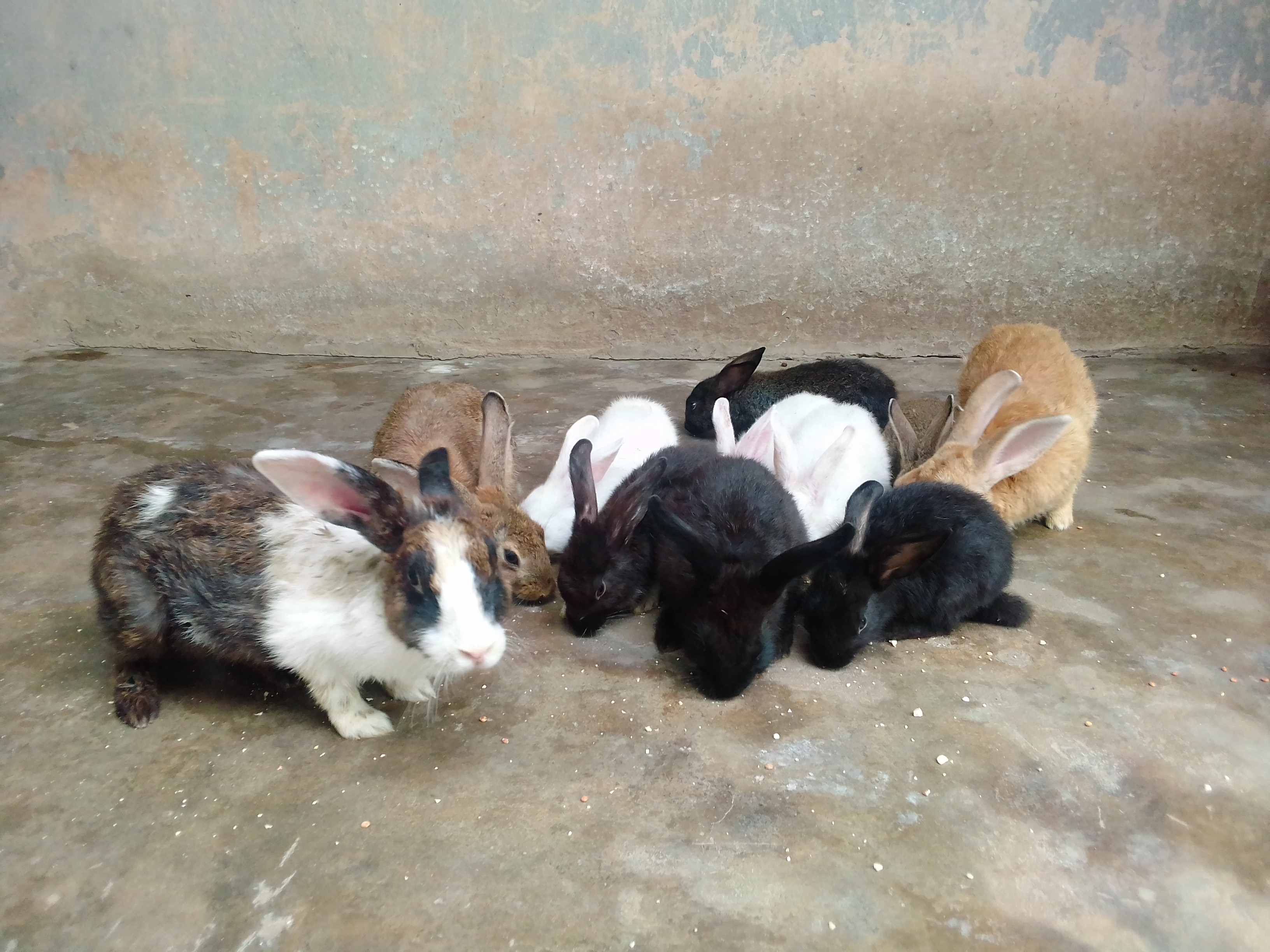
Rabbit farming remains one of the cheapest routes to animal protein in Nigeria, and one of the least travelled. At a public lecture held at the Bauchi State College of Agriculture to mark Rabbit Appetite Day, animal scientists argued that the country must raise both consumption and commercial production to unlock the sector, with only about three to five per cent of Nigerians currently involved, mostly on a small scale, according to MSME Africa.
A Protein Built for Nigeria's Squeeze
Rabbit meat is high in protein, low in fat and well suited to addressing protein deficiency, and rabbit farming aligns with climate-smart agriculture because it needs less land and water and produces fewer greenhouse gas emissions than larger livestock, the same lecture noted. The case is sharpest in places where other proteins are slipping away. In parts of the Niger Delta, researchers have pointed to rabbit rearing as a way to bridge the animal protein gap left by declining fish catches, according to a study published in Livestock Research for Rural Development.
Small Herds, Big Gaps
The national herd tells the story of neglect. Nigeria counts roughly 1.7 million rabbits against about 13 million cattle, 34.5 million goats and 22.1 million sheep, a strikingly low figure for an animal that breeds quickly, according to research in the Journal of Agricultural Science and Environment. The sector is dominated by the smallest producers, with ultra-small and smallholder units making up about 80 per cent of all rabbit farms and breeds drawn mainly from imported meat types such as the New Zealand White, Californian and Chinchilla, according to a study archived by AGRIS, which also found no reliable, steady supply of breeding stock anywhere in the survey area.
The Mortality Problem
Keeping young rabbits alive is the sector's hardest task. Overall mortality between birth and marketing has been estimated at 30 to 40 per cent, highest among the young, and performance is strongly tied to the standard of management, according to work in World Rabbit Science. Speakers at the Bauchi lecture named low public awareness and high kit mortality as the key brakes on growth, while stressing that the wider value chain, from breeding and feed to veterinary services, processing and marketing, offers several entry points for jobs, according to MSME Africa.
A cheaper, leaner protein that multiplies fast could take pressure off costlier options on the Nigerian plate. FoodPrices Nigeria tracks verified retail prices for proteins such as eggs and crayfish across Lagos markets, where any new affordable source of animal protein would eventually register.