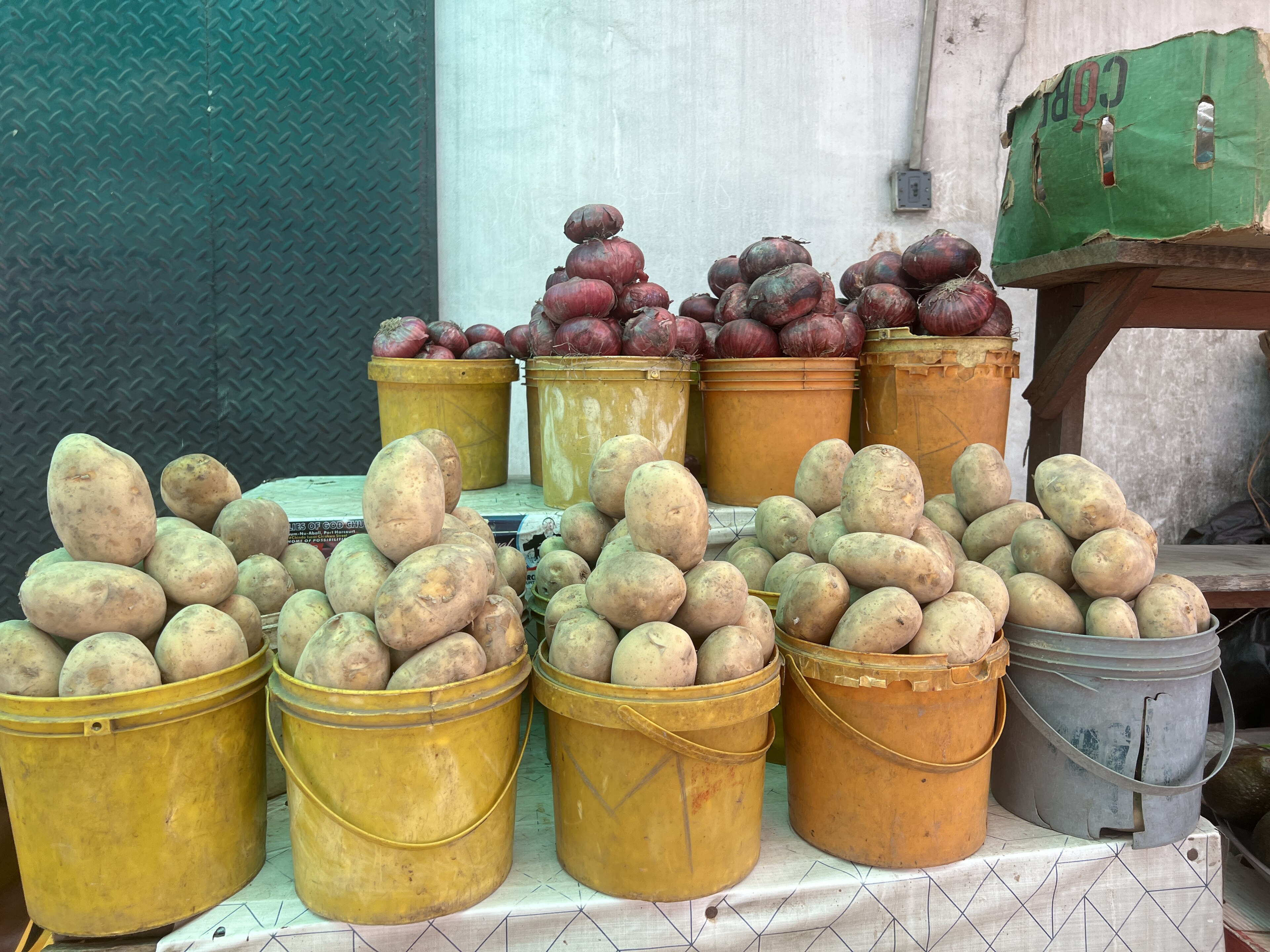
Nigeria grows more Irish potato than almost anywhere else in the region, yet it barely scratches the surface of what the crop could deliver. The Jos Plateau is home to the largest contiguous potato-growing area in sub-Saharan Africa, a temperate highland uniquely suited to year-round production, according to Punch. The problem is not land or climate. It is what goes into the ground.
A Powerhouse With Thin Yields
Nigeria cultivates over 320,000 hectares of potato and produces about 1.2 million tonnes a year, but average yields barely surpass 3.8 tonnes per hectare, far below the 20 tonnes per hectare that is reasonably achievable under smallholder conditions, according to Punch. The single biggest reason is poor access to quality planting material, a systemic gap that leaves farmers replanting low-yielding, disease-carrying tubers season after season. Nigeria ranks as the fourth largest producer of Irish potato in sub-Saharan Africa, with Plateau State alone accounting for over 80 per cent of national output, according to Business Plans in Nigeria.
Seed at the Centre of the Fix
State authorities have started to treat seed and productivity as the priority. At a horticulture festival in Jos, the Executive Director of the National Root Crops Research Institute, Chidozie Egesi, said Nigeria leads potato production in West Africa but its yields still trail global standards, and he pointed to improved seed quality and stronger stakeholder collaboration as essential to lifting output, according to Vanguard. Officials at the same event said Plateau was committed to expanding into other high-value crops such as strawberries for export, a signal of the horticultural ambition building around the highland.
Grown in the Cool Highlands
Production is concentrated in the country's cooler, higher-altitude zones, with the leading states being Plateau, Kaduna, Nasarawa, Bauchi and Taraba, according to Foraminifera Market Research. On the Jos Plateau the crop can be grown all year, with the uplands cultivated during the rainy season and the flooded valley plains, or fadama, farmed in the dry season, according to Agriculture Nigeria. That year-round window is a rare advantage for a fresh crop, yet it is undercut by weak storage and the perishability of the fresh tuber.
The Processing Prize
The larger opportunity sits downstream. Demand for processed potato products such as chips, French fries and frozen snacks has been rising steadily on the back of urban populations, busy lifestyles and the spread of fast-food outlets, according to Foraminifera Market Research. Beyond snacks, potato can be turned into flour used in baking and as a thickener, and into starch valued in the pharmaceutical, textile and paper industries, according to Business Plans in Nigeria. Each of those products keeps value at home that the country currently forfeits by selling raw tubers.
Better seed, better storage and more processing would steady both farmer incomes and the price of a staple that shows up in kitchens and fast-food counters alike. FoodPrices Nigeria tracks verified retail prices across Lagos markets and follows the productivity gaps that decide what households ultimately pay.