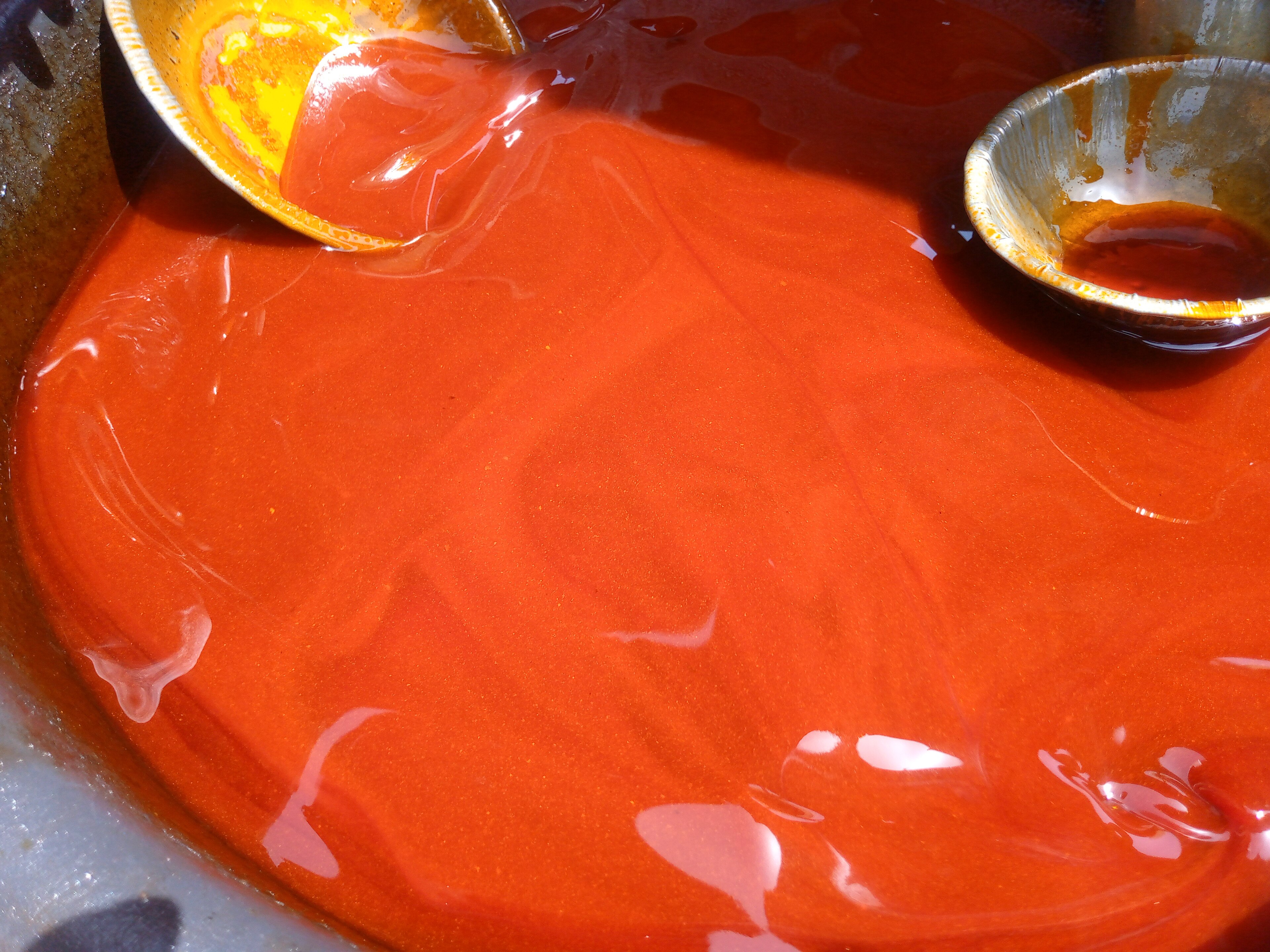
Nigeria's palm oil sector is climbing, but it is still some distance from feeding the country on its own. Output rose to 1.57 million tonnes in 2025, extending a five-year growth trend, even as the country faces a supply gap of more than 1 million tonnes, according to Tekedia. Domestic demand runs above 2.5 million tonnes a year, well ahead of what local mills produce, as Nairametrics reported.
The Big Producers Expand
Large vertically integrated growers are leading the gains. Presco recently opened a 15,000-hectare expansion and a 60-tonne-per-hour mill in Edo State, while Okomu reported a profit of ₦34.4 billion from palm oil in 2025, up 87 per cent, according to Nairametrics. Yet smallholder farmers still account for more than 80 per cent of national output, many working with aging trees and outdated processing that hold yields down, the Tekedia report noted.
A Costly Import Habit
The gap keeps Nigeria spending heavily abroad, with the palm oil import bill reaching about ₦612 billion in 2025, according to the Nigerian Observer. Pressure on imported supply is building as Indonesia, the world's largest producer, moves toward a 50 per cent palm-oil biodiesel blend and maintains high export taxes, raising costs for Nigerian buyers, as Nairametrics explained.
A Price Twist at Home
Curiously, while global prices have risen, local palm oil prices fell roughly 30 per cent between December 2025 and March 2026, driven by a surge in cheaper imports and a tariff cut, according to Independent. The shift offers short-term relief to consumers while squeezing the margins of local producers.
FoodPrices Nigeria tracks verified prices for palm oil and branded vegetable oils across Lagos markets, where the contest between local output and imports shows up directly in what households pay for cooking oil.