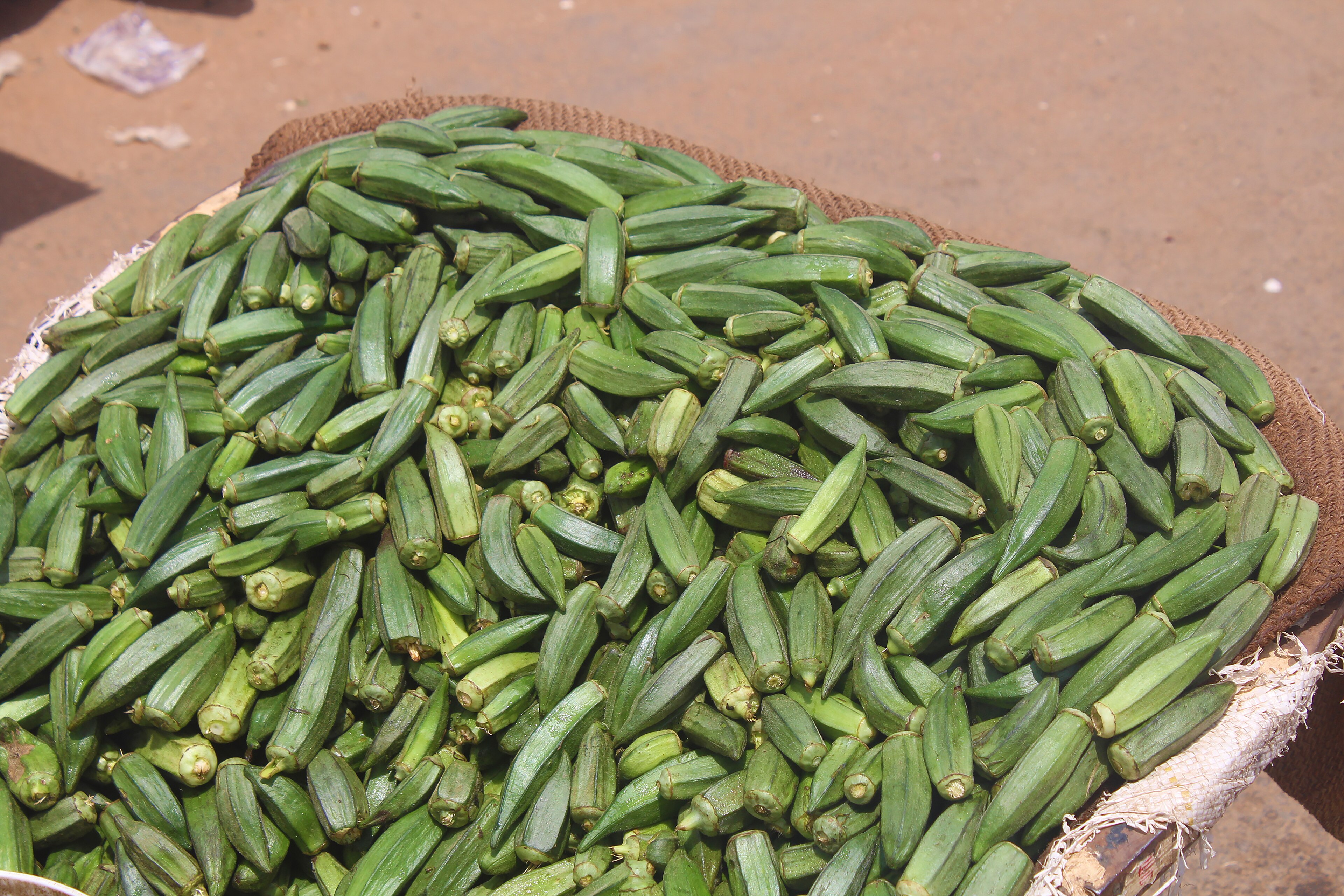
Okra, the pod that thickens soups from Lagos to Kano, is one of Nigeria's most widely grown vegetables, yet the country captures only a fraction of its value. Nigeria ranks among the largest okra producers in West Africa, but its output is oriented overwhelmingly toward domestic and regional markets rather than higher-value trade, according to Tridge.
A Big Crop for a Big Region
Africa accounts for about 22.4 per cent of the global okra market, with Nigeria, Ghana and Kenya serving as significant production and consumption hubs, and African governments increasingly treat okra as a strategic crop for food security, smallholder income and better nutrition, according to a market review by Marketintelo. Demand momentum is building on the back of a young, urbanising population, across both traditional markets and formal retail, the same review noted, which should be good news for a country that grows so much of it.
Perishability Is the Enemy
The trouble is how quickly the pod turns. Fresh okra is a highly perishable, quality-sensitive vegetable whose pods dehydrate and lose market value fast, so competitiveness depends on rapid harvest-to-market throughput, careful handling and reliable temperature control, according to Tridge. Without cold chains and quick logistics, much of the crop degrades between the farm and the buyer, eroding both quality and price.
Processing Offers a Way Out
Turning okra into dried and frozen forms extends its life and its reach. Dried okra supports off-season use and longer storage, letting supply stretch beyond the fresh-market window, according to Tridge, while frozen okra is typically blanched and supplied as free-flowing pieces that can travel long distances, according to Tridge. Frozen and processed okra products are gaining traction globally as consumers reach for convenient, long-lasting options, according to a market outlook by WiseGuy Reports, a shift that rewards countries able to process rather than only to grow.
Standards Stand Between Field and Foreign Shelf
Reaching premium buyers means clearing a quality bar. Market access for okra is shaped heavily by pesticide-residue compliance, pest pressure and cold-chain reliability, according to Tridge, and export opportunities to Europe and North America are expanding only gradually as African producers gain certifications and align with international standards, according to Marketintelo. For Nigerian growers, meeting those thresholds is the difference between a export sale and a spoiled harvest sold cheap at the farm gate.
Okra is a staple in Nigerian kitchens and a line item on every soup budget, so cutting its losses would ease both farmer incomes and household costs. FoodPrices Nigeria tracks verified okro prices across Lagos markets and follows the storage and processing gaps that decide how much of the crop ever earns its keep.