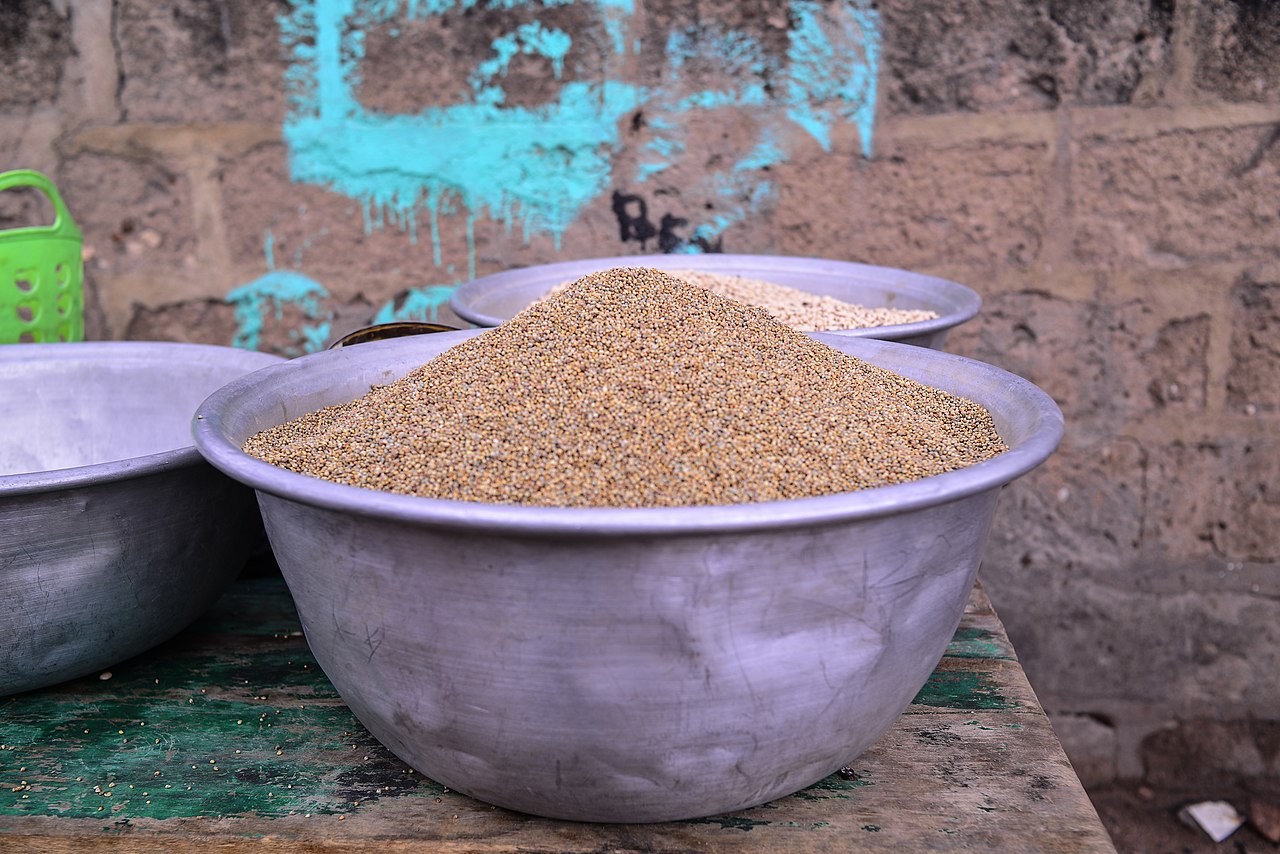
As climate change makes Nigerian harvests less predictable, one crop is built almost perfectly for the challenge, and yet it sits on the margins of national planning. Millet is drought-resistant, highly nutritious and needs minimal inputs, which makes it ideal for the arid and semi-arid regions of Nigeria, but its potential in the country's agricultural value chain remains largely untapped, according to Leadership.
A Grain Built for Heat and Drought
Millet's resilience is its headline strength. Often called a nutri-cereal, it carries high dietary fibre, essential minerals such as iron and calcium and a low glycemic index compared with rice and wheat, according to a review in Frontiers in Plant Science. It also uses about 70 per cent less irrigation than rice and can survive on just 200 to 400 millimetres of rainfall, according to Mordor Intelligence. Under climate stress, millet and sorghum are among the most resilient staples, projected to lose far less yield than rice and wheat in warming scenarios, according to research published in ScienceDirect, and farmers in the north have already been shifting from guinea corn toward millet for that reason, according to a separate study in ScienceDirect.
Nutrition on the Plate
Millet is woven into everyday Nigerian food. The country grows pearl millet, finger millet and fonio, which appear in fura, kunu, tuwo, bread and fermented drinks, and their low glycemic index makes them suitable for managing diabetes, according to Leadership. Despite those benefits, the report noted, millets have not received adequate attention in Nigeria's agricultural sector, leaving a nutritious and affordable option underdeveloped.
A Market Warming Up
Globally, the grain is having a moment. The millet market reached about $13.22 billion in 2026 and is projected to touch $16.78 billion by 2031, helped by a decisive industry pivot toward climate-resilient crops and by functional foods that command price premiums of 40 to 60 per cent over commodity grains, according to Mordor Intelligence. Nigeria has recorded higher millet output alongside other staples in recent assessments, part of a broader production rebound, according to AgriFocus Africa, which also cautioned that up to 35 million Nigerians could face severe food insecurity in 2026, largely because of insecurity and disruptions to farming.
Why It Matters Now
A crop that shrugs off drought and delivers strong nutrition is exactly the kind of insurance a climate-stressed food system needs. Investment in improved seed, processing and market development could turn millet from a subsistence fallback into a mainstream nutri-cereal. FoodPrices Nigeria tracks verified retail prices for grains and staples across Lagos markets and follows the crops that could steady supply as the climate shifts.
#Millet, #NutriCereal, #ClimateSmart, #FoodSecurity, #Agriculture, #Nigeria, #Lagos, #FoodPrices, #Grains, #Nutrition