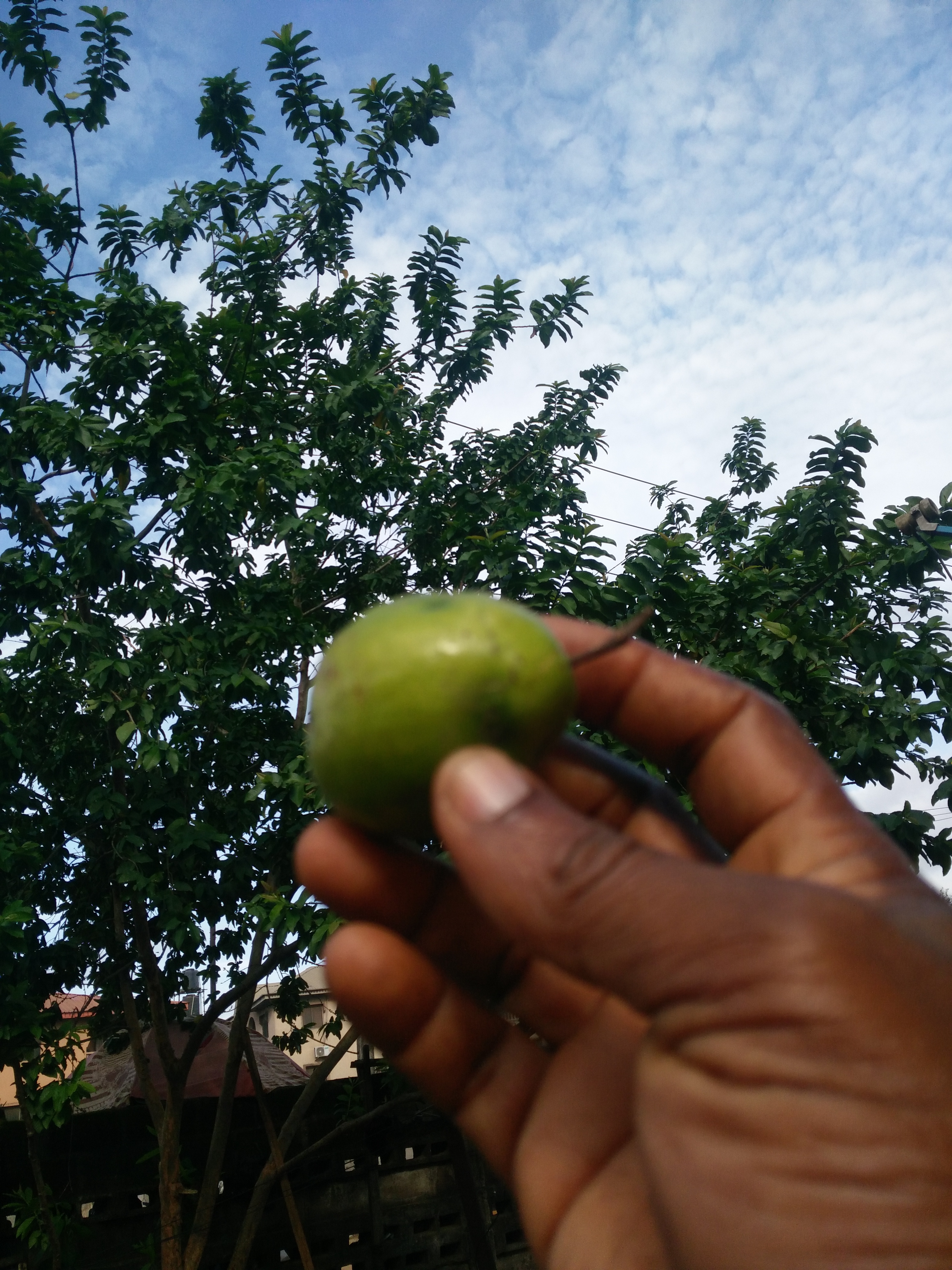
Guava is one of the most nutrient-dense fruits a Nigerian farmer can grow, yet it remains one of the least commercially processed. The fruit contains about four times the vitamin C of an orange, along with fibre, antioxidants and pectin, and is commercially turned into juices, jellies, soft drinks and baby food, according to a review of guava processing and by-products published on ResearchGate.
A High-Value Fruit Sold Cheap
Despite that potential, most guava in Nigeria is sold fresh at the farm gate or roadside, where a short shelf life pushes prices down and waste up. Guava is prized for adaptability and high yields, and its sweet, musky pulp feeds into jams, jellies, nectars, juice concentrates, ice-cream toppings and baby-food bases, according to an industry project report by IMARC Group, which notes that guava-based juices and health snacks are well placed to benefit from a global shift toward minimally processed foods. A dedicated processing plant with an annual capacity of roughly 3,000 to 10,000 tonnes can run at gross profit margins of 35 to 45 per cent, the same report estimates, a signal of the value that goes unclaimed when the fruit is left unprocessed.
Many Products, Little Uptake
The routes to value addition are well understood. Guava can be turned into juice, jam, puree, dried snacks, canned or frozen products, and even the processing waste can be converted into animal feed and organic fertiliser, according to StartupTipsDaily. Locating processing units close to production clusters cuts spoilage, transport costs and seasonal price swings while giving farmers a reliable buyer, the IMARC Group report adds.
Why Handling Matters
Getting the processing right is not trivial. Studies show significant losses of vitamin C during juice and jam making, while drying can extend guava's shelf life with minimal loss of nutrients, according to a review of guava production and preservation in Current Agriculture Research Journal, which argues smallholders should be trained in affordable technologies to minimise post-harvest losses. Without that support, a fruit that could anchor a healthy-drinks industry keeps rotting in baskets.
A vitamin-rich fruit that grows easily should not be a wasted crop. FoodPrices Nigeria tracks verified retail prices across Lagos markets and follows the value-addition gaps that decide whether a harvest earns or rots.