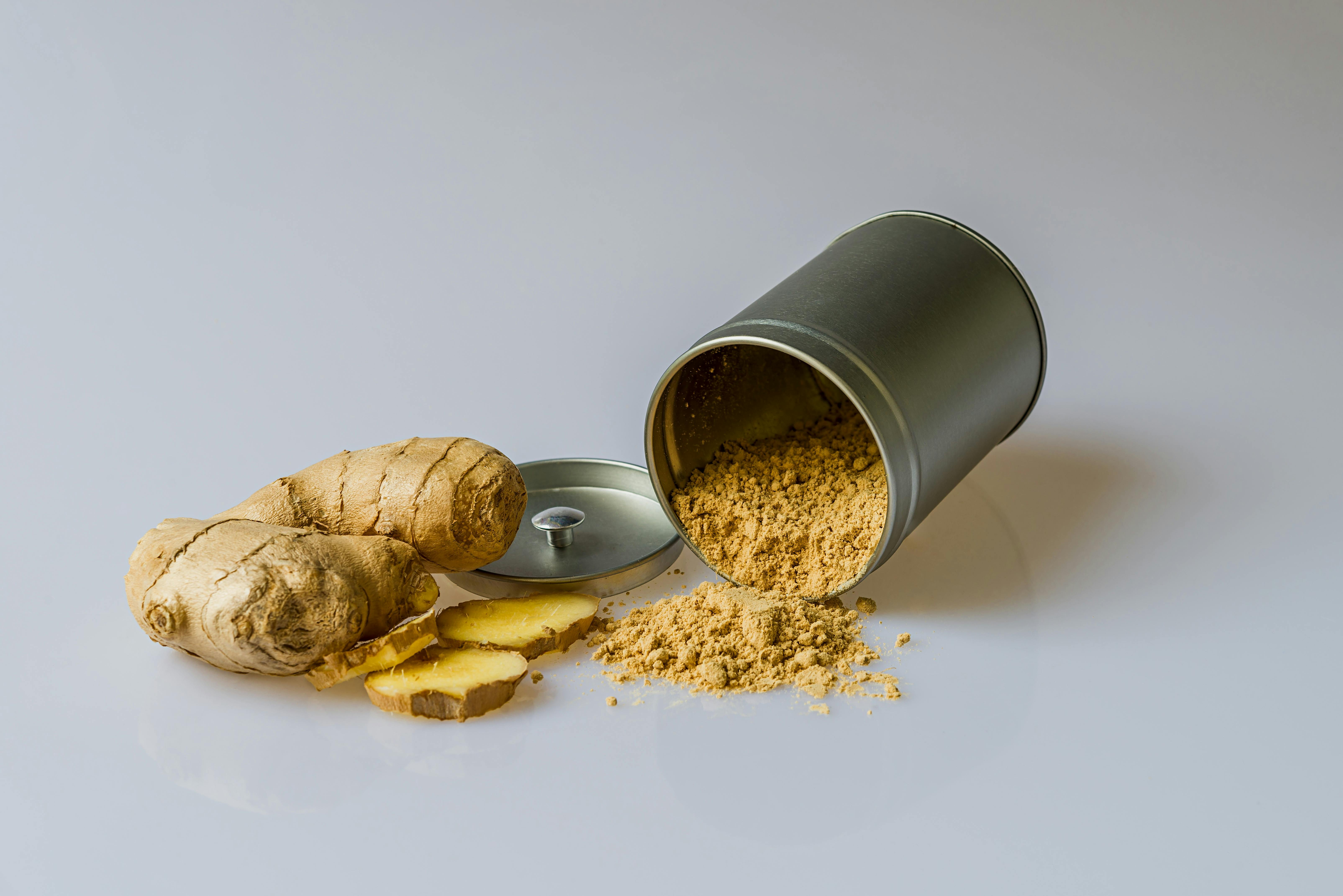
In May 2023, a fungal disease known as ginger blight — caused by Proxipyricularia zingiberis — began spreading silently through the farmlands of southern Kaduna State. By harvest season, it had destroyed over 90% of crops across approximately 2,500 hectares, reaching 95% damage levels in the worst-affected communities of Kachia, Kagarko, and Jaba. The financial damage was swift and enormous: the Federal Ministry of Agriculture confirmed losses exceeding ₦12 billion to ginger farmers in Kaduna, Nasarawa, Plateau states, and the FCT, according to the BusinessDay investigation published March 2, 2026. What followed was not a crisis contained and resolved — it was the beginning of a multi-year collapse that continues to erode Nigeria's standing as one of the world's leading ginger producers and carries direct implications for domestic food prices and export revenues heading into 2026.
Nigeria is among the top four ginger producers globally, competing with India and China. The country's ginger is prized internationally for its high pungency, distinctive aroma, and elevated oleoresin oil content — the active ingredient sought by pharmaceutical and food processing buyers in Middle Eastern and European markets. Kaduna State alone historically accounted for more than 60% of national supply, supporting tens of thousands of farming households and anchoring a fast-growing export trade worth hundreds of billions of naira annually. By 2024, national production had fallen sharply to approximately 727,000 metric tonnes from previous peaks, according to agricultural performance data cited in the BusinessDay report.
The price consequence at market level has been dramatic. A 50-kilogram bag of ginger that sold for ₦50,000 in 2023 had climbed to ₦300,000 by 2025 — a sixfold increase driven entirely by supply destruction, not demand growth, according to Businessday's earlier market analysis. For consumers who use ginger as a staple ingredient in soups, herbal remedies, and processed food production, that price shock has added a compounding pressure on household food budgets already stretched by inflation across other commodity categories. For processors and exporters, the supply collapse has been existential.
Export revenues tell the most severe story. Figures from the National Bureau of Statistics show that ginger export revenues fell by 74% in the first nine months of 2024, reflecting the combined impact of disease, farm abandonment, seed scarcity, and rising insecurity in southern Kaduna, per the BusinessDay investigation. Florence Edwards, President of the Ginger Growers, Processors and Marketers Association of Nigeria, described the two-year period from 2023 to 2025 as a sustained downward trajectory for the industry, with farmers lacking the financial capacity, quality seedlings, and confidence to return to production even after the acute phase of the blight passed.
The federal government's response — a ₦1.6 billion recovery package distributed through the National Agricultural Development Fund alongside pesticide and fungicide distribution — has been widely criticised by industry stakeholders as insufficient and misdirected. Experts have consistently argued that pesticide application addresses the symptom rather than the cause: the fundamental problem is that Nigeria's ginger seed stock has been recycled for over two decades without replacement, leaving seed populations genetically vulnerable to soil-borne fungal pathogens. Without disease-resistant seeds, reinfection remains a near-certainty with each new planting cycle, according to farmer association leaders quoted across multiple reports. In a community in southern Kaduna where Joy Bulus farms, she told BusinessDay that fewer than 20 of over 100 ginger farmers in her area returned to production in 2025. The rest had abandoned ginger entirely.
The structural failure behind the ginger collapse mirrors a broader pattern in Nigerian agriculture: government intervention funds designed to support farmers routinely fail to reach actual producers. Kehinde Ojo, an economist quoted in the BusinessDay investigation, identified the problem explicitly — each layer of agents, contractors, and middlemen through which support passes represents a point of diversion, leaving farming families without the direct capital they need to replant, manage disease, and sustain production cycles. The ₦1.6 billion allocated to ginger recovery represents just 13.3% of confirmed losses, and industry surveys suggest even that partial allocation did not reach most affected farmers.
The market implications for 2026 are significant. With 2025 output remaining well below historical norms and farmer confidence not yet restored, ginger supply is unlikely to recover meaningfully in the near term. Prices at ₦300,000 per bag are already pricing out small-scale processors and household buyers who previously used affordable ginger as a cost-effective health and culinary input. If planting rates in the 2026 wet season — which begins in Kaduna between April and May — remain suppressed by disease fear and capital scarcity, the supply deficit will persist through at least late 2026, keeping prices elevated well into next year.
Nigeria's ginger sector is worth watching not just for its direct price and export implications, but for what it reveals about the resilience — or lack of it — of Nigeria's agricultural supply chains to biological shocks. The ginger blight arrived without warning, overwhelmed a value chain that had no disease surveillance infrastructure, and persisted because seed system reform was never funded adequately. The question for 2026 is whether the government's new focus on agricultural transformation — backed by the AfDB's $200 million NAGS-AP programme and a ₦1.5 trillion Bank of Agriculture recapitalisation — can reach strategic crops like ginger before the next biological shock arrives.