Nigeria's food inflation story in the opening months of 2026 is a story of two charts running in opposite directions. On the year-on-year comparison, prices are dramatically lower than 2025's crisis levels. On the month-on-month trend, they are accelerating, and the gap between food inflation and headline inflation reversed in April for the first time since August 2025.
The Year-on-Year Improvement
The National Bureau of Statistics data shows food inflation at 16.06% in April 2026, measured against the same month last year when it stood at 24.68%. Food inflation in Nigeria reached an all-time high of 40.87% in June 2024, meaning the April 2026 figure represents a decline of nearly 25 percentage points from that peak. For households stretched to breaking point by the 2024 crisis, the partial relief is real and significant. tradingeconomics
But the Monthly Trend Is Accelerating
Food inflation rose from 8.89% in January 2026 to 16.06% in April 2026, representing an increase of 7.17 percentage points or approximately 80.6% within four months. In contrast, all-item headline inflation increased only marginally from 15.10% in January to 15.69% in April, a rise of 0.59 percentage points over the same period. The food basket is accelerating at a pace twenty times faster than the broader consumer price index. Nairametrics
The April Crossover
The April 2026 food inflation reading marked the first time since August 2025 that food inflation exceeded headline inflation. Between September 2025 and March 2026, headline inflation had consistently remained above food inflation. The crossover signals that the deflation momentum from the 2025 price peak has fully exhausted itself and that food is once again the primary upward pressure in the Nigerian household cost of living. Nairametrics
What Is Rising and Where
The NBS attributed the movement in food prices to changes in the cost of staple items including millet whole grain, yam flour, fresh ginger, beef, garri, yam tuber, pepper, crayfish, cassava tuber, beans, Irish potatoes, tomatoes, wheat grain, soybeans, guinea corn, plantain, and carrots. The list encompasses nearly every ingredient in the Nigerian pot, from the smallest condiment to the primary protein source. Channels Television
The Global Pressure Adding to Domestic Stress
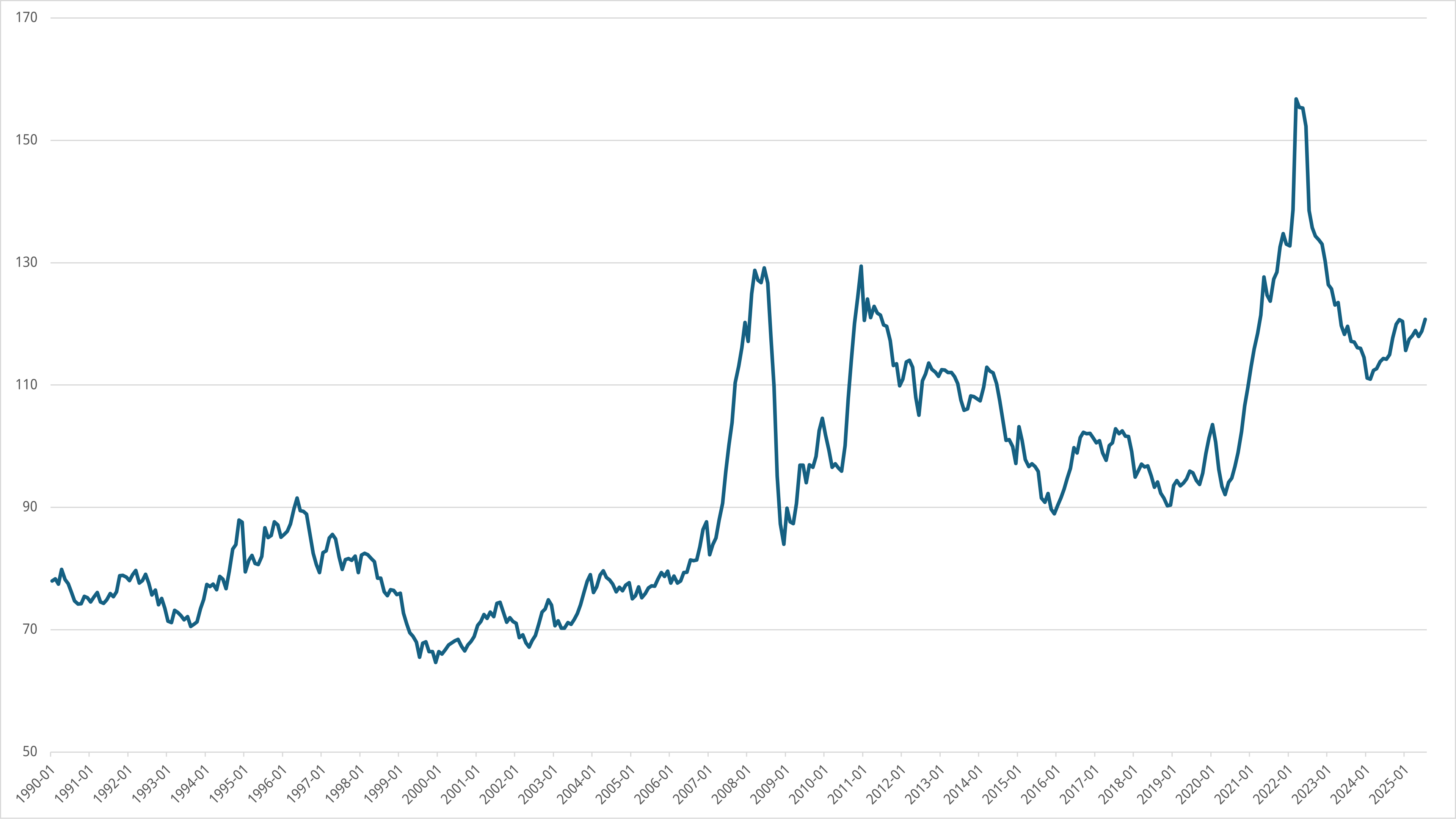
The latest inflation data came amid renewed global commodity price pressures linked to rising geopolitical tensions in the Middle East and disruptions around the Strait of Hormuz. Brent crude oil rose sharply to $120.4 per barrel in April from $103.7 in March, and the FAO Food Price Index increased by 1.6% to 130.7 points, its third consecutive monthly increase. Global food prices for wheat and maize also recorded further increases during the month. Nairametrics
For Nigeria, which imports both wheat and fuel at global market prices with the naira, external commodity shocks translate quickly into domestic food costs. The Federal Government's April 2026 tariff cuts on rice and palm oil are a direct response to this transmission mechanism, though their effect on retail prices takes time to work through the supply chain.
FoodPrices Nigeria tracks verified price data for the commodities driving this inflation across Lagos markets, giving households, traders, and policymakers a ground-level view of what the national statistics mean at the point of sale.