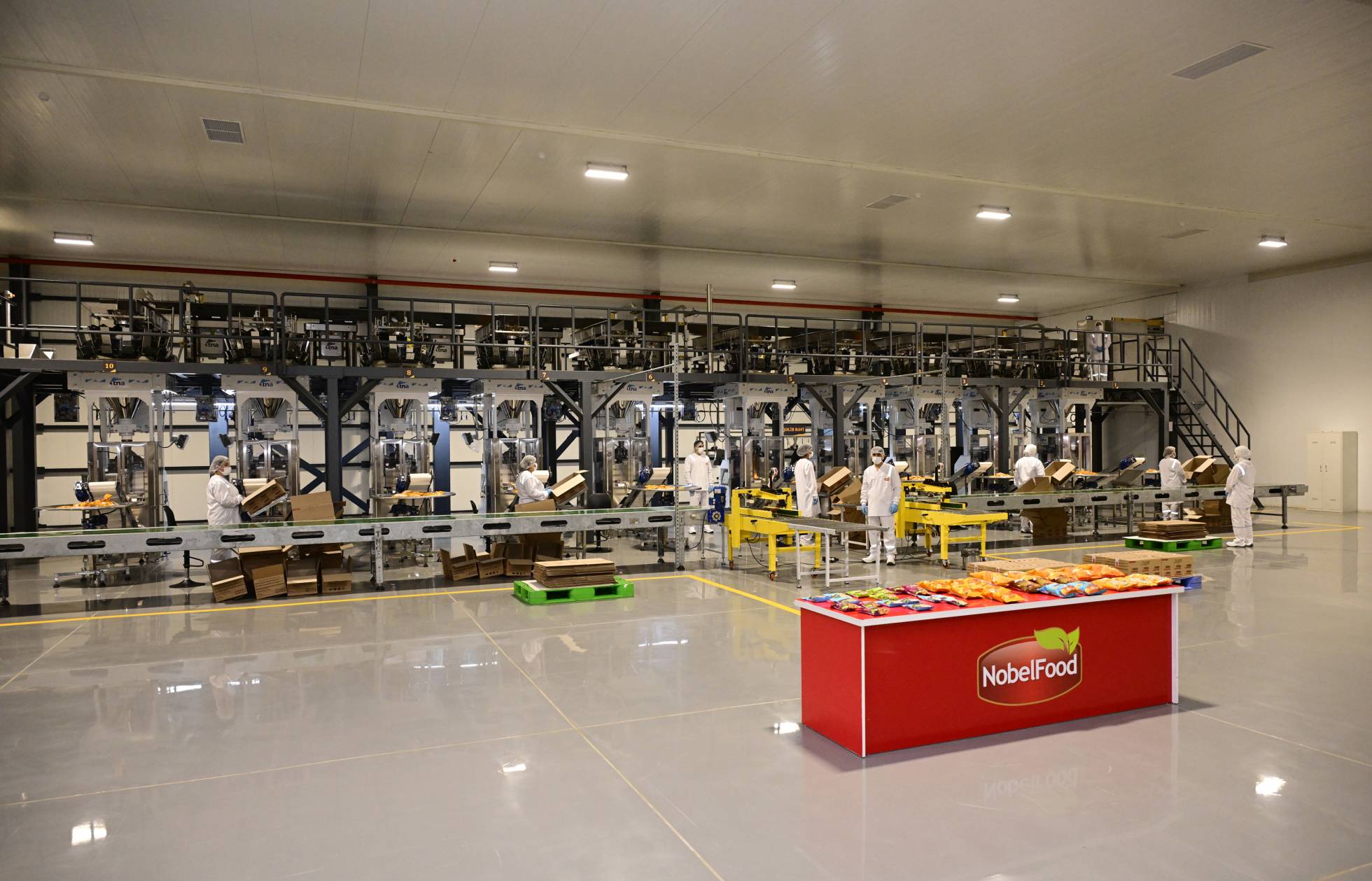
Nigeria's food and beverage sector is attracting increasing international attention, with the country's market projected to reach $233.53 billion in 2025 and growing at an annual rate that outpaces most major economies. The agrofood Nigeria 2026 exhibition returned to Lagos in 2026 to serve as a meeting point for food technology providers, domestic processors, and investors eyeing what one of Africa's fastest-growing food markets has to offer.
The Market Opportunity
The Nigerian food market is growing at an annual rate of 10.76% from 2025 to 2030, a pace that outstrips most major economies and signals one of the largest agrifood investment opportunities anywhere on the African continent. CNBC Africa
Behind these figures lies a structural reality: a population of roughly 238 million in 2025, projected to swell to 411 million by 2050, is generating demand that the current food production and processing infrastructure simply cannot meet. Urbanisation is accelerating and a swelling middle class is shifting consumption patterns toward packaged, branded, and convenience products, placing every link in the value chain under pressure to scale. CNBC Africa
The Trade Deficit
Despite the scale of domestic production, Nigeria remains a major net food importer. Nigeria's food imports still totalled $6.1 billion in 2023, dwarfing food exports of just $2.2 billion, according to the World Trade Organization. This trade deficit is the direct expression of the processing gap: raw agricultural commodities leave farm gates at low value and re-enter the country as finished products at multiples of the original price. CNBC Africa
Where Technology Investment Is Going
Nigeria is the largest importer of food and packaging technologies in West Africa, with imports of food and packaging technology reaching €265 million in 2024 according to VDMA, of which packaging technology alone accounted for €121 million. The demand for processing and packaging infrastructure reflects the structural mismatch between Nigeria's agricultural production base and its consumption patterns. CNBC Africa
Domestic Competition Is Growing
Nigeria's oil palm sector offers a benchmark for what vertically integrated domestic production can achieve. BusinessDay has reported that major players such as Presco and Okomu Oil have consistently posted strong returns, and that oil palm cultivation, processing, and export remain among the country's most profitable agribusiness ventures. Cassava processing, poultry, and rice milling are identified as the next tier of high-return opportunities as domestic demand continues to outpace supply.
FoodPrices Nigeria tracks cooking oil, flour, and processed food prices across Lagos markets. Investment in domestic food processing capacity is one of the structural forces that will determine whether prices at market level stabilise or continue to track the import cost pressures that have driven food inflation over the past two years.