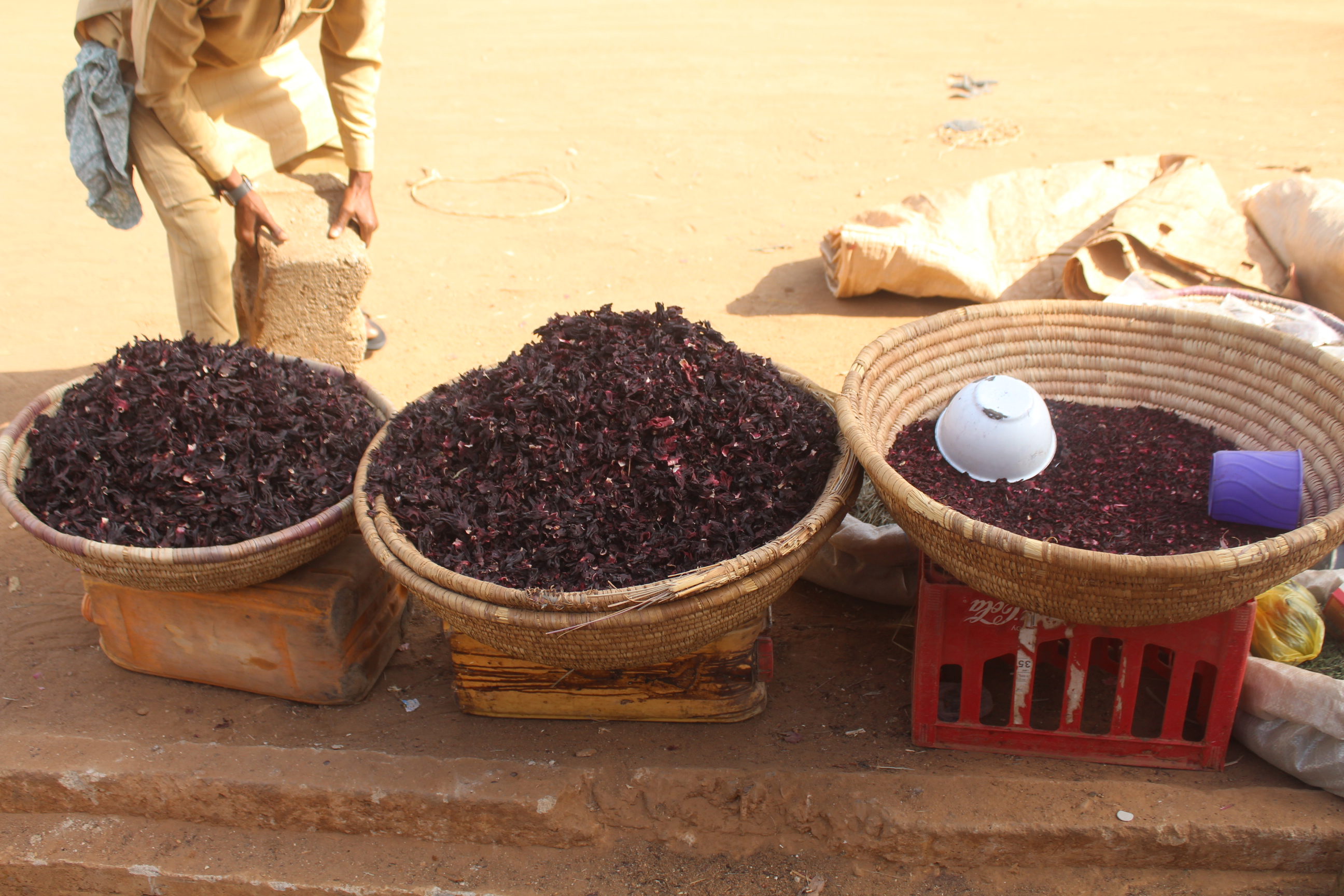
Amid a farm-export basket dominated by cocoa and oilseeds, an unlikely product is quietly earning foreign exchange for Nigeria: flowers. Cut flowers and flower buds, both fresh and dried, generated ₦12.23 billion in the first quarter of 2026, about 1.04 per cent of the country's agricultural export earnings, according to a survey of Nigeria's leading export commodities by Desuperm. It is a modest figure next to cocoa, but a telling one.
A Niche Blooms
Horticultural goods like cut flowers have carved out a niche in Europe and the Middle East, where demand for fresh and dried blooms is steady, according to Desuperm. Their appearance among Nigeria's tracked farm exports is itself notable. Although relatively small compared with mainstream export crops, flower exports provide evidence of growing diversification within the agricultural export basket, according to Nairametrics.
Why the Niche Matters
The value of floriculture is out of proportion to its size. It is labour-intensive and land-efficient, creating jobs in cultivation, grading, packing and cold-chain logistics, and it earns hard currency without drawing down the staple crops Nigerians eat. That matters because the country's farm exports are dangerously concentrated, with just five raw products, led by cocoa, generating nearly 90 per cent of agricultural export earnings in the same quarter, according to Nairametrics. Every new earner that widens the basket reduces the risk of leaning on a single crop.
The Road to Scale
Turning a niche into a genuine industry will take work. Flowers are perishable and quality-sensitive, so scaling exports depends on reliable cold storage, dependable air freight and produce that meets the strict phytosanitary standards of European and Gulf buyers. Nigeria's wider struggle with post-harvest losses and food-safety compliance, the same weaknesses that have dogged its food exports, will shape how far the flower trade can grow. Get those basics right, and floriculture could become a durable, job-rich thread in the country's non-oil export story.
FoodPrices Nigeria tracks verified retail prices across Lagos markets and follows the diversification of Nigerian agriculture, from staples to specialty crops, that shapes rural incomes and the broader food economy.