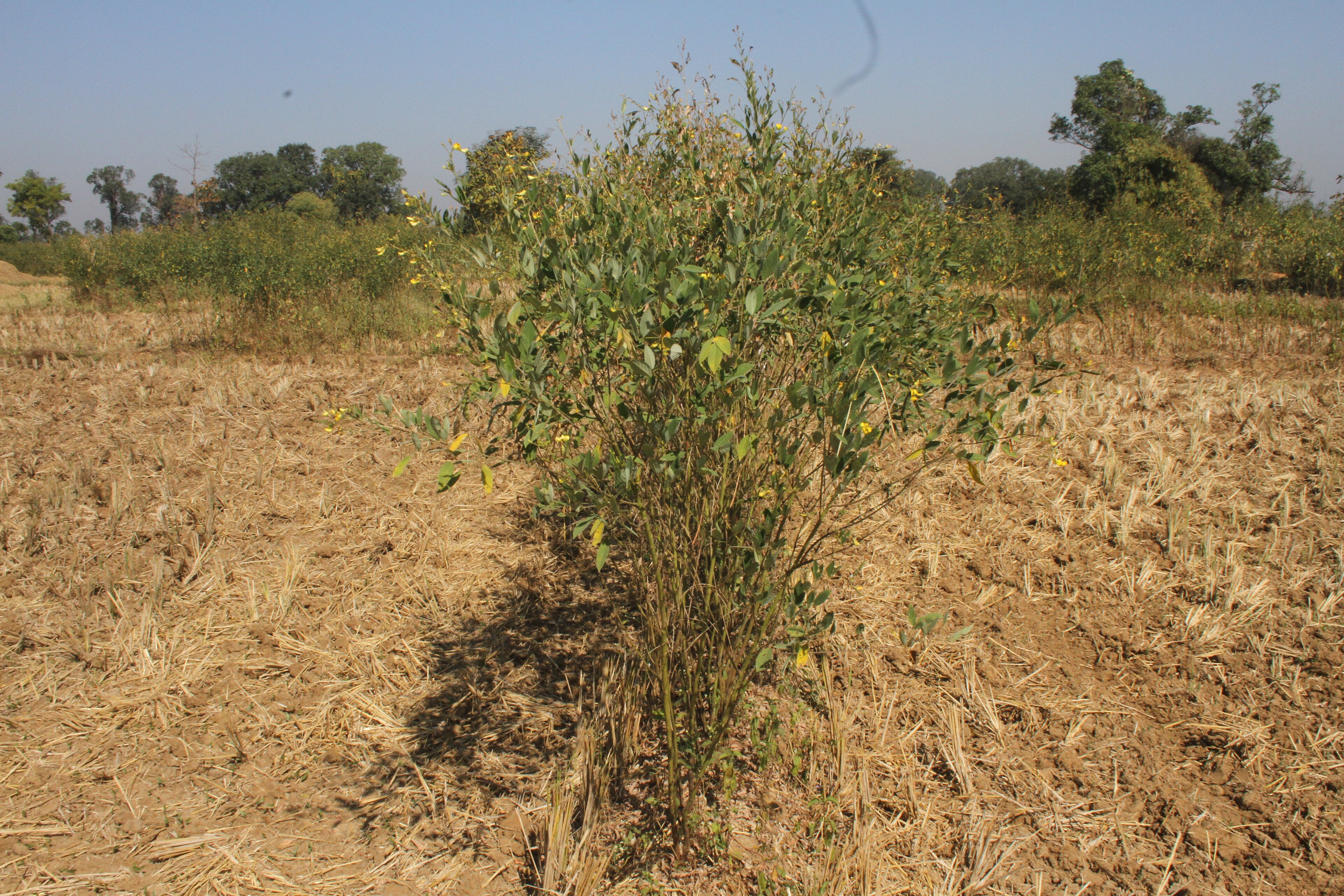
Fio-fio, the humble pigeon pea that anchors a beloved eastern Nigerian delicacy of yam or cocoyam garnished with palm oil and ugba, is quietly turning into a foreign-exchange earner. Nigeria's export value of pigeon peas rose by 886.3 per cent over five years, climbing from $338,683 in 2020 to $3,340,428 in 2023, with India the dominant buyer, according to trade data compiled by Tridge.
A Crop Built for Hard Land
Pigeon pea is exactly the kind of crop Nigeria's drying north needs. It thrives in hot, dry environments, tolerates drought and grows with low inputs on residual moisture, making it valuable for smallholders across the semi-arid tropics, according to a review published on bioRxiv. It is also a nutritional workhorse, rich in protein and fibre, gluten-free and low on the glycaemic index, and increasingly used in products such as pasta, biscuits and noodles, according to Healthful Wonders. Crucially for households, it stays affordable, remaining within reach of most people even when other food prices climb, as the food site The Pretend Chef notes of its role as street food sold with roasted yam.
A Buyer Hungry for More
The pull comes from India, the world's largest consumer and importer of pigeon peas, which at times has drawn in close to 87 per cent of global imports, according to a value-chain study hosted by Michigan State University. Nigeria already ranks among the top ten global exporters of dried pigeon pea, sitting sixth in 2023 behind Myanmar, Tanzania, India, Malawi and Kenya, according to Tridge. That places Nigeria inside a trade worth hundreds of millions of dollars, yet its own volumes remain small next to the leaders.
Grown for the Pot, Not the Market
The gap is one of ambition. Fio-fio is still cultivated largely for home consumption and local sale as achicha and salad rather than as a commercial export crop, even though it is known across the country as otili in Yoruba and aduwa in Hausa, according to a profile on Wikipedia. With India's appetite firm and the crop suited to marginal northern soils, a legume that already feeds millions cheaply could earn far more abroad while easing pressure on the country's stretched protein supply.
FoodPrices Nigeria tracks verified prices for beans and staples across Lagos markets and follows the crops that shape the cost of protein on Nigerian plates. A drought-proof legume with a ready foreign buyer is one of the clearer opportunities hiding in plain sight.