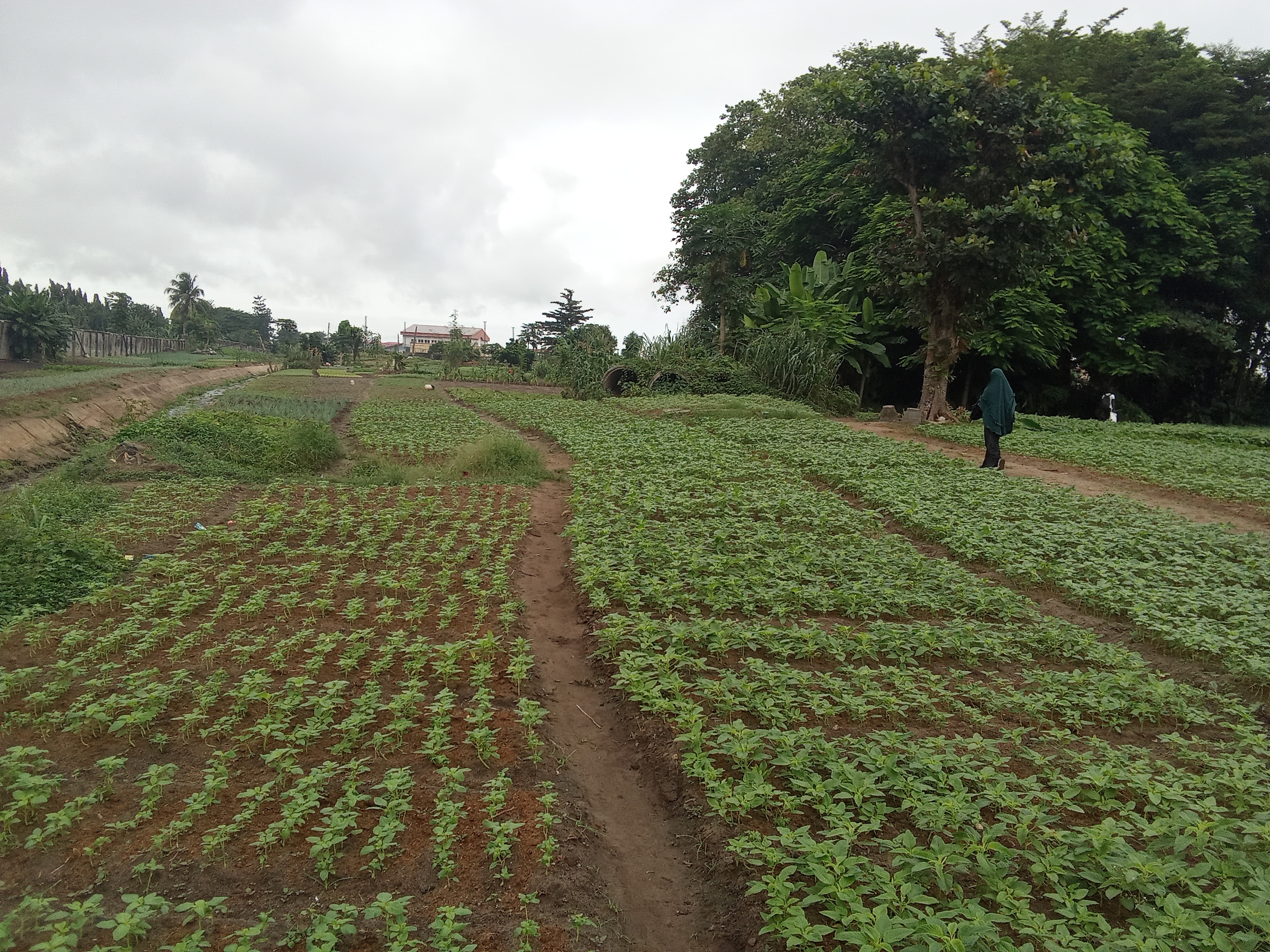
Drones are shifting from curiosities to working tools on Nigerian farms, and their spread could reshape how much farmers spend to grow food and how much they lose to pests. Fitted with multispectral sensors, drones can detect crop stress, pest attacks and moisture shortages before any symptoms are visible to the eye, allowing farmers to act early and prevent the losses that eat into harvests and incomes, an expert told Premium Times' Gazette.
Precision Instead of Guesswork
The core promise is precision. Rather than treating whole fields, drone-assisted spot spraying applies pesticides and treatments only where they are needed, cutting chemical use while protecting nearby vegetation and water, according to the Gazette, which paired the case for drones with digital soil mapping that identifies acidity and nutrient gaps so fertiliser goes only where the land actually needs it. Analysts tracking the market say drone technology could lower farmers' operational costs by roughly a quarter and lift productivity by up to 30 per cent, according to Ken Research, which noted that the National Agricultural Technology and Innovation Policy now promotes standards for the safe use of agricultural drones and digital tools.
Home-Grown Operators
The services are increasingly local. Integrated Aerial Precision, a Nigerian firm, has rolled out pay-as-you-go drone spraying to make the technology affordable for smallholders and commercial farms alike, begun assembling drones tuned for Nigerian dust and humidity, and partnered with the global manufacturer DJI to bring its Agras spraying models onto Nigerian fields, according to the company's account of its growth. An early demonstration that went viral showed a drone spraying oil palm with insecticide and fungicide, a glimpse of how quickly the picture of African farming is changing, as TRT Afrika reported. Other operators say a single drone can survey hundreds of hectares in hours across states such as Benue, Kaduna, Ogun and Cross River, work that would take days on foot, according to African Land.
A Wider Digital Shift
Drones are one part of a broader move toward data-driven farming. The rise of spray drones capable of applying inputs with centimetre-level precision is one of the defining agritech trends of 2026, reducing chemical runoff and protecting farmers' health while working far faster than manual knapsack spraying, according to CropSense. The training that comes with the tools matters too, with firms launching youth and women focused programmes to turn a new generation into drone pilots and data analysts, according to Integrated Aerial Precision.
Lower input costs and fewer pest losses eventually feed through to supply and price. FoodPrices Nigeria tracks verified retail prices across Lagos markets and follows the tools that could make growing food cheaper and more reliable.