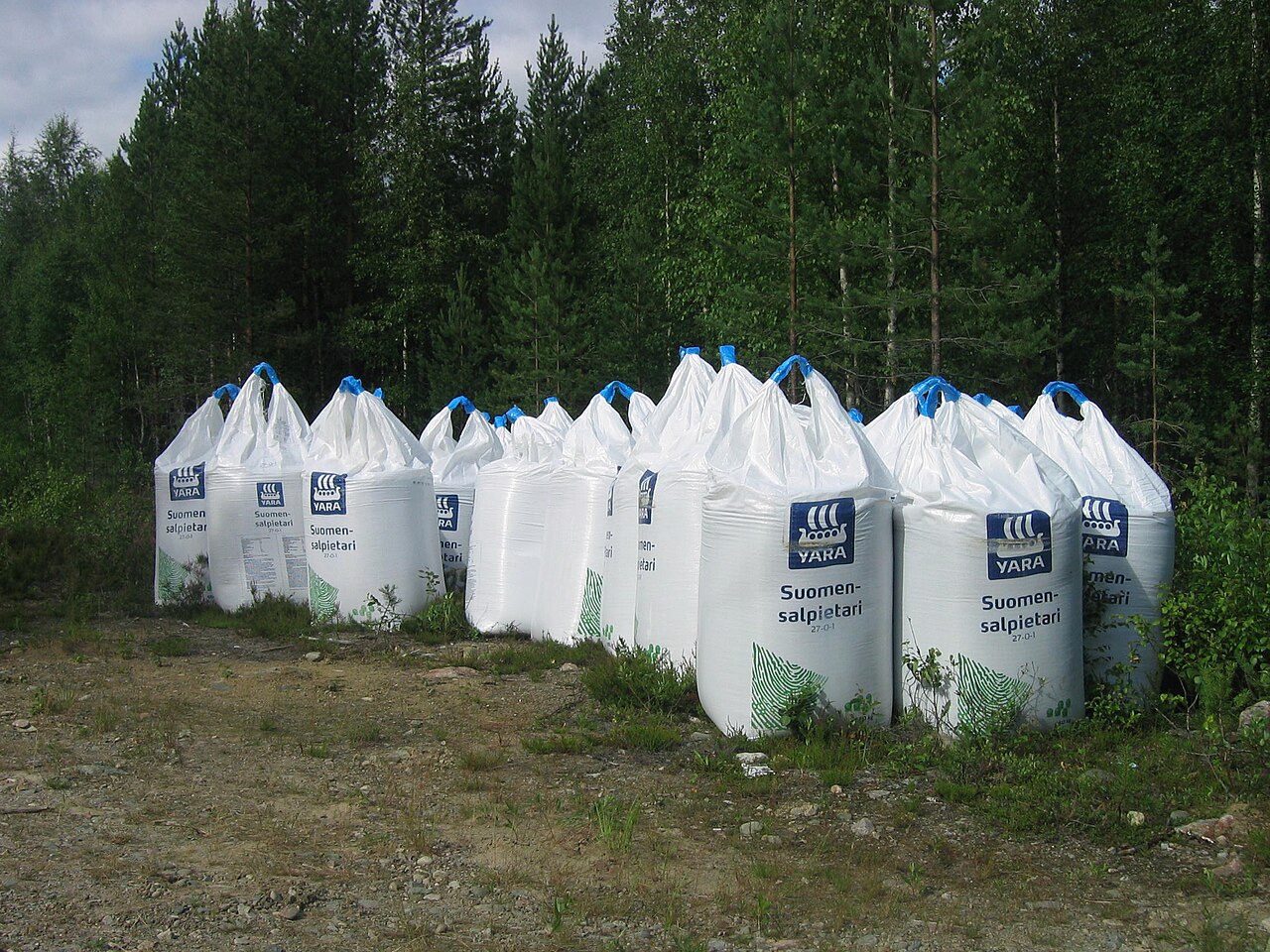
Nigerian farms are running on a fraction of the fertiliser they need. A Vanguard editorial published on 25 September 2026 put national consumption at 18.6kg per hectare, citing the Federal Ministry of Agriculture and Food Security. That is 37.2% of the 50kg per hectare benchmark Nigeria committed to under the 2006 Abuja Declaration, leaving a gap of 31.4kg on every hectare.
The Numbers Do Not Agree, but None Are Close
Estimates vary by source. The Fertiliser Producers and Suppliers Association of Nigeria put usage at 24kg per hectare in March 2026, still less than half the target. Vanguard also cited FAO-based figures showing a steep slide from 22.6kg per hectare in 2020 to 18.0kg in 2021, 7.3kg in 2022 and 4.2kg in 2023. Whichever figure is used, Nigerian soil is receiving far less than the level agreed nearly two decades ago.
Why Farmers Use So Little
The editorial named four obstacles: cost, delays in distribution, weak extension services, and insecurity across food-producing zones in the North-East, North-West and North-Central. It linked the shortfall to hunger, noting that about 36.3 million people faced crisis-level food insecurity during the June to August 2026 lean season, and that more than 3.7 million people were internally displaced by August 2026.
Fertiliser Is a Third of the Cost of Rice
The cost burden is clearest in rice. At a technical consultation on the rice value chain held on 23 September 2026, Marion Moon, Executive Secretary of the Presidential Food Systems Coordinating Unit, put rice production costs at about ₦2.2 million to ₦2.3 million per hectare, with fertiliser accounting for approximately 35% of the total, as Legit.ng reported. That puts fertiliser spending at roughly ₦770,000 to ₦805,000 on a single hectare.
Participants also pointed to high energy and irrigation costs, limited access to long-term finance, post-harvest losses, poor storage and logistics costs. Mohammed Auwalu, Vice-President of the Rice Farmers Association of Nigeria, welcomed the consultation and backed closer coordination across the industry.
The Trade-Off Farmers Face
The two findings describe the same bind. Fertiliser is expensive enough to take a third of a rice farmer's budget, so farmers apply less of it. Applying less keeps yields low, which keeps output per hectare down and the cost of each bag of grain high.
FoodPrices Nigeria tracks grain prices across Lagos markets, where the cost of what happens on northern farms eventually shows up on the price tag.
#FoodPrices, #Lagos, #Nigeria, #Fertiliser, #Farming, #RiceFarming, #FoodSecurity