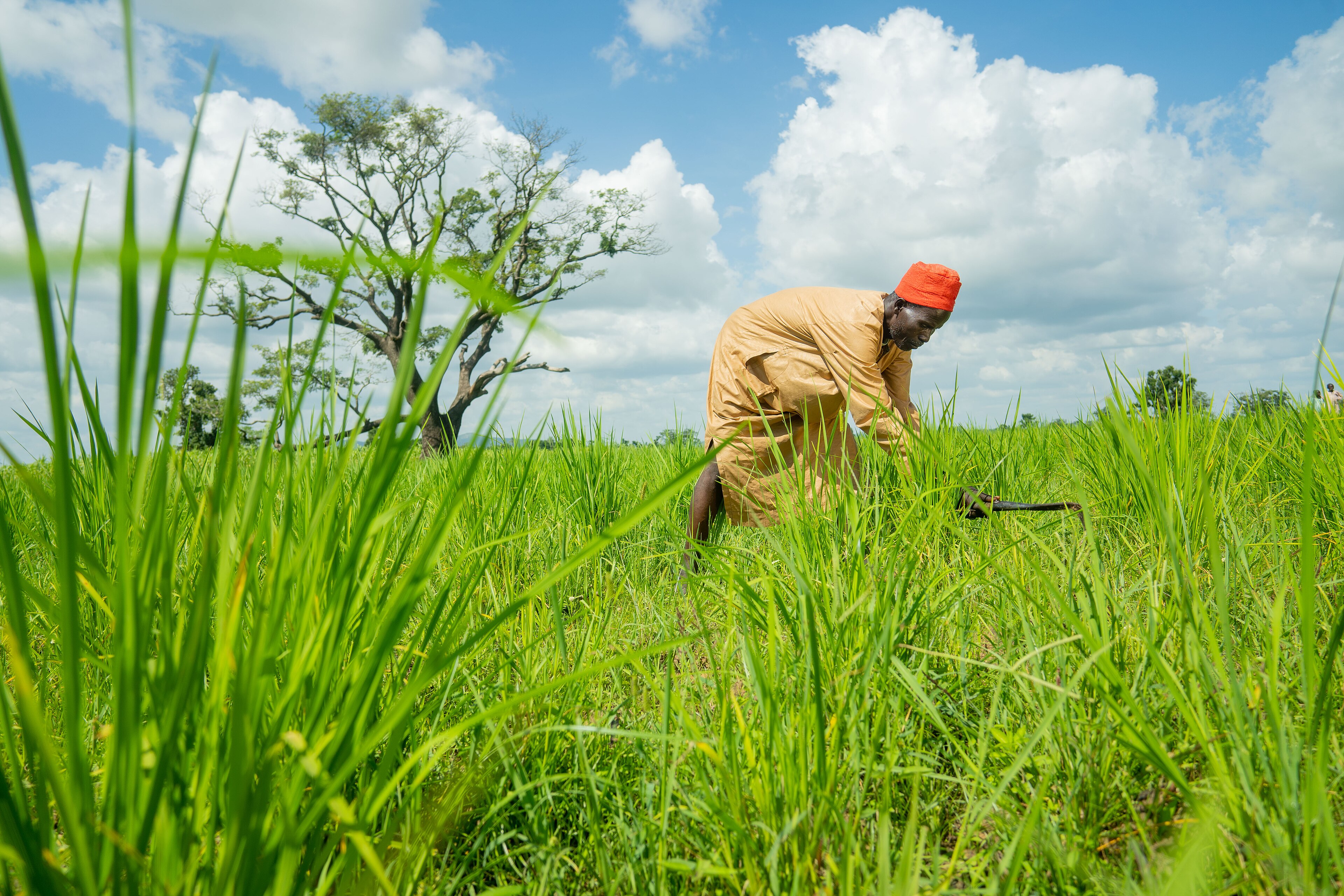
Nigeria's push to earn more from farming beyond crude oil is real, but it rests on a worryingly narrow base. In the first quarter of 2026, just five products generated nearly 90 per cent of the country's agricultural export earnings, according to Nairametrics. The five leaders, superior quality cocoa beans, sesame seeds, soya beans, cashew nuts in shell and soybean meal, together brought in roughly ₦1.05 trillion, a concentration the outlet warned leaves the sector vulnerable to commodity price swings and supply shocks.
Cocoa Above All
One crop towers over the rest. Superior quality cocoa beans alone generated ₦596.9 billion, about 51 per cent of all agricultural export earnings in the quarter, and once cocoa butter, standard beans and roasted beans are added, cocoa-related products contributed more than ₦643 billion, according to Nairametrics. Europe drove much of that demand, with the Netherlands and Belgium consuming over half of the shipments, the same report noted, underscoring how a single commodity sold to a handful of buyers shapes the country's farm-trade fortunes.
Sesame, Soya and Cashew
The next tier tells a similar story of raw exports. Sesame held its place as Nigeria's second-largest agricultural export, kept firm by demand from crushing plants in China and Japan, while raw soya beans flowed heavily to South Asia, with India taking about 88 per cent of the quarter's shipments, according to Nairametrics. Cashew nuts in shell and soybean meal rounded out the top five, with the meal reflecting at least some value addition beyond raw commodities.
The Concentration Risk
The deeper problem is what these numbers say about the wider food economy. Nigeria remains a net food importer by a wide margin, having shipped in ₦16 trillion of food against ₦7 trillion in food exports between 2021 and 2024, a deficit equal to about 3 per cent of agricultural output, according to the Food and Agriculture Organisation. Food exports made up only 2.8 per cent of total exports in 2022, compared with nearly 90 per cent from crude oil and gas, the same source noted, a reminder that agriculture's export story is still thin and lopsided.
The Case for Value Addition
Diversification and processing are the obvious answers. Export promoters have been pushing farmers and firms toward value-added goods, such as refined shea butter rather than raw nuts, and toward newer earners like ginger, hibiscus and horticultural products that widen the basket, according to a survey of the country's leading export commodities by Desuperm. Turning more cocoa into butter and powder, and more beans and seeds into oils and meals, would keep both value and jobs at home.
Every naira added at home before a crop leaves the port is income that stays in Nigeria and a buffer against global price swings. FoodPrices Nigeria tracks verified retail prices across Lagos markets and follows the export and processing shifts that ultimately shape what farmers earn and what households pay.