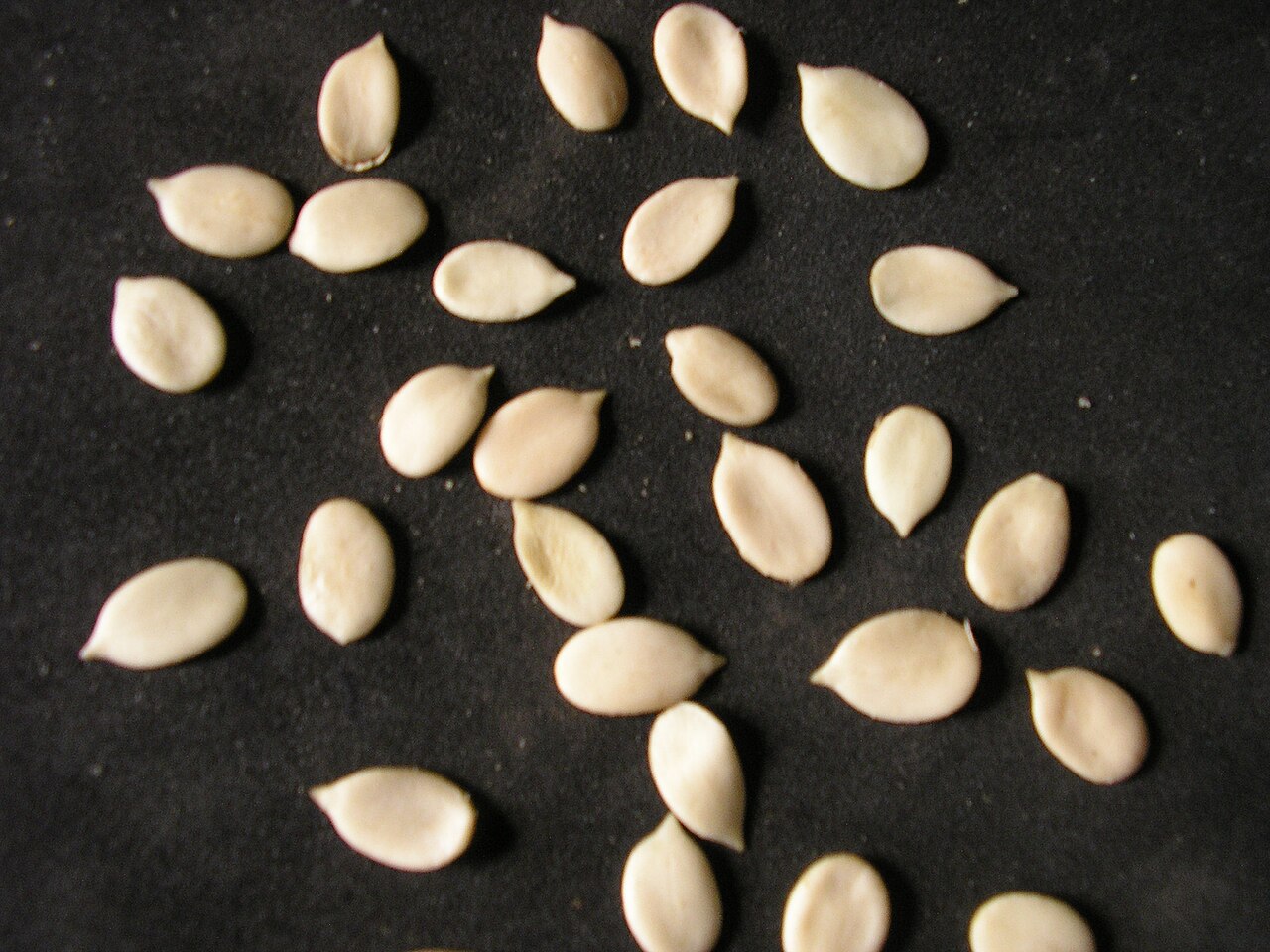
Egusi, the ground melon seed that thickens one of Nigeria's most beloved soups, is quietly becoming one of the country's most lucrative crops, yet Nigeria still cannot grow enough of it to feed itself. The country produces about 573,000 metric tonnes of melon a year against local demand of roughly 1.039 million tonnes, leaving a supply gap of about 466,000 tonnes, according to BusinessDay, citing data from Tridge and Foraminifera Market Research.
A Multi-Billion-Naira Crop
The numbers behind egusi are striking. With the commodity selling at about ₦1.3 million per tonne in late October 2025, Nigeria's annual melon output was valued at roughly ₦744 billion, or about $495 million, according to Fresh Plaza. Nigeria accounts for around 65 per cent of West Africa's melon production, with cultivation concentrated in Enugu, Benue, Nasarawa, Taraba, Kogi, Niger and Kaduna states, according to Finelib. As prices of staples such as maize and rice fluctuate with import surges and seasonal gluts, many farmers are turning to melon as a profitable alternative, BusinessDay reported.
Done Almost Entirely by Hand
The biggest brake on output is the near-total absence of machinery. About 98 per cent of melon cultivation, harvesting and processing in Nigeria is still done manually because no modern technology has proven efficient for the crop, David Nkwa, chief executive of agro-investment firm DNfood Global Limited, told BusinessDay. That manual bottleneck keeps yields low and labour costs high even though melon has a short three to four month cycle and modest startup costs, making it attractive to younger growers, according to Fresh Plaza. The same report noted that the National Agricultural Seeds Council is investing in high-yield varieties and improved storage to lift productivity.
An Export Prize Left on the Table
Beyond the domestic gap lies a substantial export opportunity. Nigerian communities abroad, along with hotels and eateries in the United States, the United Kingdom and Canada, maintain steady demand for egusi, creating a ready international market, according to Leadership, which noted that exporters must ship well-packaged whole seeds and secure approvals from the National Agency for Food and Drug Administration and Control and the Standards Organisation of Nigeria. Most exports still occur informally and local processing remains underdeveloped, BusinessDay reported, while market data compiled by Tridge show egusi-type seeds trading in a global market where value is captured mostly by those who process and package.
Egusi soup is a staple across Nigerian homes, and the cost of a single pot rises with every naira added to the seed. FoodPrices Nigeria tracks verified retail prices across Lagos markets, where the gap between what Nigeria grows and what it eats is felt one measure of egusi at a time.
#Egusi, #MelonSeed, #FoodSecurity, #AgroProcessing, #Nigeria, #Lagos, #FoodPrices, #Agriculture, #ValueAddition, #Farmers