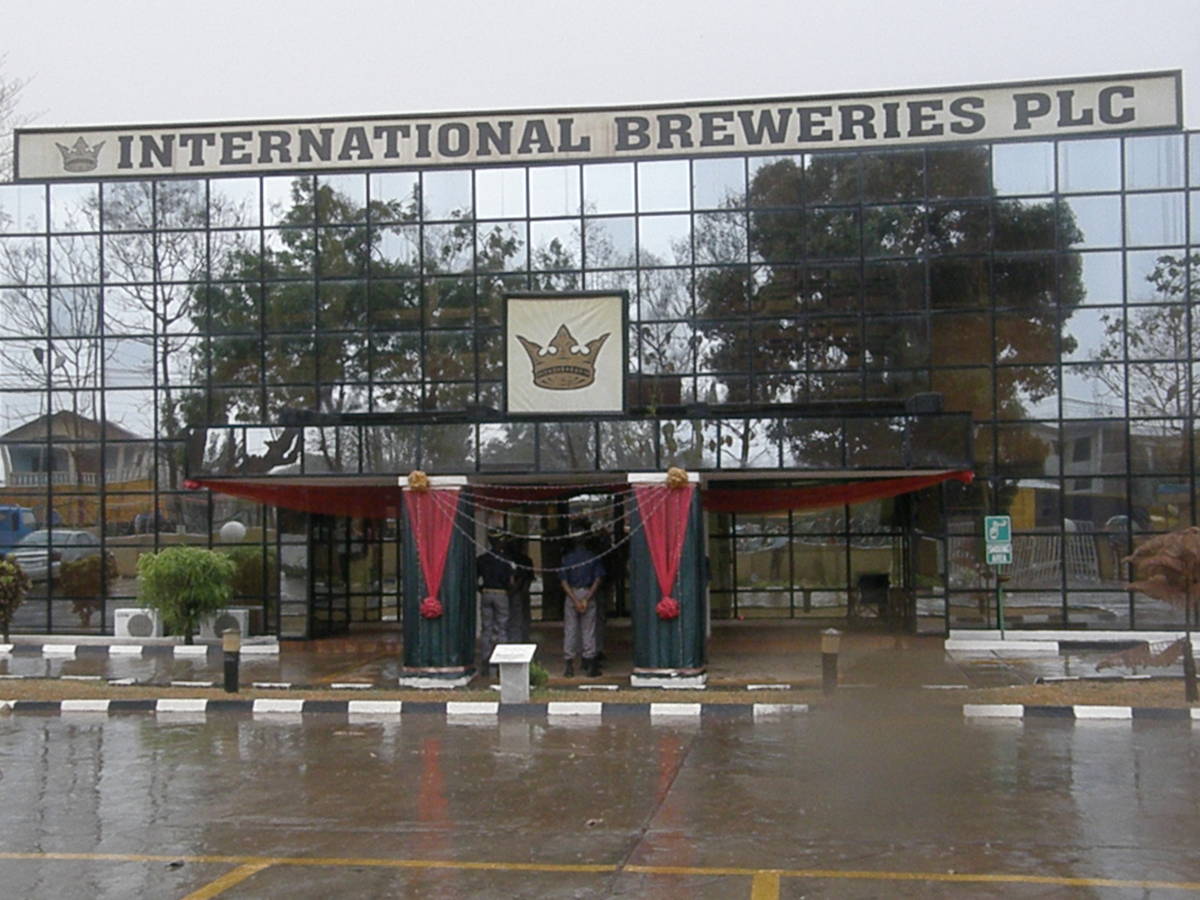
Nigeria's largest beer maker, Nigerian Breweries, has shown that barley, a crop it has long imported, can be grown commercially on Nigerian soil, in a move aimed at cutting a heavy import bill and building a local supply chain. At a barley field day in Ringim, Jigawa State, the company said more than 1,000 smallholder farmers cultivated barley under its Maltina Barley Programme this season, producing an expected yield of just over 1,000 tonnes, according to BusinessDay.
The Import Bill It Wants to Cut
Nigeria's brewing industry imports about 200,000 tonnes of malted barley each year, sending more than $150 million abroad, BusinessDay reported. The pilot builds on several years of research with the Lake Chad Research Institute and the French plant breeder Secobra Research, which developed barley varieties suited to the agro-climatic conditions of northern Nigeria, according to Ecofin Agency.
Room to Scale, but Hurdles Remain
A joint study with IDH and Dalberg identified more than 400,000 hectares of farmland suitable for barley across Jigawa, Bauchi, Kano, Plateau and Yobe states, and the programme has secured £330,000 in climate-smart agriculture funding from the UK-backed Propcom+ initiative for the 2026 season, according to MSME Africa. The company plans to integrate about 20,000 farmers into the barley value chain by 2030, but has stressed that large-scale production will require sustained investment in irrigation and mechanisation, as it set out on its own account of the field day.
Every tonne of raw material grown at home is money that stays in the local economy and a buffer against currency swings on imports. FoodPrices Nigeria tracks verified prices for grains and staples across Lagos markets, where a stronger domestic supply base helps steady the wider food system.
#Barley #NigerianBreweries #ImportSubstitution #SmallholderFarmers #Agribusiness #Lagos #FoodPrices #Nigeria #Agriculture #Jigawa