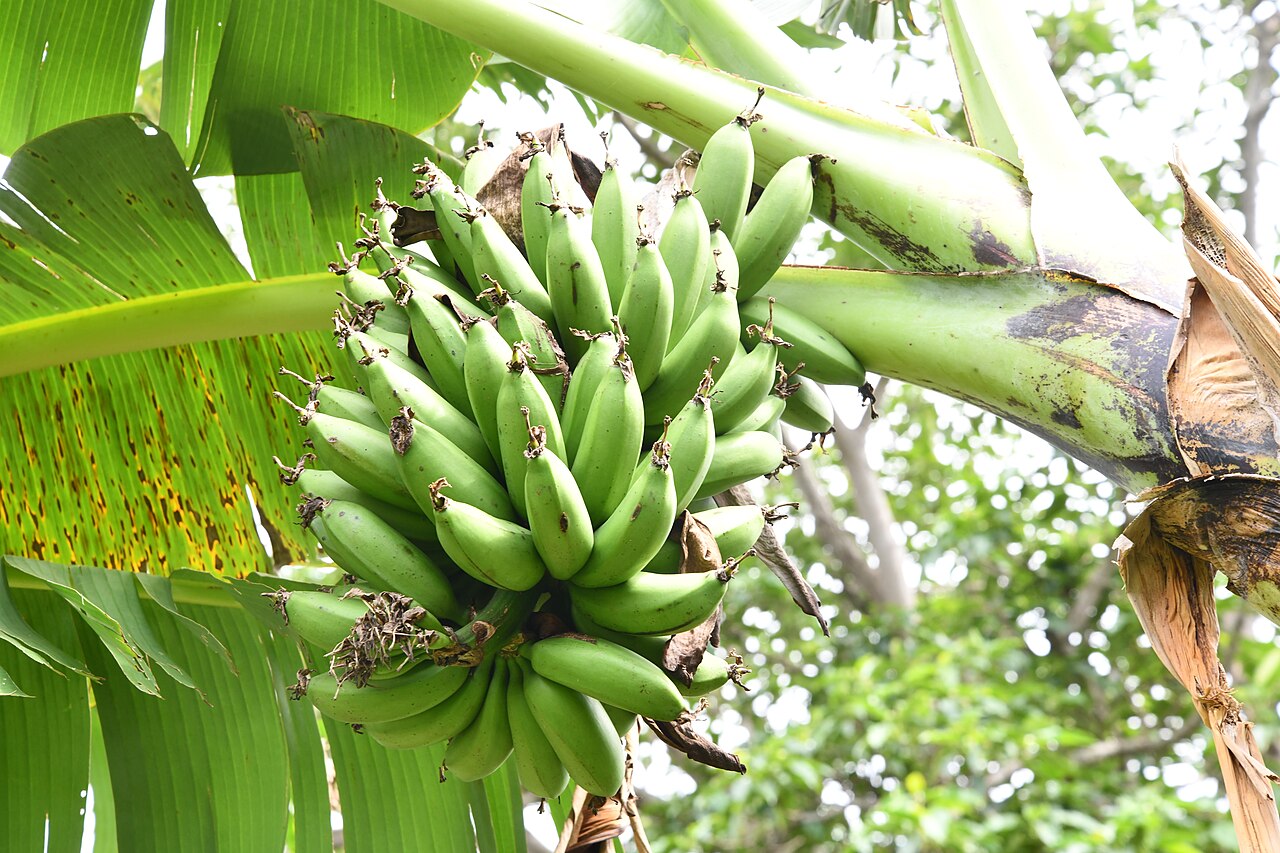
Nigeria grows bananas by the millions of tonnes, ranks among the biggest producers on earth, and yet earns almost nothing from selling them abroad. Nigeria is the world's fourth-largest banana producer, turning out 7 to 8 million tonnes of bananas and plantains a year, mostly for domestic consumption, according to MSME Africa. In 2022 the country produced about 8 million tonnes of bananas, more per person than major exporters like Brazil, despite exporting very little, according to World Population Review.
A Giant That Barely Exports
The export numbers are strikingly small. Nigeria sold only about $45,000 worth of bananas and plantains to the United Kingdom in a recent year, while Cameroon recorded a 15 per cent rise in banana exports to the same market, earning close to €10 million, according to MSME Africa. The pattern is regional, with African producers largely focused on meeting domestic demand rather than export markets, unlike the export-oriented growers of Latin America, according to Wikifarmer.
The Yield and Import Gap
Behind the weak exports sits a productivity problem. Nigeria produced about 2.74 million tonnes of dessert bananas in 2021, ranking 15th globally, yet domestic demand outstrips supply by more than 650,000 tonnes a year, a shortfall filled through imports, according to SME Guide. Average farm-level yields sit around 5 tonnes per hectare, far below global benchmarks above 60, held back by sub-optimal agronomy, low mechanisation and high post-harvest losses, with cultivation concentrated in Ondo, Osun, Oyo, Edo and Kwara states, the same guide noted.
Value Waiting in the Bunch
Experts say the fix lies in quality, cold storage and processing. A rising global banana market and a recent supply crisis triggered by climate change and plant disease have opened a window for Nigeria, but its fresh-fruit exports remain weak and uncompetitive, according to MSME Africa. Stakeholders point to value-added products such as chips, flour, puree and dried bananas that could serve domestic, snack and diaspora demand if quality control and cold-chain infrastructure improve, the same report noted.
A banana sector that processes more and wastes less would steady farmer incomes and trim the imports that leak foreign exchange. FoodPrices Nigeria tracks verified retail prices across Lagos markets and follows the fruit and processing gaps that shape what households pay and what the country earns.
#Banana, #Fruit, #NonOilExports, #ColdChain, #Nigeria, #Lagos, #FoodPrices, #Agriculture, #ValueAddition, #PostHarvestLoss