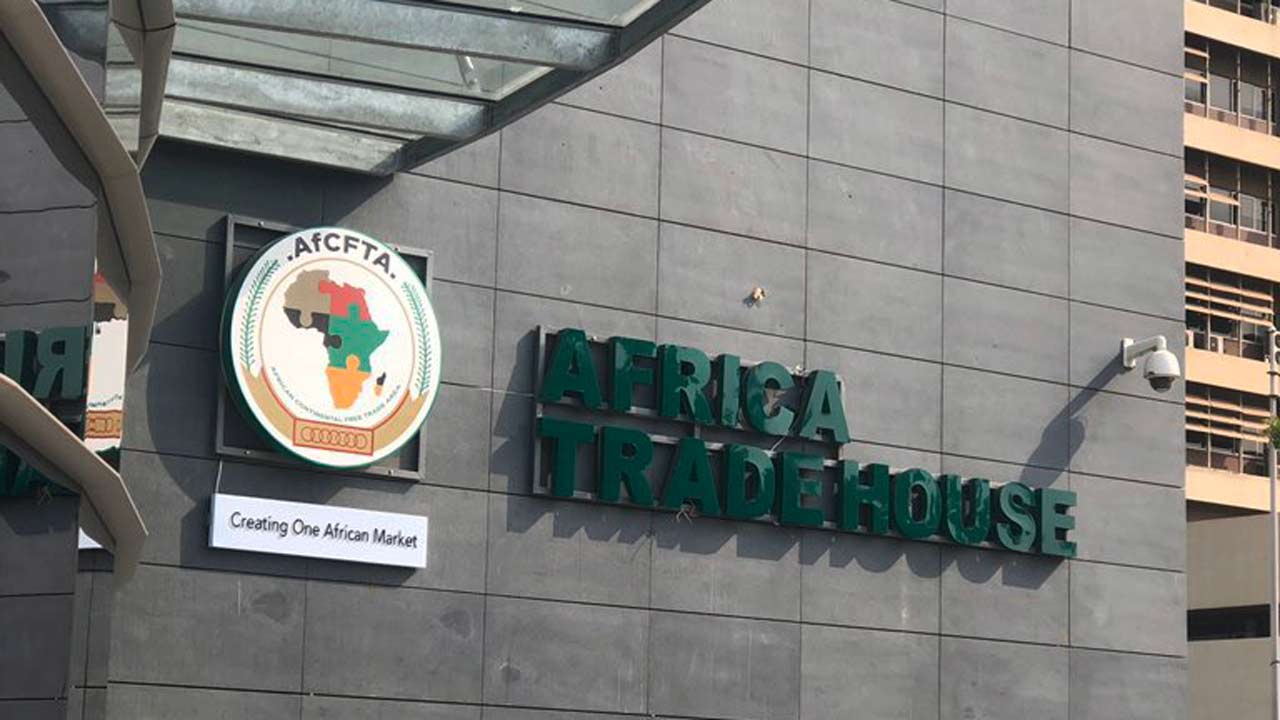
Nigeria is selling more food and farm goods to the rest of Africa, and the government wants to move even more of it by tearing down the barriers that slow trade across borders. Nigeria's trade with the continent rose from $7.47 billion in 2024 to $9.02 billion in 2025, a jump of about 21 per cent, according to the Afreximbank African Trade Report 2026 cited by allAfrica.
A Diversifying Export Basket
Crude oil still dominates what Nigeria sells to African markets, but the mix is broadening. The country's export basket increasingly includes processed agricultural goods and foodstuffs, alongside urea, cement, chemicals, plastics and rubber, according to allAfrica. The report credited Nigeria's intensified focus on regional commerce and its use of the African Continental Free Trade Area to lower trade costs and expand markets, helped by the gazetting of the country's provisional schedule of tariff concessions, which lets Nigerian goods qualify for preferential tariffs across member states.
Clearing the Path for Goods
The government is now pressing to remove the frictions that keep trucks and cargo stuck at borders. The Minister of Industry, Trade and Investment, Dr Jumoke Oduwole, said trade cannot thrive where entrepreneurs and investors face movement restrictions, and that easier movement of people, goods and investment is crucial to unlocking the free trade area, according to Punch. Speaking after the Biashara Afrika 2026 Forum in Togo, she said several African countries had already introduced reforms making it easier for Nigerian business travellers to reach their markets, and pointed to work on customs cooperation, digital trade facilitation and better logistics, according to MSME Africa and APAnews.
Cheaper Freight, Wider Reach
Logistics gains are already showing up. A subsidised air-cargo corridor linking Nigeria to East and Southern African markets, set up through partnerships involving Uganda Airlines and the United Nations Development Programme, reportedly cut freight rates by between 50 and 75 per cent, improving access for exporters, according to Vanguard. Nigeria, the incoming chair of the AfCFTA Council of Ministers, has urged its own states to mobilise manufacturers and exporters to seize the opportunities, according to the News Agency of Nigeria.
Freer, cheaper regional trade cuts both ways, opening new buyers for Nigerian food and new sources of supply when local harvests fall short. FoodPrices Nigeria tracks verified retail prices across Lagos markets and follows the trade shifts that shape what fills the shelves and at what cost.
#AfCFTA, #Trade, #NonOilExports, #FoodExports, #Nigeria, #Lagos, #FoodPrices, #Agriculture, #Africa, #Investment