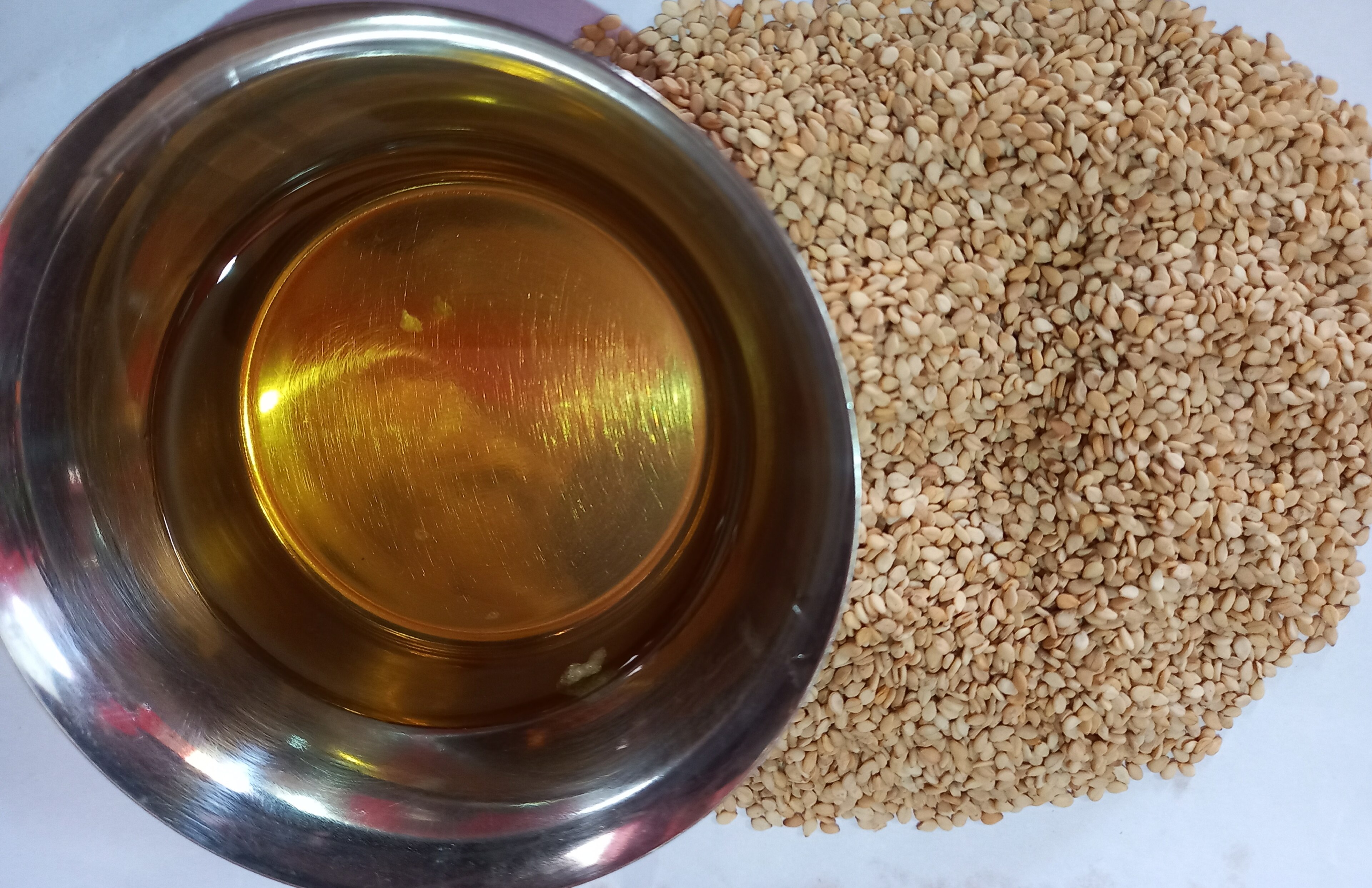
Nigeria ranks among the worlNigeria ranks among the world's leading sesame producers, yet it still sells most of its crop abroad as raw seed and captures little of the value that processing would add. Export promoters are now trying to change that, with the Nigerian Export Promotion Council running farmer training in Benue State on post-harvest handling and export readiness, according to the Federal Ministry of Information and National Orientation.
A High-Value Crop Sold Cheap
Sesame is one of Nigeria's most valuable export commodities, with global production standing at roughly 3.3 million metric tonnes a year, led by China and India, the Ministry reported from an expert presentation in Makurdi. Nigeria remains a top producer and exporter, with major hubs in Nasarawa, Jigawa and Benue alongside Yobe, Kano, Katsina, Kogi, Gombe and Plateau. Ernest Adoji of the All Farmers Association of Nigeria used the same forum to urge farmers to move beyond production into processing so they can keep more of the value at home.
Investment Follows the Opportunity
The processing case is starting to attract serious capital. Wilmar International has signed a memorandum with Nigeria to build a crushing complex in Kano, contingent on infrastructure upgrades, while Olam Agri signed an agreement with Kadoya Sesame Mills, the International Fund for Agricultural Development and MC Agri Alliance to help Nigerian smallholder sesame farmers raise productivity, quality and sustainability, according to industry analysis by Mordor Intelligence. The same analysis notes that Africa supplies most of the world's raw sesame yet captures limited downstream value, which is exactly the gap these investments aim to fill.
Turning raw seed into oil, paste and food-grade products keeps jobs and margins in Nigeria and can steady supply of a domestic oil crop. FoodPrices Nigeria tracks verified prices for oils and staples across Lagos markets, where stronger local processing could eventually influence what households pay.d's leading sesame producers, yet it still sells most of its crop abroad as raw seed and captures little of the value that processing would add. Export promoters are now trying to change that, with the Nigerian Export Promotion Council running farmer training in Benue State on post-harvest handling and export readiness, according to the Federal Ministry of Information and National Orientation.
A High-Value Crop Sold Cheap
Sesame is one of Nigeria's most valuable export commodities, with global production standing at roughly 3.3 million metric tonnes a year, led by China and India, the Ministry reported from an expert presentation in Makurdi. Nigeria remains a top producer and exporter, with major hubs in Nasarawa, Jigawa and Benue alongside Yobe, Kano, Katsina, Kogi, Gombe and Plateau. Ernest Adoji of the All Farmers Association of Nigeria used the same forum to urge farmers to move beyond production into processing so they can keep more of the value at home.
Investment Follows the Opportunity
The processing case is starting to attract serious capital. Wilmar International has signed a memorandum with Nigeria to build a crushing complex in Kano, contingent on infrastructure upgrades, while Olam Agri signed an agreement with Kadoya Sesame Mills, the International Fund for Agricultural Development and MC Agri Alliance to help Nigerian smallholder sesame farmers raise productivity, quality and sustainability, according to industry analysis by Mordor Intelligence. The same analysis notes that Africa supplies most of the world's raw sesame yet captures limited downstream value, which is exactly the gap these investments aim to fill.
Turning raw seed into oil, paste and food-grade products keeps jobs and margins in Nigeria and can steady supply of a domestic oil crop. FoodPrices Nigeria tracks verified prices for oils and staples across Lagos markets, where stronger local processing could eventually influence what households pay.