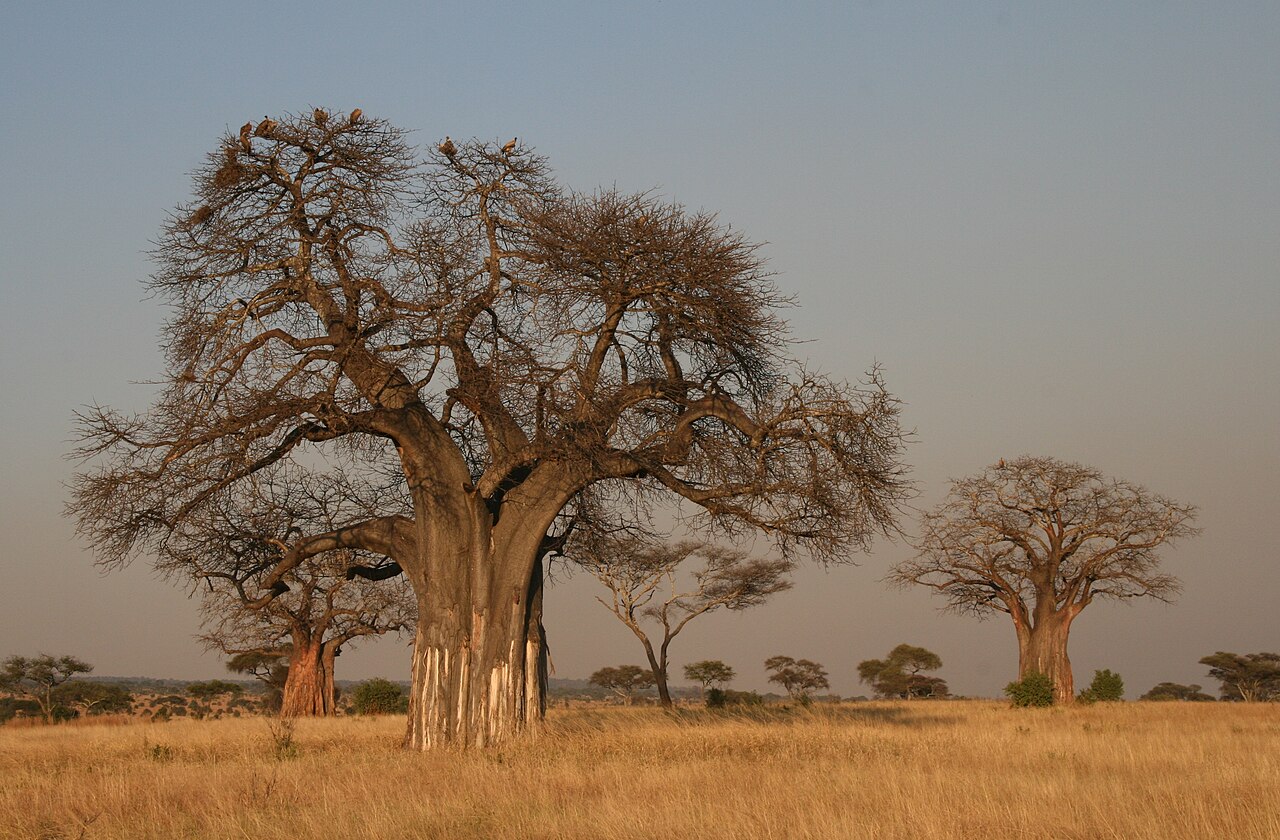
The tart fruit that Nigerians in the north know as kuka has quietly become a global health-food star, yet Nigeria is earning little from the boom. The global baobab powder market was valued at about $5.99 billion in 2026 and is projected to reach $9.29 billion by 2035, with functional foods and dietary supplements driving demand and Europe holding roughly 38 per cent of the market, according to Global Growth Insights. A parallel measure of the baobab ingredient market put its value at about $6.27 billion in 2026, growing at nearly 6.7 per cent a year, according to The Business Research Company.
A Global Superfood Boom
Baobab powder, milled from the naturally dry fruit of the tree often called the tree of life, is rich in vitamin C, fibre, antioxidants and minerals, which is why brands market it as a superfood for immunity and digestion. Demand is climbing fastest in higher-value import markets, and export data show the United States posting a year-on-year jump of about 75 per cent in baobab fruit powder purchases, with market access shaped by food-safety and traceability rules in the European Union and the United States, according to Tridge. Africa is the primary source of the fruit, with Nigeria named among the leading suppliers exporting to international markets, according to Global Growth Insights.
Nigeria's Tree of Life
At home, baobab is far more than an export line. The tree, known as kuka in Hausa, provides one of the most nutrient-rich fruits commonly available in northern Nigeria, its leaves used to make miyan kuka soup and its fruit pulp dissolved in water as a nutritious drink, according to Amkamed. Miyan kuka has been a beloved staple across the north for centuries, rich in vitamin C, calcium, potassium and iron, and has been floated as a dish that could gain United Nations cultural status, according to BusinessDay.
Selling Raw, Earning Little
The problem is the same one that dogs many Nigerian crops. Baobab leaves the country largely as raw or lightly processed powder, a niche botanical ingredient sold into markets where the real margins sit with branded functional foods, supplements and cosmetics, according to Tridge. With organic and clean-label products dominating usage and companies actively promoting baobab as a superfood, the value increasingly lies in processing, formulation and branding rather than in shipping raw pulp, according to Global Growth Insights.
Capturing more of that value would lift incomes for the northern communities that harvest kuka and add another non-oil earner for the country. FoodPrices Nigeria tracks verified retail prices across Lagos markets and follows the indigenous foods whose value Nigeria has yet to fully claim.
#Baobab, #Kuka, #Superfood, #NonOilExports, #Nigeria, #Lagos, #FoodPrices, #ValueAddition, #Agriculture, #Nutrition