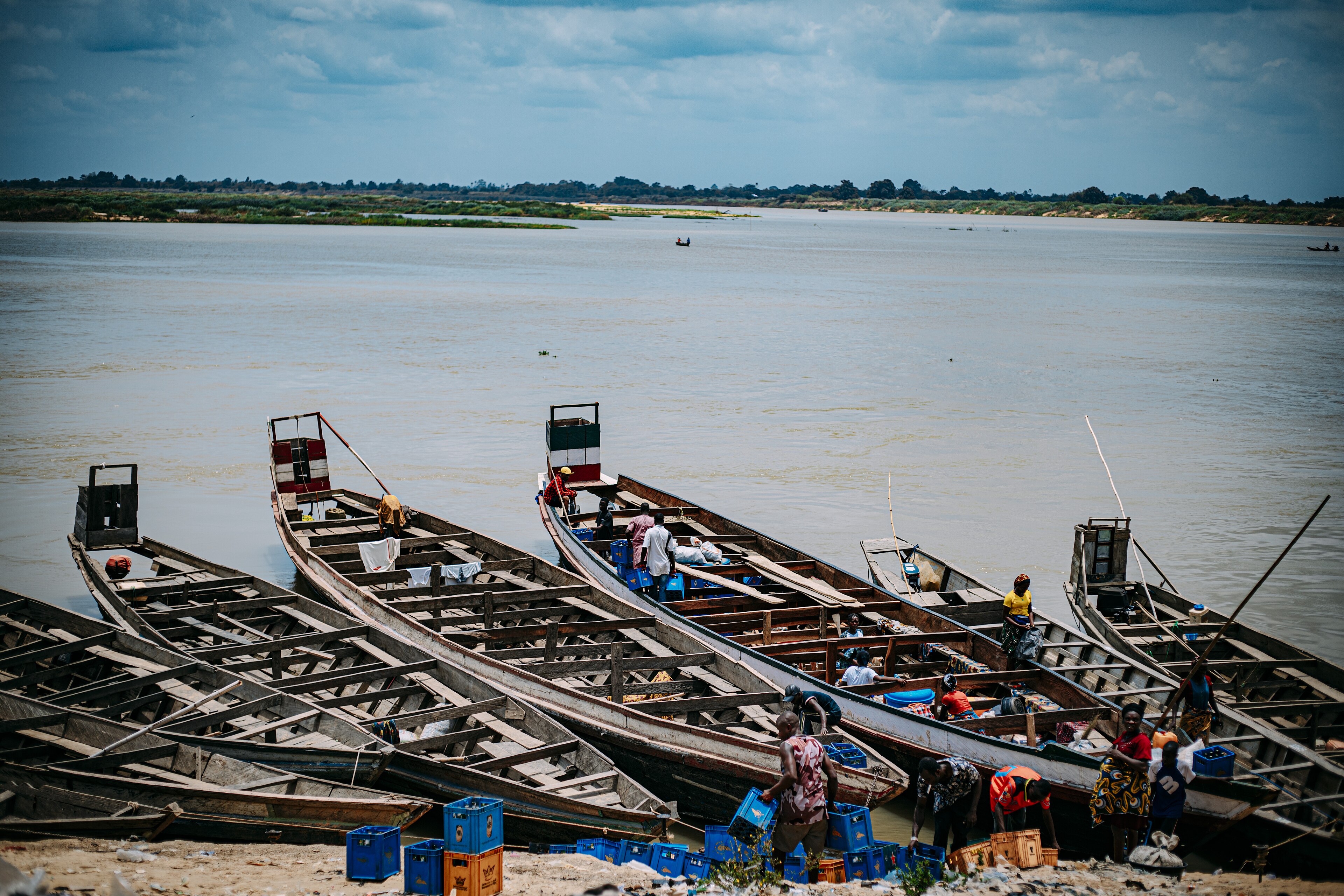
Nigeria is being urged to treat its oceans, rivers and coastlines as farmland, tapping a marine economy that could feed millions and cut a heavy fish import bill. The Federal Ministry of Marine and Blue Economy says the National Policy on Marine and Blue Economy has set a framework for harnessing the country's waters, but that its success depends on coordinated action across all levels of government and far greater investment, according to Zawya.
A Sector Starved of Funds
The scale of the missed opportunity is large. While marine and blue economy activities carry more than 90 per cent of Nigeria's international trade by volume, the ministry's proposed 2026 budget of about ₦10.5 billion falls far short of the roughly ₦72 trillion a year that the National Institute for Policy and Strategic Studies estimates is needed across ports, inland waterways, fisheries and related infrastructure, according to BusinessDay. The same report warned that Nigeria risks losing a $296 billion opportunity to weak funding and policy gaps, even as the sector could generate millions of jobs, lift non-oil exports and strengthen food security. Experts say investment remains far below what is required to turn Nigeria into a leading maritime economy and regional logistics hub.
Where the Food Gains Sit
The clearest food payoff is in fish. Strategic investments in aquaculture, hatcheries, feed production, processing, cold-chain logistics and export infrastructure could reduce imports, conserve foreign exchange, create more than 500,000 jobs and position Nigeria as a leading exporter of fisheries products, the President of Dangote Industries, Aliko Dangote, told a Federal Ministry engagement, according to MMS Plus. The ministry has also moved to widen financing, unveiling plans to work with Jaiz Bank on funding maritime infrastructure, inland waterways, fisheries and aquaculture, according to The Guardian.
Betting on Artisanal Fishers
A national policy push frames fisheries as part of agriculture rather than a separate maritime concern. Under the Programme Framework for the Reform of the Sector aligned with the Comprehensive Africa Agriculture Development Programme, Nigeria aims to end overfishing and illegal fishing through science-based stock management, formalise artisanal fishers with a deliberate focus on women and youth, increase intra-African trade in fish under the African Continental Free Trade Area, and help coastal communities adapt to climate change, according to Business a.m., which valued the global ocean economy at about $2.5 trillion a year with an underlying asset base of at least $24 trillion. Some states are already testing the model, with Bayelsa, the first to create its own marine and blue economy ministry in 2024, breeding catfish fingerlings and juveniles at an operational hatchery in its aquaculture village, according to Zawya.
States and the Ocean-as-Farmland Idea
Coastal states are being pressed to act rather than watch opportunities sail past. Bayelsa has called on states to map their maritime assets, invest in coastal security and build modern fish processing centres and cold-chain facilities that cut post-harvest losses and link local producers to regional and international markets, according to ThisNigeria. Federal officials describe fisheries and aquaculture, alongside coastal tourism and marine biotechnology, as a viable pathway away from oil dependence, according to the News Agency of Nigeria.
Fish is one of the cheapest sources of protein on a Nigerian plate, so whether the blue economy plan attracts real money will eventually show up in the price of fish at the market. FoodPrices Nigeria tracks verified retail prices across Lagos markets and follows the investment decisions that shape the cost of protein for households.