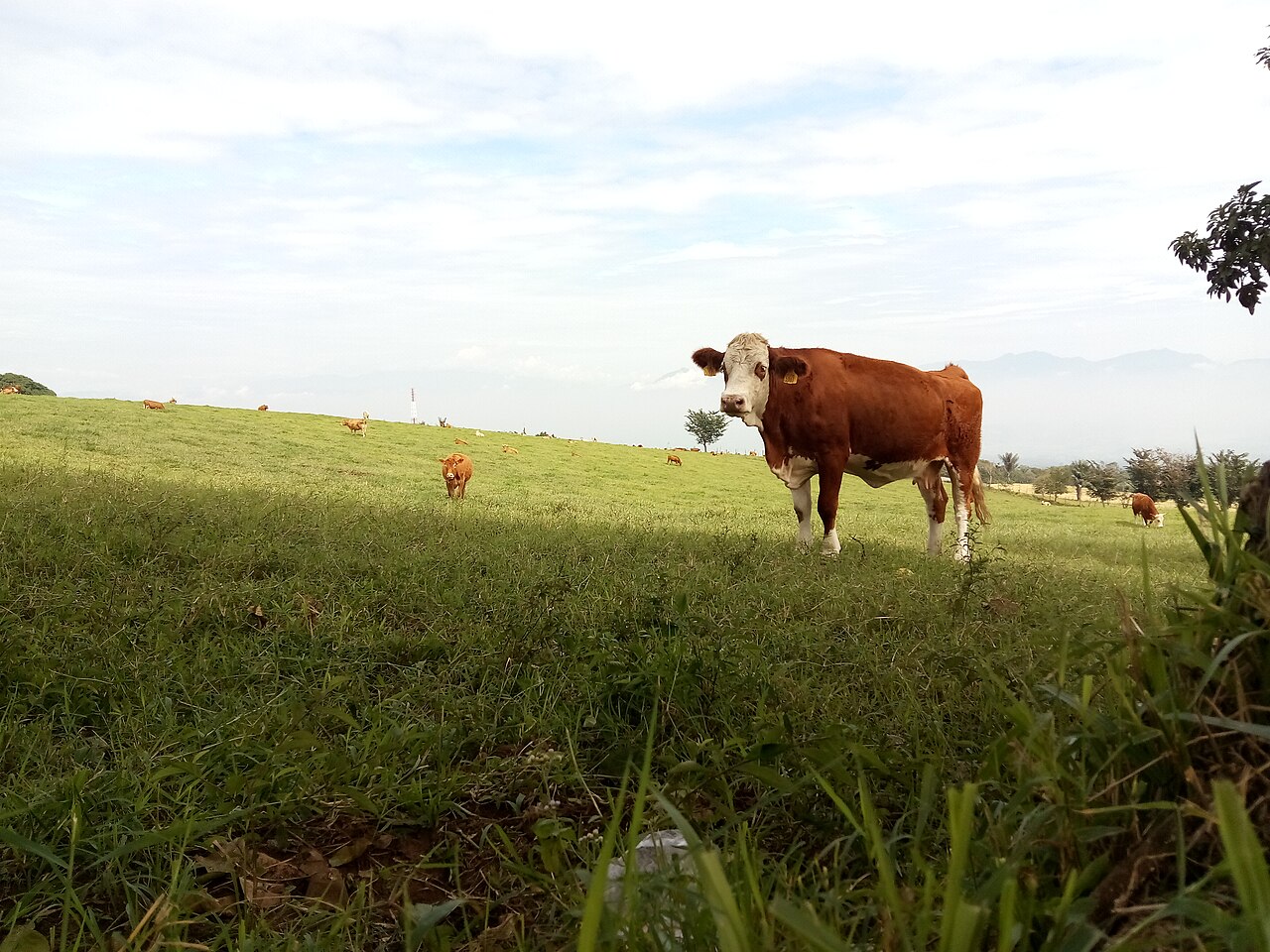
Nigeria is moving to end the open grazing that has fed decades of rural conflict, betting instead on modern ranches to lift livestock output and calm tensions between herders and farmers. The government plans to strengthen cooperation with the French Development Agency to help finance its national ranching policy, an initiative that emerged from a July 10 meeting between the Minister of Livestock Development, Idi Mukhtar Maiha, and a French delegation, according to Ecofin Agency.
From Open Grazing to Ranches
The reform aims to replace mobile pastoralism with managed grazing land, water infrastructure, veterinary services, feed and genetic improvement, and the government has identified 470 legally protected grazing reserves for redevelopment, according to Ecofin Agency. The Minister has separately put the target at 417 grazing reserves to be developed with state governments, urging pastoralists to abandon constant movement in search of pasture and water, according to AgroNigeria. As a flagship, the Federal Ministry of Livestock Development is working with the military to establish a modern ranch on about 30,000 hectares within the Wase Grazing Reserve, according to the Federal Ministry of Information and National Orientation.
Water, Pasture and Peace
Water and pasture are the two most common triggers of conflict, and the plan tries to tackle those roots by drilling boreholes, cultivating grass and securing veterinary care inside the reserves, according to BusinessDay. The Minister has argued that rapid population growth, climate pressure and expanding farmland have shrunk natural grazing areas and made the nomadic system unsustainable, according to Vanguard. The livestock sector contributes about 35 per cent of Nigeria's agricultural gross domestic product, which is why the stakes reach well beyond security, according to Ecofin Agency.
A History of False Starts
Scepticism is warranted, because Nigeria's record is littered with half-implemented blueprints, from the Grazing Reserves Act to the RUGA programme and the National Livestock Transformation Plan, none of which achieved nationwide acceptance, according to Tribune Online. Analysts warn that rehabilitating physical infrastructure alone will not transform the national herd, and that reserves should be reimagined as commercially driven production zones with herd restocking, cow-calf ranches and management by organised producers, according to Daily Trust. Momentum is building anyway, with earlier funding of ₦13 billion in the 2024 budget and support from the World Bank's livestock resilience project, and a presidential aide has confirmed that reserves are already being revived, according to Blueprint.
Better-fed, better-managed herds mean steadier supplies of beef, milk and mutton, and fewer disruptions to the farms caught in grazing disputes. FoodPrices Nigeria tracks verified retail prices across Lagos markets and follows the livestock reforms that shape the cost of protein on Nigerian plates.
#Livestock, #Ranching, #GrazingReserves, #FarmerHerder, #Nigeria, #Lagos, #FoodPrices, #FoodSecurity, #AFD, #Agriculture