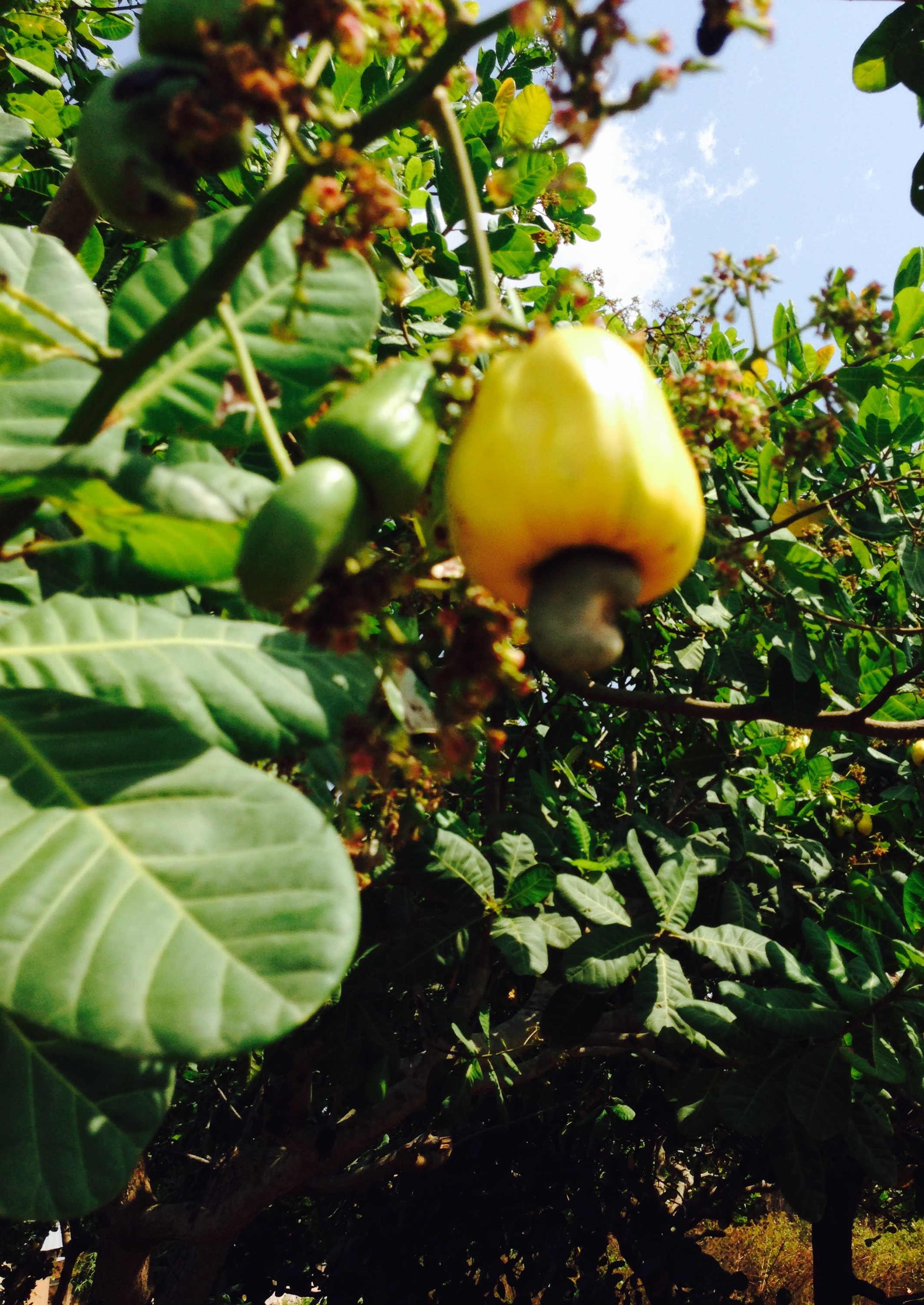
Nigeria has stepped back from a threatened ban on raw cashew nut exports, choosing instead to steer the sector through a long-term policy roadmap. The Federal Government opted for an industry framework rather than an outright ban, a decision that lands as growers target one million tonnes of annual production while domestic processors press for tighter controls on foreign buyers reaching farmers directly, according to Leadership.
A Framework, Not a Ban
The centrepiece is a 10-year Cashew Sector Policy Framework covering 2025 to 2035, Nigeria's first nationally validated policy instrument for the crop. It sets a target of lifting annual cashew output to one million tonnes and raising domestic processing to 50 per cent by 2035, and it was presented to the international industry at the 2026 African Cashew Alliance conference in Accra, according to Tribune Online. The same report noted the framework was validated by stakeholders in July 2026 after consultations across the country's 19 cashew-producing states, a process that began in 2022.
What Growers Stand to Gain
The stakes are considerable. Figures from the Nigerian Export Promotion Council put the cashew industry's value at more than $446.92 million, equivalent to over ₦635 billion, in the early part of 2026, according to Leadership. The National Cashew Association of Nigeria said the validated roadmap offers a more sustainable path than a total ban, arguing that supporting farmers and processors at the same time can deliver greater value addition, with the association's national president, Ademola Adesokan, stressing that there is no export ban and that stakeholders are satisfied with the validated policy, the same report noted. The roadmap aims to raise raw cashew production from the current 300,000 to 350,000 tonnes a year toward the one million tonne goal within a decade.
The Tension That Remains
The truce does not settle every dispute. Domestic processors continue to argue that uncontrolled purchases by foreign buyers drive up raw cashew prices and undermine their competitiveness, and they want tighter control over foreign access to farm-gate supplies, according to MSME Africa. Earlier in the year, growers had warned that a blanket ban could cost the sector dearly, with the association cautioning that as many as five million jobs were at risk if financing, infrastructure and market constraints went unresolved, according to Vanguard. The roadmap tries to hold both interests together, promising orchard rehabilitation, better planting materials, financing and processing incentives rather than a hard trade restriction.
Cashew sits at the heart of Nigeria's push to earn more from processed farm goods rather than raw commodities. FoodPrices Nigeria tracks verified retail prices across Lagos markets and follows the policy shifts that shape rural incomes and the wider food economy.
#Cashew, #ExportPolicy, #NCAN, #NonOilExports, #Nigeria, #Lagos, #FoodPrices, #Agriculture, #ValueAddition, #Trade