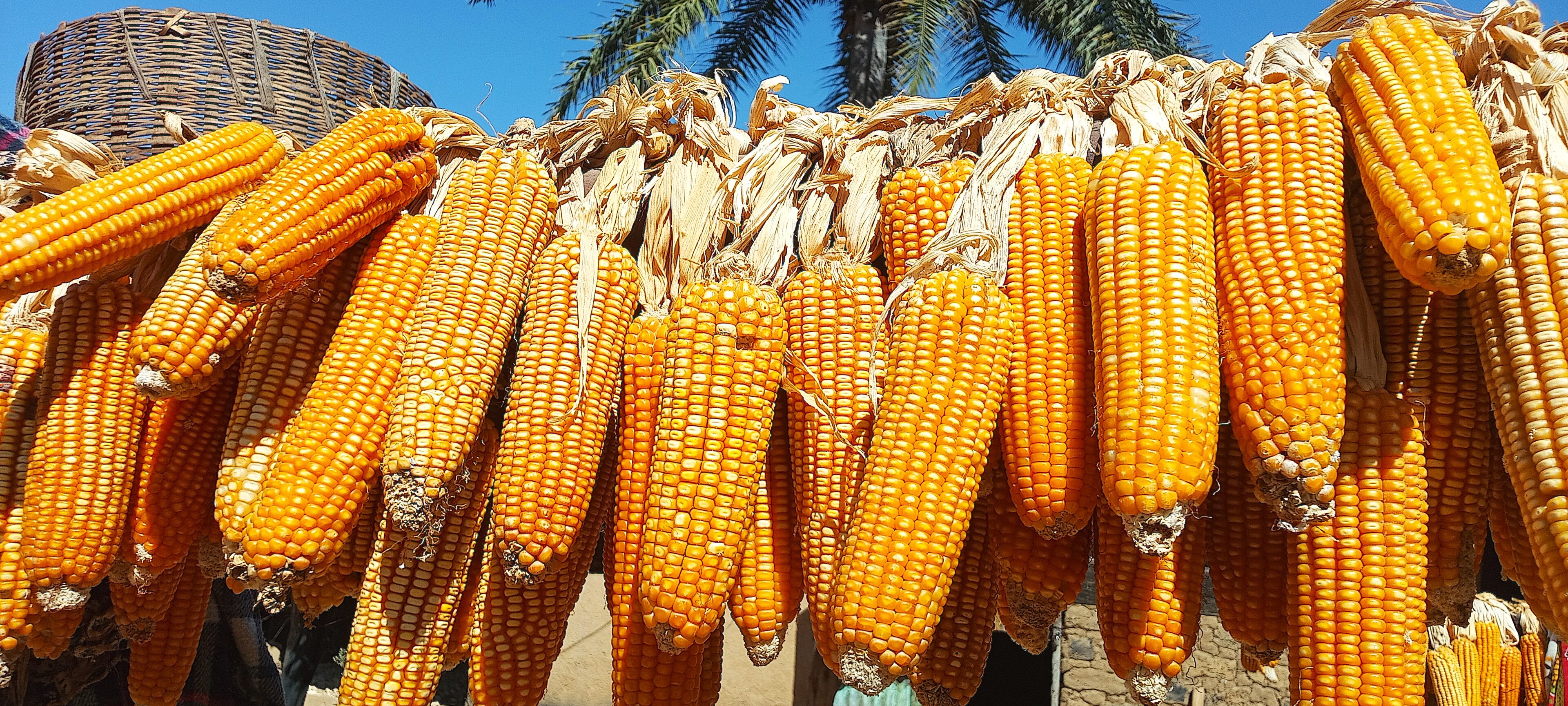
Nigeria's grain economy is leaning harder on foreign supply. The country could sharply increase imports of its major grains in the 2026-27 marketing year as domestic output falls, with maize imports forecast to jump about 160 per cent to 650,000 tonnes, wheat imports rising 7 per cent to 7.2 million tonnes and rice imports climbing 9 per cent to 3.5 million tonnes, according to United States Department of Agriculture data reported by UkrAgroConsult.
Costs That Discourage Planting
The slide is being driven from the farm gate. Rising input costs and low mechanisation are discouraging farmers from expanding planting even as demand for staples keeps growing, according to Milling and Grain MEA, which noted that unless production costs ease or farmgate prices improve, Nigeria's dependence on imported grain will deepen as consumption outpaces supply. Wheat shows the imbalance most sharply. National consumption is projected at about 6.8 million tonnes in 2026-27 while domestic production is expected to reach only around 140,000 tonnes, leaving imports to fill nearly the entire gap, with the European Union supplying roughly 45 per cent, as detailed in the UkrAgroConsult account of the forecast.
A Nation Hooked on Imported Staples
The demand side keeps climbing. More than half of Nigeria's estimated 240 million people regularly consume processed wheat products such as bread, noodles, semolina and pasta, and demand from bakeries and food processors continues to expand in urban areas, according to the United States Department of Agriculture's Grain and Feed Annual for Nigeria. The trend is not new. Nigeria's total grain imports were already projected at about 10.1 million tonnes for 2025-26, up 10 per cent on the prior year, according to African Agribusiness, which underscores how quickly consumption has been outrunning what Nigerian farms can grow.
The Exposure on the Shelf
Heavy reliance on imported grain leaves Nigerian shelves at the mercy of global prices, freight rates and the naira's strength against the dollar. When any of those move against the country, the cost shows up in bread, garri substitutes, animal feed and the poultry and eggs that depend on maize.
FoodPrices Nigeria tracks verified retail prices for grains and staples across Lagos markets and follows the supply forces that determine how much a bag of rice or a loaf of bread costs.