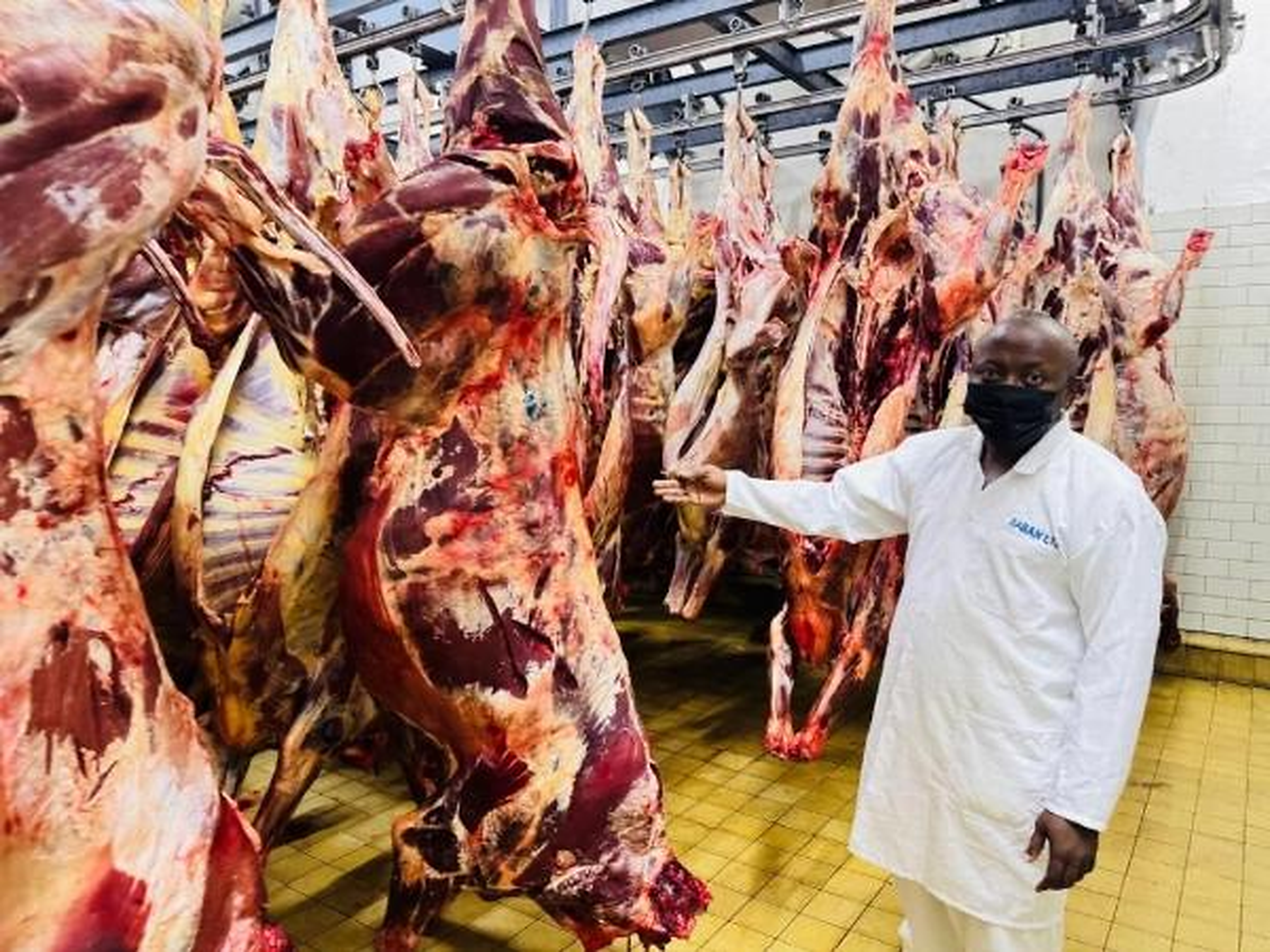
Nigeria is looking south for help turning its vast livestock herds into a modern, market-driven red-meat industry. The Federal Ministry of Livestock Development has begun discussions with South African institutions and private-sector stakeholders on a strategic partnership to transform the country's red-meat sector and position it to compete internationally, according to Naij News Alert.
What the Partnership Covers
The collaboration is broad. It will focus on livestock genetics, red-meat production, meat grading and classification, agribusiness development, knowledge exchange and technology transfer, bringing together Livestock Genetics Africa Limited, Waymaker Trade Solutions, the South African Meat Industry Company and the North-West University Business School, according to Naij News Alert. The Minister of Livestock Development, Idi Mukhtar Maiha, said Nigeria wanted to learn from South Africa's experience in livestock development, dairy production, animal health, disease surveillance, logistics, feed and fodder development and meat standardisation.
The Prize
The numbers explain the ambition. Maiha has said Nigeria could earn about $3.2 billion from the red-meat industry if it is properly harnessed, according to AllAfrica. A parallel initiative, the Nigeria Red Meat Partnership, is targeting a $275 million red-meat export boost through private investment channelled by the African Union's Gates-backed Africa Pastoral Markets Development platform, according to Real News Magazine. Grading and classification matter here because international buyers pay for consistency, and a credible standard is the passport to export markets.
Part of a Broader Drive
The talks are one strand of a wider push to reposition livestock under the Renewed Hope Agenda. The ministry has also convened a unified stakeholder platform bringing together major herder and cattle-dealer associations with international partners to improve access to finance, insurance, veterinary services, market information and transparent transactions, while backing investment in modern markets, processing facilities and cold-chain systems, according to the Federal Ministry of Livestock Development.
Nigeria is already one of Africa's largest livestock producers, yet it still imports meat and dairy to meet demand. FoodPrices Nigeria tracks verified retail prices for proteins across Lagos markets, where a more productive, better-graded red-meat sector could eventually influence what households pay for beef.