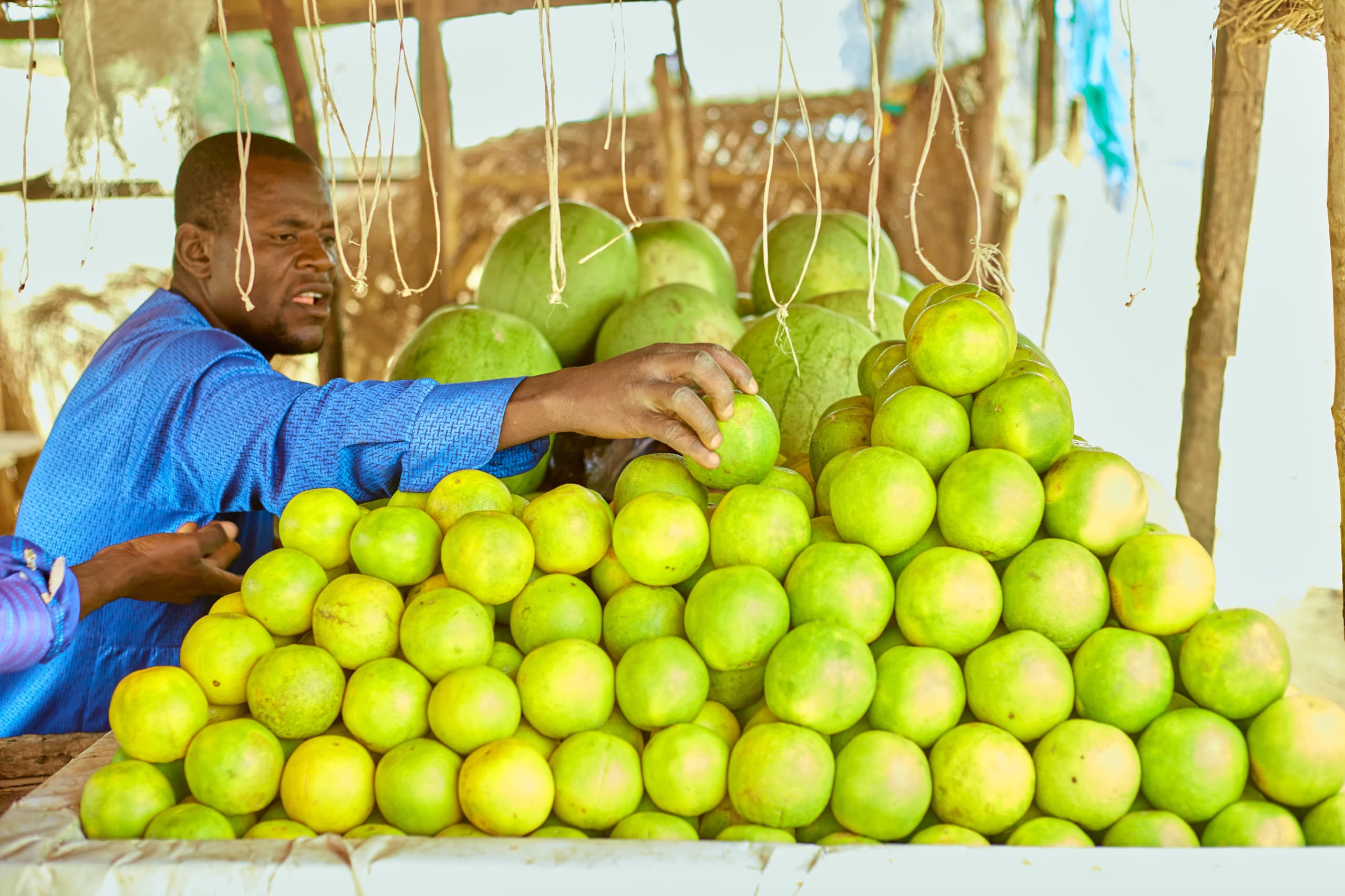
Nigeria grows oranges by the millions of tonnes, with production concentrated in the guinea and sudan savanna zones and Benue State among the leading producers, according to an assessment of citrus farming in Nigeria. Yet almost none of that fruit ends up in the cartons of juice sold across the country, a gap that costs Nigeria dearly in foreign exchange and leaves farmers watching part of their harvest go to waste.
An Import Bill Hiding in Plain Sight
About 95 per cent of the fruit juice concentrate used in Nigeria is still imported, a dependence quantified at more than $400 million a year, according to a review of citrus fruits value chain development in Nigeria. The paradox is that Nigeria has the raw fruit in abundance but lacks the factories to turn it into the concentrate that beverage makers need, so processors buy from abroad while local oranges are sold fresh at roadside heaps or left to spoil.
A Harvest That Rots on the Way
Part of the problem is that the fruit does not survive the journey to market. More than half of the fruits produced in Nigeria are lost in transit between farms and major urban markets, losses the review described as avoidable and tied to weak value addition and the absence of cold storage, according to the same analysis. Independent accounts put orange losses at around 30 per cent before the fruit reaches consumers, and note that most oranges are eaten fresh with little significant processing, leaving Nigeria with just one citrus processing plant, Teragro, which began concentrate production in 2012, according to a postharvest loss review hosted by the University of Illinois.
A Push That Fell Short
Nigeria has tried before to close the gap. A World Bank-backed project channelled a grant through the Raw Materials Research and Development Council to develop the fruit juice industry, upgrading tissue-culture facilities, distributing elite citrus planting materials to farmers and encouraging private firms to establish concentrate factories and fruit plantations, according to the value chain review. Stakeholder forums held in Lagos brought manufacturers together to push the idea, yet the country still imports the overwhelming share of its concentrate, a sign that planting materials alone cannot fix a processing and storage problem.
The Opportunity in the Gap
The fix is not more trees but more factories and cold rooms. Establishing cold storage facilities across the country would sharply cut the waste that accrues during the harvest season, and building concentrate plants closer to orchards would let Nigeria capture value it currently ships abroad, the value chain review argued. For a country that grows so much fruit, replacing even part of a $400 million concentrate import bill with local production would keep money and jobs at home and give farmers a buyer for fruit that now rots unsold.
Cheaper, locally processed juice and less wasted fruit would ease pressure on both shoppers and farmers. FoodPrices Nigeria tracks verified retail prices across Lagos markets and follows the processing gaps that decide how much of Nigeria's harvest reaches the table rather than the rubbish heap.