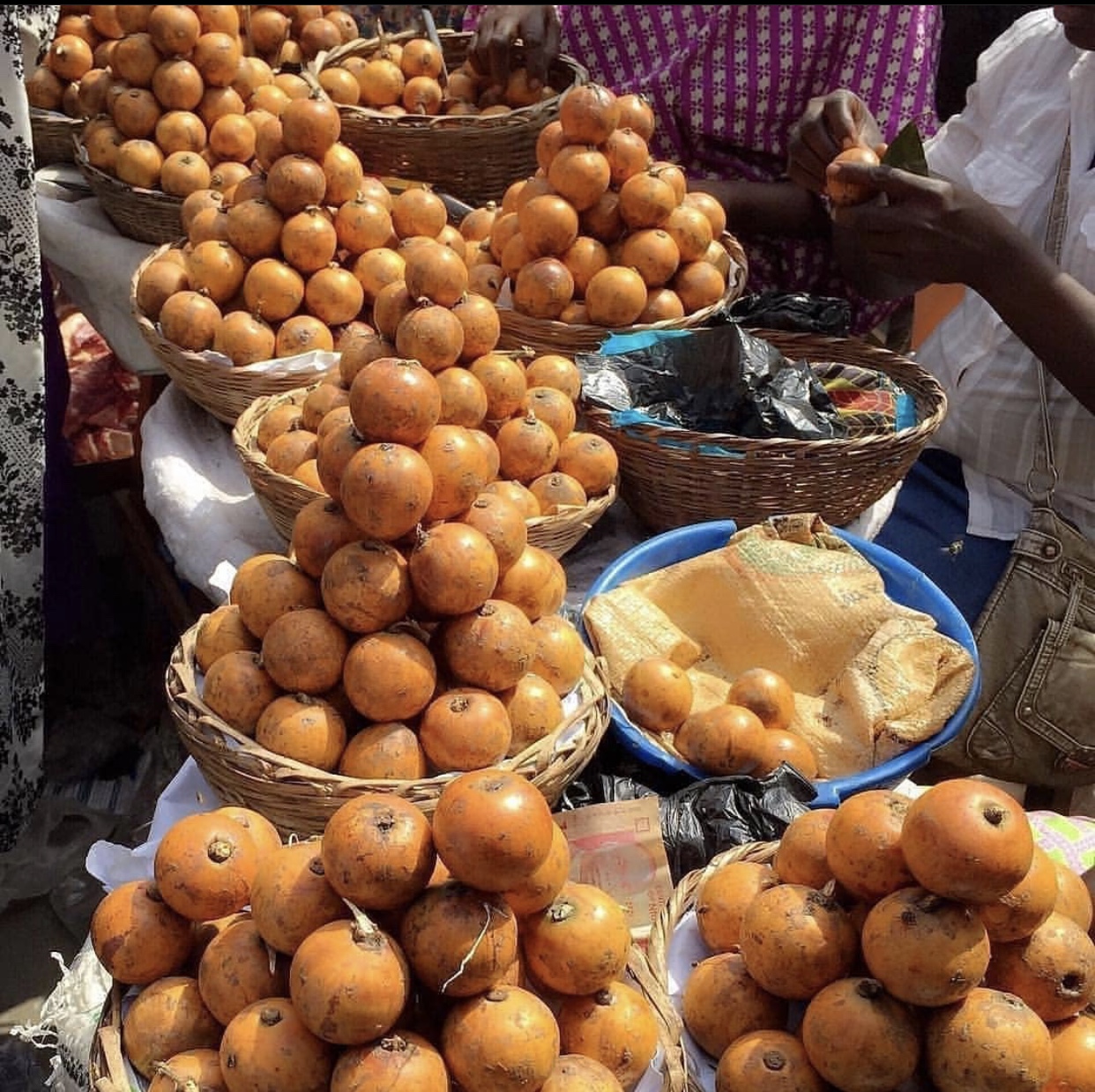
For a few months each year, agbalumo is everywhere, sold in heaps at roadside stalls and city markets, then it disappears until the next dry season. Known as agbalumo in the South West, udara or udala in the South East and ciwoh in parts of the North, the African star apple is a five-celled seasonal fruit with a sweet and tangy pulp that Nigerians eat by the handful, according to BusinessDay, which noted that its sale has become a steady source of income for rural and urban traders and small agropreneurs.
A Fruit Locked to a Short Season
Botanically called Chrysophyllum albidum, agbalumo grows across West Africa, from Nigeria to Cameroon, Cote d'Ivoire, Uganda and the Niger Republic, and in Nigeria it appears in almost every market between December and April, according to BusinessDay. That short window is part of the problem. The fruit arrives, delights, and by April it is gone and largely forgotten until the following season, a cycle that keeps it stuck as a nostalgic treat rather than a planned crop, as Vanguard argued in a feature that framed the fruit as an economic goldmine Nigeria has failed to tap. The same argument was carried again this year by Daily Trust, a sign the missed opportunity is still very much open.
More Than a Roadside Chew
The nutritional case is strong. Agbalumo is a good source of fibre, vitamins A and C, folic acid and minerals such as potassium and calcium, and researchers at Covenant University have reported that the fruit can help lower blood sugar, according to BusinessDay. Studies compiled by Pharmanews show the pulp is a viable raw material for soft drinks, jams and jellies, that agbalumo leaves have shown antibacterial activity in Forestry Research Institute of Nigeria work, and that the economics can work, with the production cost of a 500ml carton of agbalumo juice estimated at about ₦37.48.
Where the Value Leaks Away
Turned into juice, dried snacks, jams or herbal teas, indigenous fruits like agbalumo could earn far more than they do sold fresh and unprocessed, and global appetite for exotic, nutrient-dense fruits is rising, according to an analysis of indigenous fruits by Agrofarmsupport. The raw material is not the constraint. A single well-maintained acre of udara trees can carry between 24,000 and 50,000 fruits a year, offering real returns for commercial growers, according to a cultivation guide by Floratalk. What is missing is orchard-scale planting, cold storage to stretch the season, and processing lines to convert a fragile fruit into shelf-stable products before it spoils.
Agbalumo shows how a beloved staple can be everywhere and still earn almost nothing beyond the farm gate. FoodPrices Nigeria tracks verified retail prices across Lagos markets and follows the indigenous crops whose untapped value shapes rural incomes and the cost of eating well
.#Agbalumo, #Udara, #AfricanStarApple, #Fruit, #ValueAddition, #Nigeria, #Lagos, #FoodPrices, #Agriculture, #NonOilExports