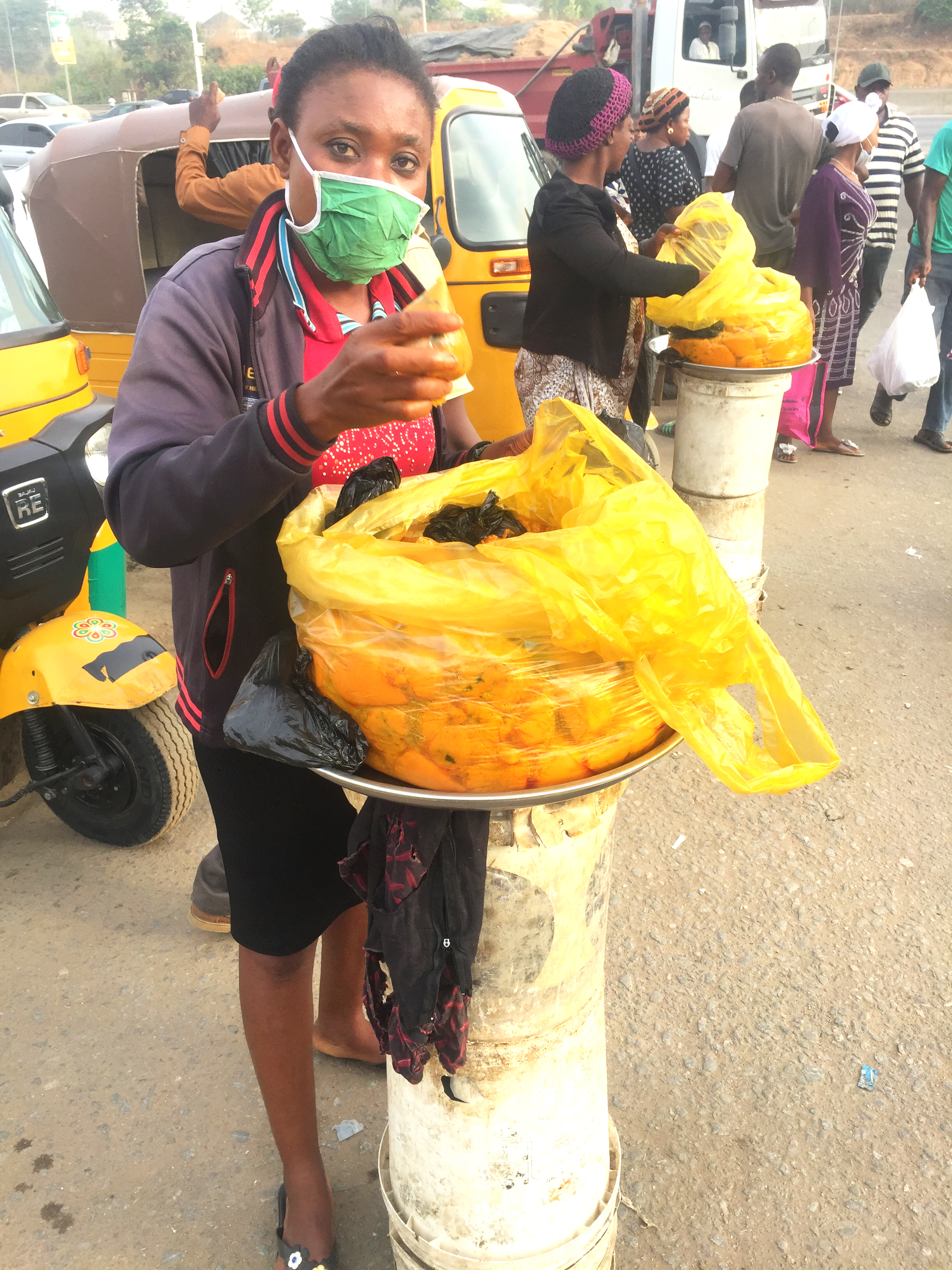
Nigeria has a cheap, hardy source of protein hiding in plain sight, and it mostly ignores it. Bambara groundnut, the legume steamed into the popular pudding known as okpa, is so nutritionally complete that researchers routinely describe it as a near-complete food, yet it remains one of the country's most neglected crops, as a study of its profitability in Benue State published by the International Society for Horticultural Science noted. Classed among the world's underutilised legumes, it is prized precisely for the traits Nigeria needs most, resilience to drought and the ability to grow where other crops fail, according to the Journal of Underutilised Crops Research.
A Cheap Protein Hiding in Plain Sight
The nutritional case is strong. An analysis of bambara groundnut accessions collected from farmers in Kogi, Niger and Kaduna states found crude protein ranging from about 12.5 to 24.6 per cent, with the crop meeting Food and Agriculture Organisation standards for protein, lipids, carbohydrate and minerals, according to a proximate study archived on Zenodo. Because it thrives in dry areas where animal protein is scarce or expensive, it has the potential to become a staple for poorer households, the Journal of Underutilised Crops Research argued. In Nigeria, okpa made from bambara flour and red palm oil already contributes meaningfully to dietary protein and vitamin A among school children, according to a review by ResearchGate.
Grown Where Other Crops Fail
The agronomy makes it even more attractive for a country facing dry spells and poor soils. Bambara groundnut grows well in low-rainfall zones where legume production is otherwise risky, and it improves soil conditions as it grows, the International Society for Horticultural Science study found, adding that cultivation in Benue was profitable, though farmers operated at about 70 per cent technical efficiency, meaning yields could rise sharply with better inputs and methods. Scientists have also flagged its promise as a climate-resilient crop for a warming continent, according to work by the International Institute of Tropical Agriculture published in Frontiers in Plant Science.
Held Back by Neglect
What holds the crop back is not biology but attention. It remains under-researched, short of improved seed and reliant on informal, small-scale processing, leaving its contribution to protein security in sub-Saharan Africa far below its potential, according to a study in Frontiers in Sustainable Food Systems. Better varieties, wider cultivation and modern milling into shelf-stable flour would turn a seasonal delicacy into a dependable, affordable protein.
A cheaper home-grown protein would ease pressure on household food budgets already stretched by costly beans and animal protein. FoodPrices Nigeria tracks verified prices for beans and staples across Lagos markets, where the cost of protein is felt most keenly.