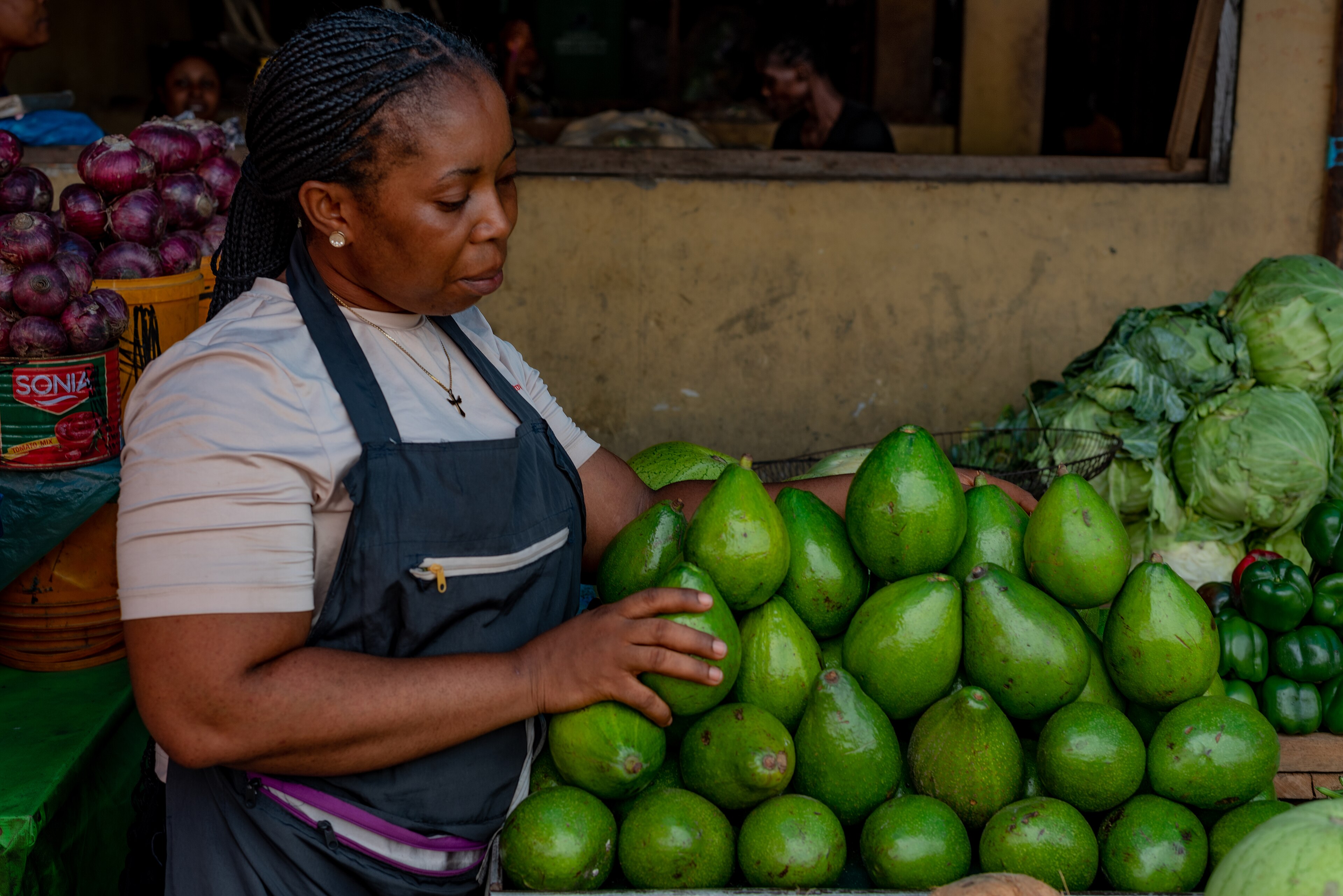
Around the world, the avocado has become one of the hottest crops in the produce aisle. Nigeria grows the fruit too, but while other countries turn it into export fortunes, the crop Nigerians call the African pear remains a seasonal roadside snack.
A Global Boom
The numbers behind the avocado craze are striking. Global avocado exports have grown more than fourfold over the past 15 years, rising from roughly 730,000 tonnes in 2010 toward a projected 3.8 million tonnes by 2029, according to FreshFruitPortal, which reported that Mexico and Peru still dominate but that Colombia, Kenya, Morocco, Spain and South Africa are steadily expanding their share. Worldwide production now exceeds 10 million tonnes a year, driven by rising demand for healthy, plant-based foods, according to a review of world avocado production.
Kenya Shows the Way
Africa is not a bystander in this boom. Kenya has become the continent's leading avocado producer and top exporter by volume, followed by South Africa, Ethiopia, Tanzania and Uganda, according to the same review. Kenyan production was forecast to expand to around 727,000 tonnes in 2026 with exports rising further, and its avocado oil processing more than tripled between 2024 and 2025 as high-income markets clamoured for the product, according to a United States Department of Agriculture report. Kenya has turned a fruit into a foreign-exchange earner and a rural jobs engine.
Nigeria's Untapped Pear
Nigeria, by contrast, has the raw material but not the industry. The African pear is well known across West Africa and contributes heavily to local and communal trade during its season, and although it is abundant in Nigeria, the crop is not yet well developed, according to research on the economic significance of avocado pear in Nigeria, which noted that the fruit contains about 30 per cent oil and holds strong potential for industrial use. In practice, most Nigerian avocado is eaten fresh and locally, with little grading, cold storage, processing or export to capture the premiums that Kenyan and Latin American growers now enjoy.
A Market Still Growing
The window has not closed. Long-term import demand for avocado continues to expand across North America, Europe and, increasingly, East Asia, according to market data compiled by Tridge, even as a broader supplier base intensifies competition. For Nigeria, capturing even a slice of that trade would mean investing in improved varieties, orchard development, cold chains and processing for oil and pulp, the same building blocks that lifted Kenya. Without them, a fruit that grows readily on Nigerian soil will keep ripening and rotting far from the markets paying the highest prices.
Turning the African pear into a graded, processed, export-ready crop would lift farmer incomes and add another non-oil earner. FoodPrices Nigeria tracks verified retail prices across Lagos markets and follows the crops where value addition could reshape what farmers earn and what shoppers pay.