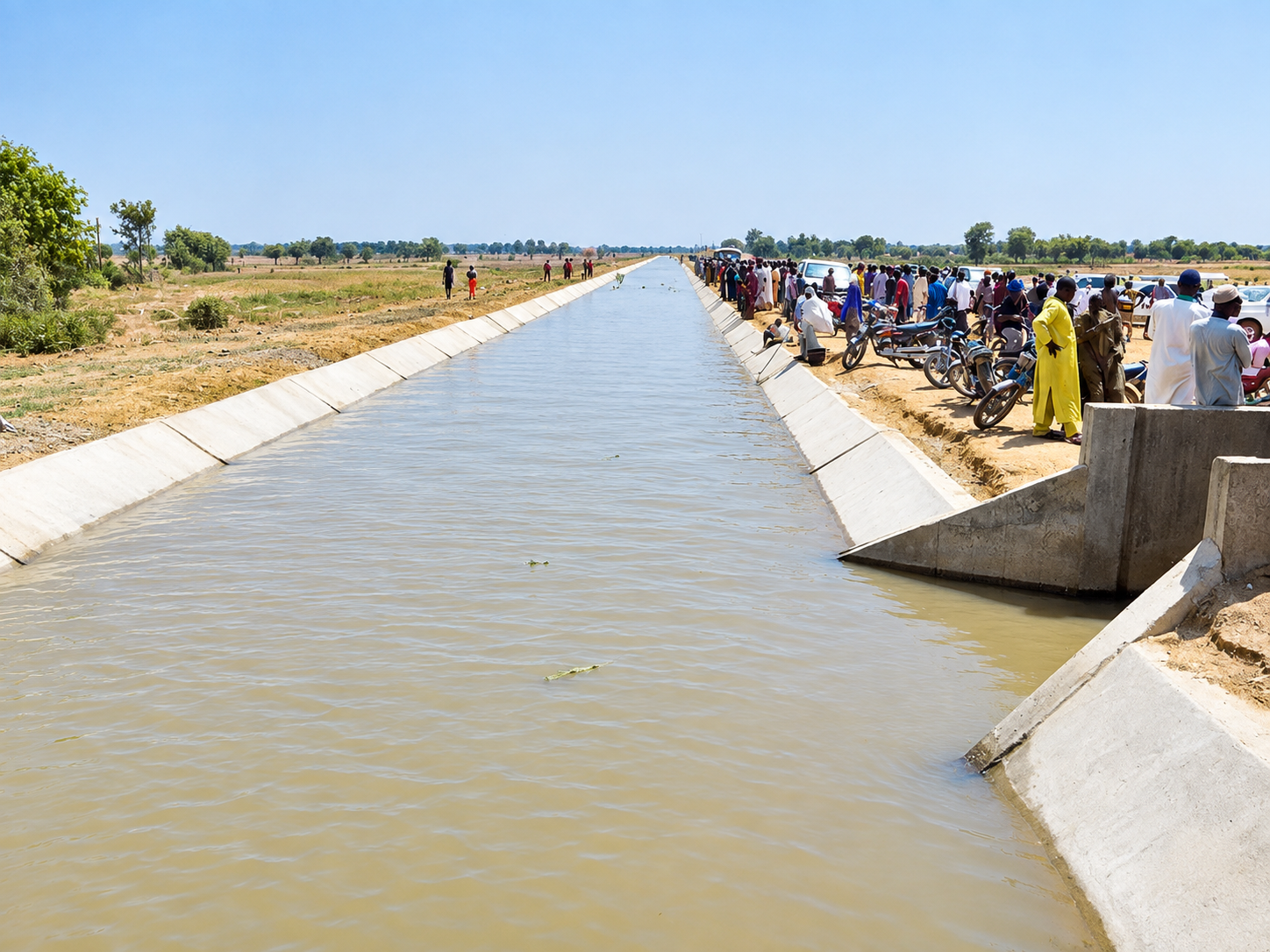
Nigeria is scouting sites for a wave of new dams meant to let farmers grow food through the dry months rather than waiting on the rains. The Minister of Water Resources and Sanitation, Prof. Joseph Utsev, led a federal delegation to Gyelle community in Amper District, Kanke Local Government Area of Plateau State to inspect a proposed dam site expected to boost food production, irrigation, power generation and rural development, according to THISDAY.
A Piece of a Bigger Plan
The Plateau site is one node in a nationwide effort. About 72 dams have been located and identified, some for rehabilitation and others for new construction, with the Gyelle project sitting alongside the rehabilitation of the Alua Dam in Borno and multiple dams planned along the Sokoto-Badagry Superhighway, Utsev said, according to Arise News. Technical teams would soon begin detailed studies to determine the dam's size, cost and construction timeline, and construction would follow feasibility studies, engineering designs and approval by the Federal Executive Council, according to WorldStage. The minister added that the nearby Mangu Dam in Plateau had reached about 90 per cent completion.
Water Where There Was None
For the host community, the project is about far more than farming. Residents told the delegation that despite existing for more than a century, the area had no reliable source of potable water, healthcare facility, electricity, motorable roads or schools, forcing people and livestock to share the same natural water sources, according to Vanguard. The Chairman of the Ngas Elders Association, Nde Gideon Barde, described the proposed dam as a strategic investment that would improve access to water for domestic use, irrigation and livestock production, Vanguard reported, while the News Agency of Nigeria noted the facility is intended to improve water supply, boost irrigation farming and enhance power generation.
The Untapped Potential
The push matters because Nigeria uses only a sliver of its irrigation capacity. The country has irrigation potential of about 3.14 million hectares but has developed well under 20 per cent of it, even as it ranks among Africa's largest food importers, according to Ecofin Agency. Functioning dams would let farmers cultivate two or three cycles a year for crops like maize, rice, tomatoes and vegetables, smoothing the seasonal price swings that hit hardest during the lean months.
Year-round water is one of the surest routes to steadier harvests and calmer prices. FoodPrices Nigeria tracks verified retail prices across Lagos markets, where the payoff from reliable irrigation eventually shows up in supply.