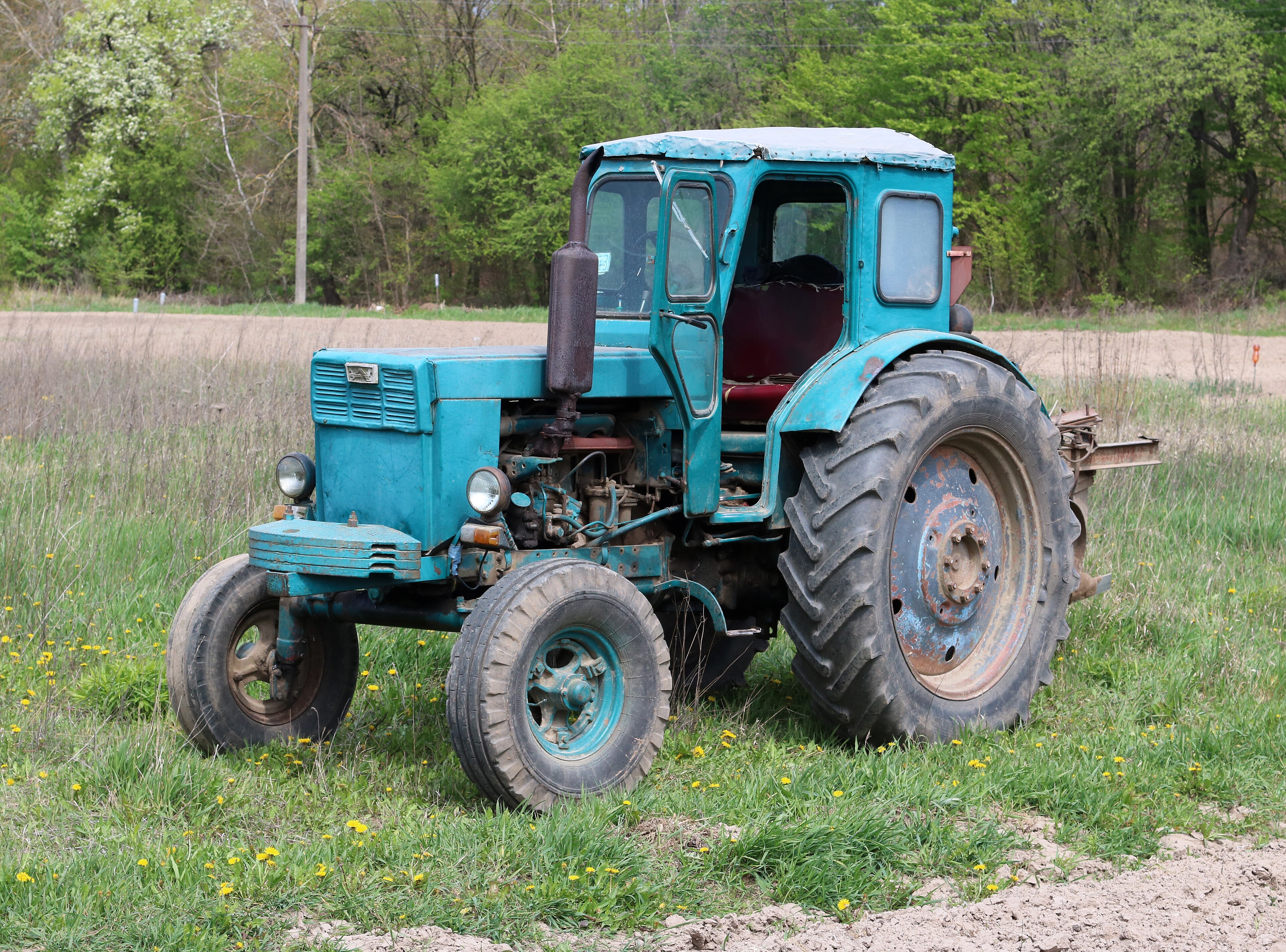
Nigeria has laid out a formal plan to mechanise its farms, unveiling a National Agricultural Mechanisation Policy and a matching investment strategy alongside plans for a mega tractor assembly plant capable of producing between 2,000 and 4,000 units a year. The Minister of Agriculture and Food Security, Senator Abubakar Kyari, announced the plan at a High-Level National Policy Dialogue on Agricultural Mechanisation in Abuja, according to Punch.
Why Machines Matter
Most Nigerian farmers still work the land with hoes and cutlasses, a reliance on manual labour that caps how much they can plant and harvest. The new policy is designed to change that by standardising equipment, spreading mechanisation services and pulling private capital into a segment long starved of investment, according to Tribune Online. The strategy leans on private operators rather than government-owned tractor fleets, which have a poor record of maintenance and access across the country.
A Private-Sector Model
The government pointed to the private mechanisation firm TracTrac MSL as proof the model can work. The company's chief executive, Godson Ohuruogu, said its interventions had reached more than 500,000 farmers and catalysed over ₦2 billion in investment, according to Tribune Online. Through the ISSAM project with the Mastercard Foundation, the firm trained more than 6,000 young people, women and persons with disabilities, created over 3,000 jobs in a single year, established 567 youth and women-led cooperatives, and deployed hundreds of tractors and nearly 2,000 labour-saving devices, the same report noted.
The Bigger Picture
Mechanisation sits at the centre of Nigeria's push to grow more and import less. Africa spent a record $122.9 billion on agricultural imports in 2022, even though it holds close to two-thirds of the world's uncultivated arable land, according to The Guardian. Mechanisation is also one of the five programmes anchored by the National Agricultural Technology and Innovation Policy, which the African Development Bank is backing through a $200 million loan under the National Agricultural Growth Scheme, according to the African Development Bank. The stakes are visible in the price data, with the National Bureau of Statistics recording food inflation of 17.52 per cent year-on-year in June 2026, according to Leadership.
Machines that let a farmer plant more land and harvest it faster feed directly into supply, and supply eventually shapes price. FoodPrices Nigeria tracks verified retail prices across Lagos markets, where the results of a more mechanised harvest will show up over time.