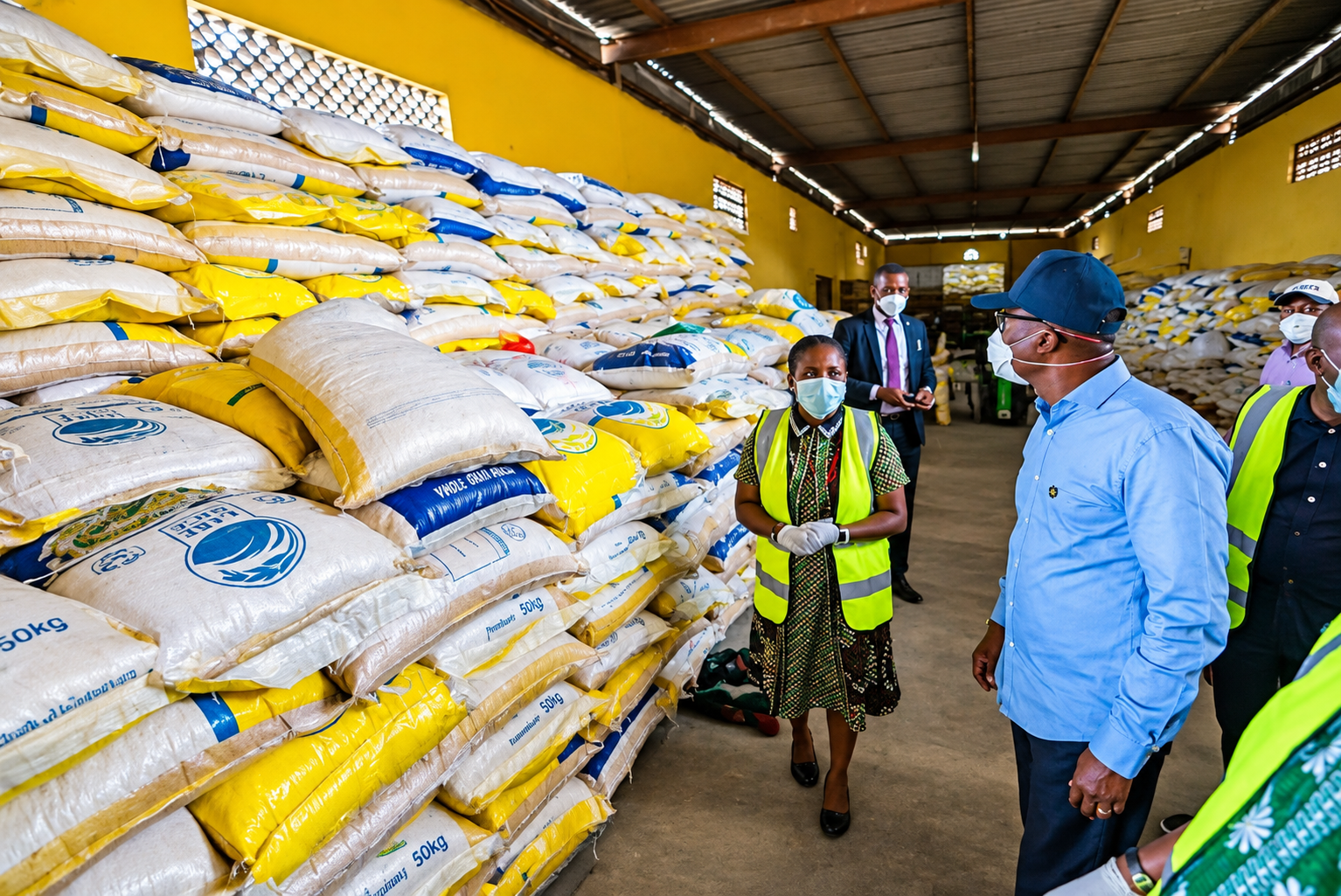
Nigeria is trying to use its own shopping list as a lever for better diets and stronger local farming, launching national rules for how the public sector buys food. The Federal Government unveiled the National Guidelines for Public Procurement of Food and Related Services, an initiative aimed at improving nutrition and food safety while strengthening local agriculture and food production, according to the Federal Ministry of Information and National Orientation.
Spending With a Purpose
The guidelines were developed by the Bureau of Public Procurement in collaboration with the Federal Ministry of Budget and Economic Planning, the Federal Ministry of Health and Social Welfare, the Federal Ministry of Education and the non-profit Resolve to Save Lives, according to the Federal Ministry of Information and National Orientation. The Director-General of the Bureau, Adebowale Adedokun, described the launch as a significant milestone in the country's procurement reforms, saying the new policy would enable public institutions to provide safer, healthier and more nutritious meals while promoting accountability in government spending, according to the same statement.
Tying Food to Health and Farms
Officials framed the guidelines as a way to make every public food purchase work harder for both health and agriculture. The Minister of State for Health and Social Welfare, Iziaq Salako, said strategic procurement principles were being extended to nutrition so that government buying drives healthier food systems and better public-health outcomes, according to the Federal Ministry of Information and National Orientation. He urged stakeholders to move beyond adopting the policy to coordinated implementation, so that procurement decisions contribute to a healthier and more productive Nigeria, the same account noted.
A Nigeria First Angle
The initiative is being positioned as part of the government's Nigeria First Policy, which seeks value-for-money in public spending while favouring locally produced goods, according to the Federal Ministry of Information and National Orientation. Because governments at every level buy food in bulk for schools, hospitals, barracks and other institutions, the way those contracts are written can shape demand for local crops and set standards for safety and quality across a large slice of the market. Tilting that demand toward Nigerian farms and safer, more nutritious food is the stated aim of the new framework, according to the same statement.
Public buying is one of the few tools that can shift both what farmers grow and what citizens eat at the same time. FoodPrices Nigeria tracks verified retail prices across Lagos markets and follows the policies that shape demand for local food and the cost of feeding a household.