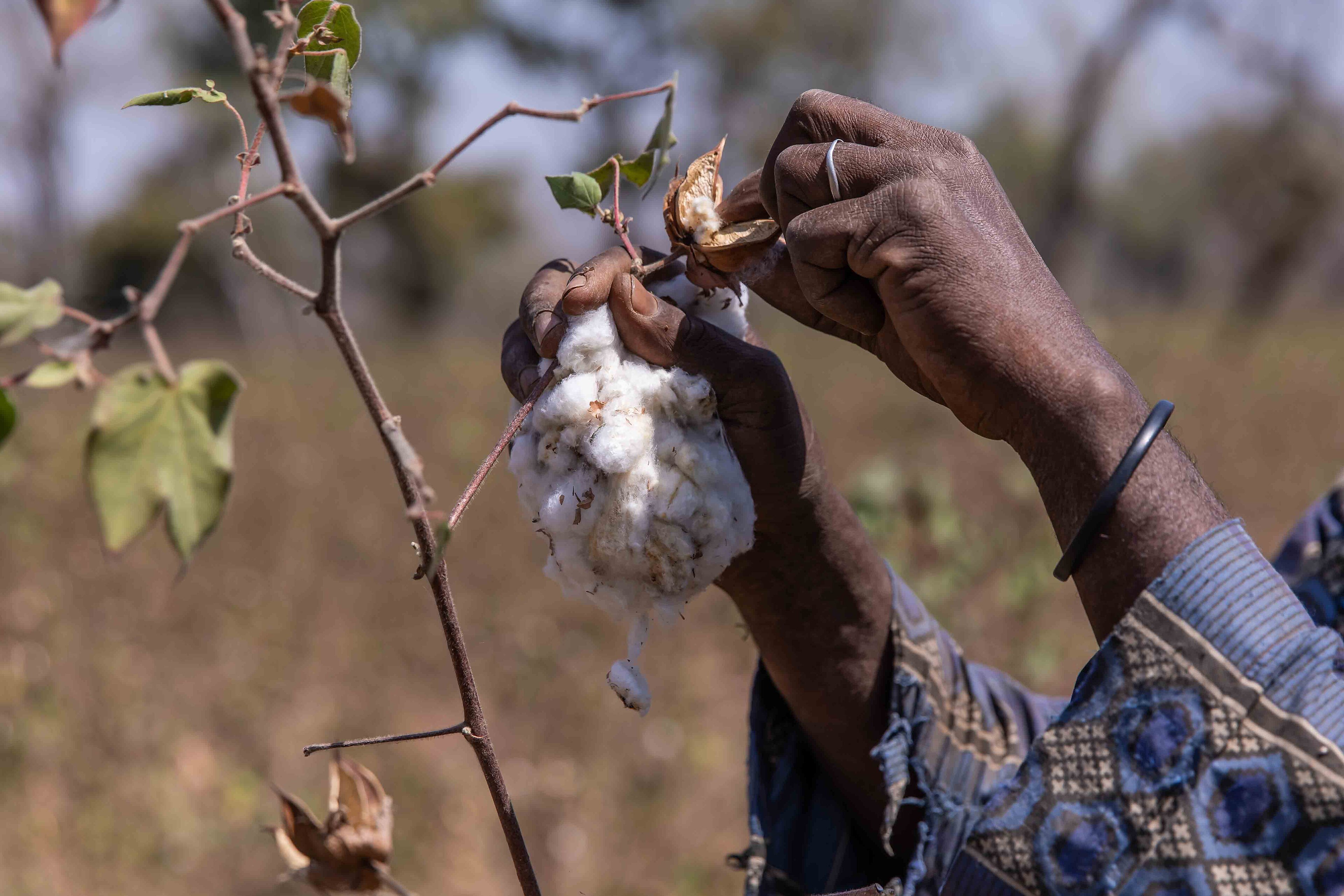
Nigeria is trying to revive one of the biggest farm-based industries it ever let slip, its cotton and textile chain. The Federal Government has moved to rebuild the sector and signalled a new strategic policy framework to attract investors and guide operators, with officials warning that cotton output had collapsed from about 2.5 million bales at the turn of the century to as little as 10,000 in recent years, according to Voice of Nigeria. The Managing Director of the Bank of Agriculture pledged financing for cotton production and the wider value chain at the same event, calling the industry capable of attracting global investment and creating jobs.
From a Million Jobs to Near-Collapse
The fall was steep. At its peak around 1990, Nigeria had roughly 180 textile mills employing more than one million direct workers, supported by a deep backward link to cotton farming, before decline set in from around 2005, according to reporting by allAfrica. That report put total textile trade between 2019 and 2023 at ₦1.5 trillion, of which imports made up about 96.5 per cent, leaving a trade deficit near ₦1.384 trillion. Interventions such as a ₦100 billion textile fund were often poorly implemented, and historic ginneries in Gusau, Funtua, Sokoto and Zaria fell silent, as Leadership documented.
Rebuilding the Chain
Earlier efforts show both the promise and the difficulty. A Central Bank programme financed more than 200,000 cotton farmers and helped lift the number of active ginneries from 13 in 2019 to 21 by 2021, cultivating hundreds of thousands of hectares, according to THISDAY. Building on that, the Raw Materials Research and Development Council has joined stakeholders in Kaduna to map dormant ginneries, modernise cotton fibre testing and revive seed multiplication for improved varieties, according to the RMRDC. Officials say a pilot has already shown that cotton can move from field to finished garment within six to seven months, according to Voice of Nigeria.
A Farm-Economy Story
Cotton is grown mostly by smallholders, so its revival is as much a rural jobs and incomes story as an industrial one. A working cotton-to-textile chain would put money back into northern farming communities and reduce a heavy import bill. There is a balance to watch, since cotton competes with food crops such as maize, beans and sorghum for the same land, labour and inputs, which means a revival must expand the rural economy rather than crowd out food production.
A stronger, more diversified farm economy underpins the incomes and supply that ultimately shape food prices. FoodPrices Nigeria tracks verified retail food prices across Lagos markets and follows the shifts in the farm economy that reach the shopper.