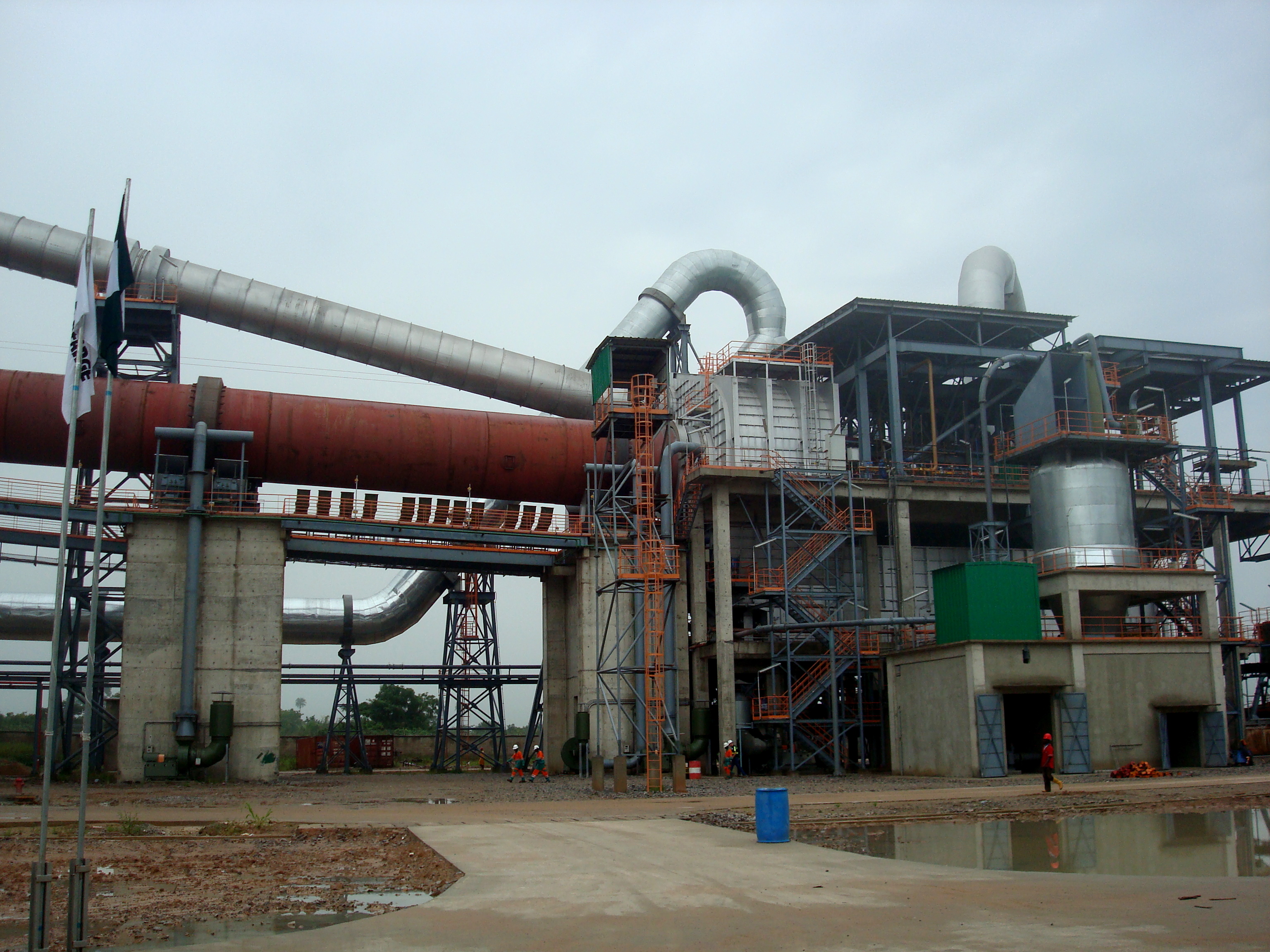
In a food economy that imports much of what it eats, salt is one staple Nigeria largely processes for itself. NASCON Allied Industries, a member of the Dangote Group, is the country's leading refiner and distributor of household, food-processing and industrial salt, turning raw salt into refined, edible and industrial grades sold under the Dangote brand in 50kg bags and in 250g, 500g and 1kg sachets, according to the company's 2025 Annual Report.
A Refining Industry at Home
The business traces its roots to a deliberate self-sufficiency push. NASCON was established in 1973 as the National Salt Company of Nigeria, a refinery built at Ijoko in Ogun State to reduce dependence on imported salt, and it has since grown to run plants in Apapa and Oregun in Lagos, Ota in Ogun and Port Harcourt in Rivers, with combined output rising to about 600,000 tonnes a year after the Dangote Group took control, according to a company profile. The same operation has expanded into seasoning and, at times, vegetable oil and tomato paste, the latter entered specifically to help close a supply gap that local production and imports had failed to meet.
Iodised for Health
Salt in Nigeria carries a public-health role beyond flavour. NASCON fortifies its salt with iodine under UNICEF guidelines and Nigerian regulations to combat iodine deficiency disorders, according to the 2025 Annual Report, and it produces specialised grades such as pure dried vacuum salt used by the seasoning industry to make condiments and stock cubes, according to the company's product listing. Iodisation has been central to Nigeria's fight against goitre and related disorders for decades.
A New Table Salt, and the Costs Ahead
The company continues to push new products at the household end of the market. In May 2026, NASCON unveiled Dangote Table Salt, a finely refined, iodised product developed for domestic use and marketed on purity and nutrition, according to a company announcement. The business remains sizeable, reporting revenue of about ₦152.69 billion and net profit of about ₦33.53 billion for 2025, according to African Financials. Even so, refiners face the same pressures squeezing the rest of the food chain, from energy and logistics costs to foreign-exchange swings on inputs and machinery, which feed through to the price of a sachet on the shelf.
Salt is a small line on any shopping list but an unavoidable one, and a domestic refining base offers a rare buffer against import shocks. FoodPrices Nigeria tracks verified retail prices across Lagos markets and follows the staples, from salt to seasoning, that anchor the cost of every home-cooked meal.