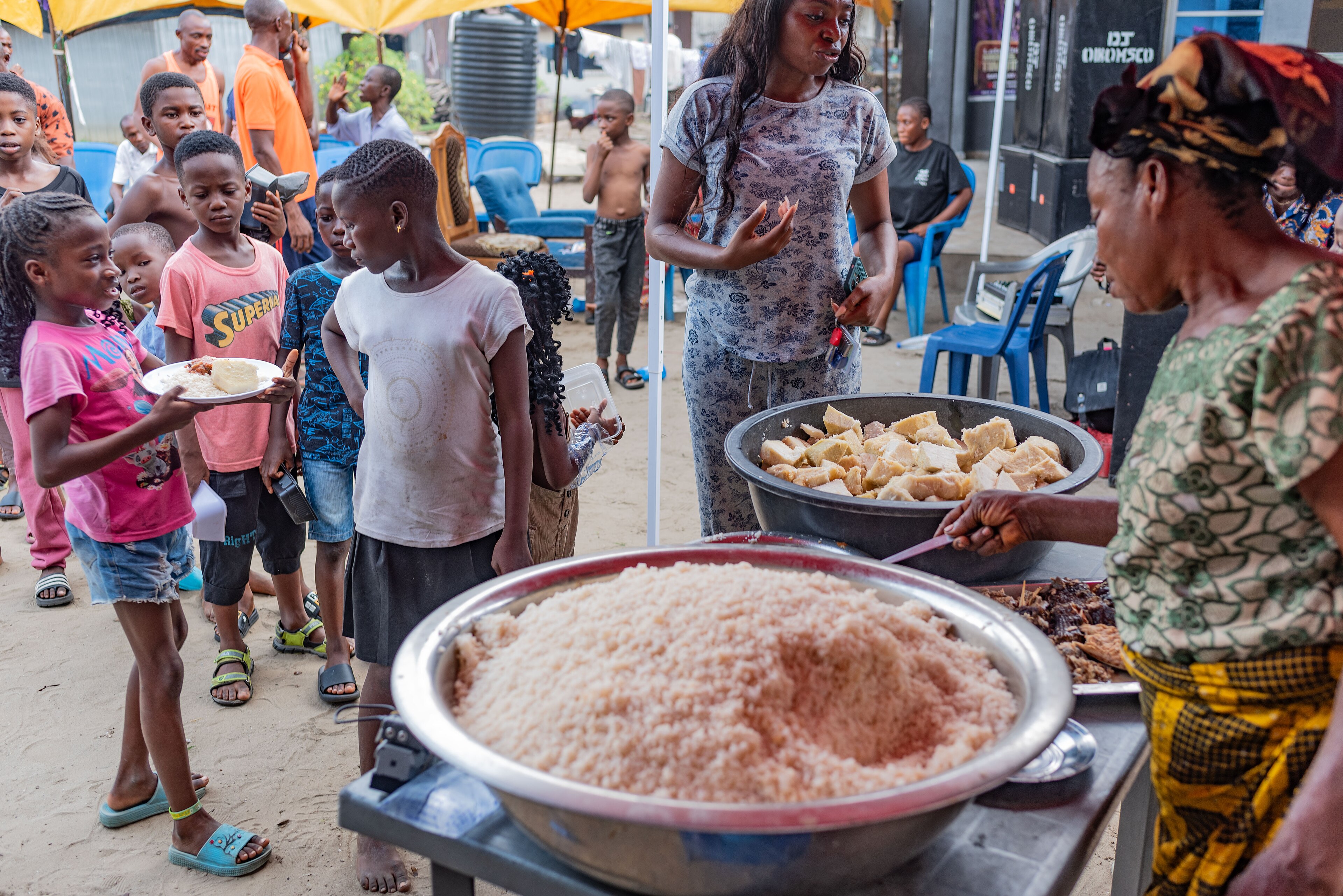
Nigerian states are beginning to put real money behind child nutrition, a quiet but consequential front in the country's wider food-security struggle. The Nasarawa State Governor, Abdullahi Sule, approved the release of ₦500 million as a counterpart fund to strengthen efforts against severe acute malnutrition among children, according to Voice of Nigeria. The commitment was made during a visit by a delegation from the United Nations Children's Fund, and confirmed as a counterpart matching fund by the Federal Ministry of Information and National Orientation.
The Scale of the Need
The numbers behind the pledge are stark. The Chief of UNICEF's Kaduna Field Office, Dr Gerida Birukila, said an estimated 25,000 children in Nasarawa require urgent treatment for severe acute malnutrition, and that a five-day outreach across selected local government areas identified 103 children suffering from severe wasting, according to Voice of Nigeria. She noted that treating a single affected child with ready-to-use therapeutic food costs around $60, roughly ₦60,000 to ₦70,000, a figure that multiplies quickly across tens of thousands of cases.
A National Fund Takes Shape
Nasarawa's move is part of a broader financing push. Twenty states invested a combined ₦7.1 billion through the Child Nutrition Fund between 2023 and 2026, and the federal government committed a further ₦1.2 billion, enabling the procurement of nutrition commodities and expanded treatment for severe acute malnutrition, according to Leadership. Stakeholders have urged all states to adopt the fund and close financing gaps, warning that delays in releasing approved money cause supply shortages of life-saving commodities, according to the News Agency of Nigeria.
Tied to the Wider Food Crisis
The nutrition emergency sits inside a larger food-security picture. UNICEF reported that about 3.5 million Nigerian children were expected to suffer from severe acute malnutrition during the 2025 lean season, while the World Food Programme has warned that nearly 35 million people could face acute food insecurity during the 2026 lean season, even as donor support declines, according to Nigeria Health Watch. Experts say nutrition must move to the centre of planning as Nigeria implements its National Policy on Food and Nutrition for 2026 to 2035, according to Leadership.
When families cannot afford or access nutritious food, the youngest pay the steepest price. FoodPrices Nigeria tracks verified retail prices across Lagos markets, a window into the affordability pressures that sit behind the country's nutrition challenge.