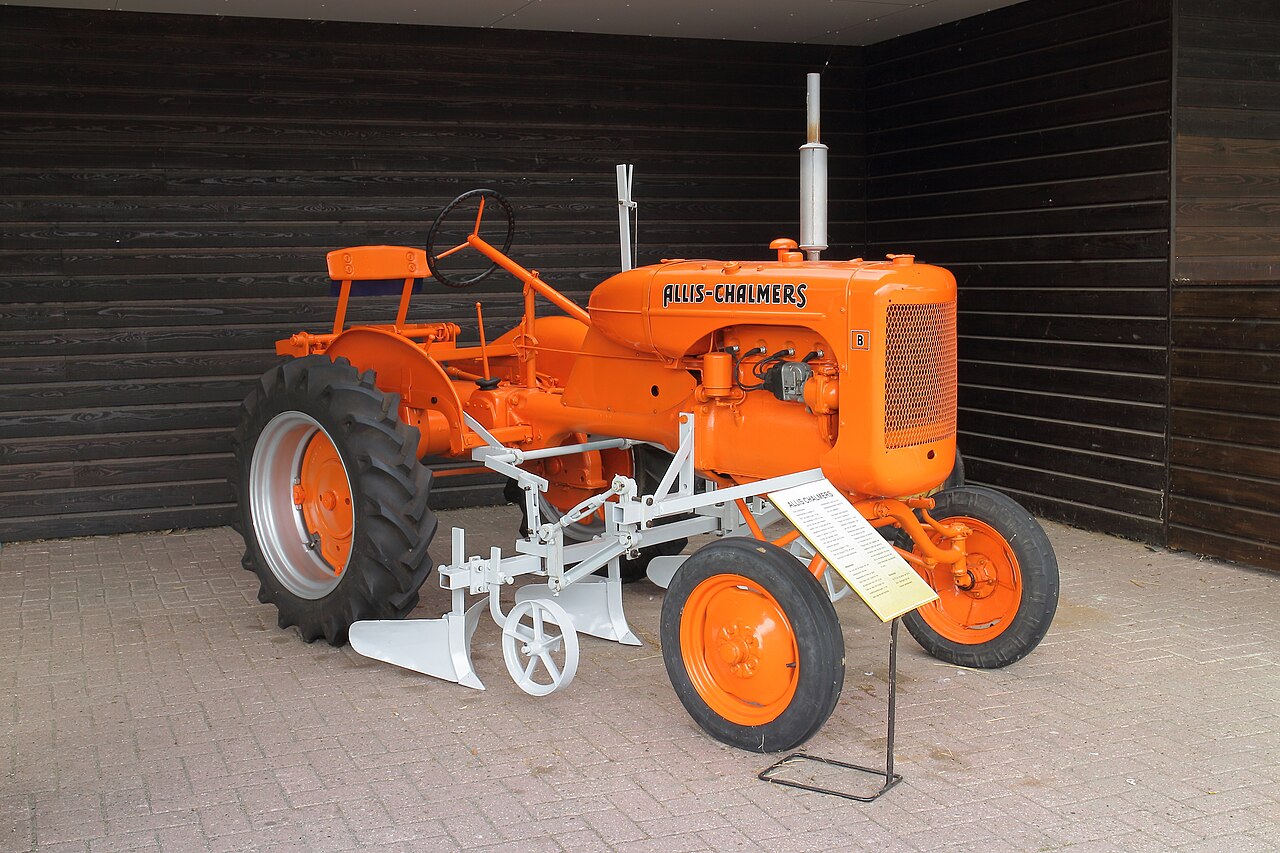
Nigeria wants to stop importing the tractors it needs and start building them at home. The Federal Government and TracTrac MSL on Wednesday, August 12, 2026, unveiled the National Agricultural Mechanisation Policy and the National Agricultural Mechanisation Investment Strategy in Abuja, aimed at accelerating food production and strengthening food security, according to Vanguard. At the centre of the plan is a proposed mega tractor assembly plant with capacity to produce between 2,000 and 4,000 tractors a year, according to BusinessDay.
From Handouts to an Industry
The Minister of Agriculture and Food Security, Senator Abubakar Kyari, said the policies would serve as major drivers of the country's food security and agricultural transformation, and that Nigeria must move from fragmented public interventions toward a commercially viable, private-sector-led mechanisation ecosystem, according to Tribune Online. He said the investment strategy would provide a framework for attracting capital, technology, skills and entrepreneurship into the agricultural machinery and services market, and would reduce the country's dependence on imported farm machinery. Kyari added that closing the mechanisation gap would raise productivity, create jobs and strengthen Nigeria's capacity to produce food for domestic use and for regional and global markets, the same report noted.
A Plant, and a Task Force
The unveiling came at a High-Level National Policy Dialogue on Agricultural Mechanisation, and the launch was followed by the inauguration of an implementation task force, signalling that the work was beginning rather than ending with the documents, according to Daily Trust. The event drew senior officials including the governor of Borno and the deputy governor of Katsina, and the Chief Executive of TracTrac Mechanisation Services Limited, Godson Ohuruogu, said the ratification of the policy was a major step toward making mechanisation accessible to smallholder farmers, the same account reported. The Voice of Nigeria confirmed the government framed sustainable mechanisation as central to its ambition of national food sovereignty, according to Voice of Nigeria.
Why It Matters
Nigeria has long leaned on imported machinery and scattered state handouts, from rent-to-own tractor schemes to training programmes, so a domestic assembly plant paired with a private-investment framework marks a different approach, one designed to build a lasting supply of affordable machines rather than a one-off distribution. Local assembly, if it takes hold, could lower the cost of ploughing, planting and harvesting that pushes up the price of food. FoodPrices Nigeria tracks verified retail prices across Lagos markets, the ground-level measure of whether cheaper mechanisation eventually shows up in what households pay.
#Mechanisation, #Tractors, #Agriculture, #FoodSecurity, #Nigeria, #Lagos, #FoodPrices, #Investment, #TracTrac, #Policy