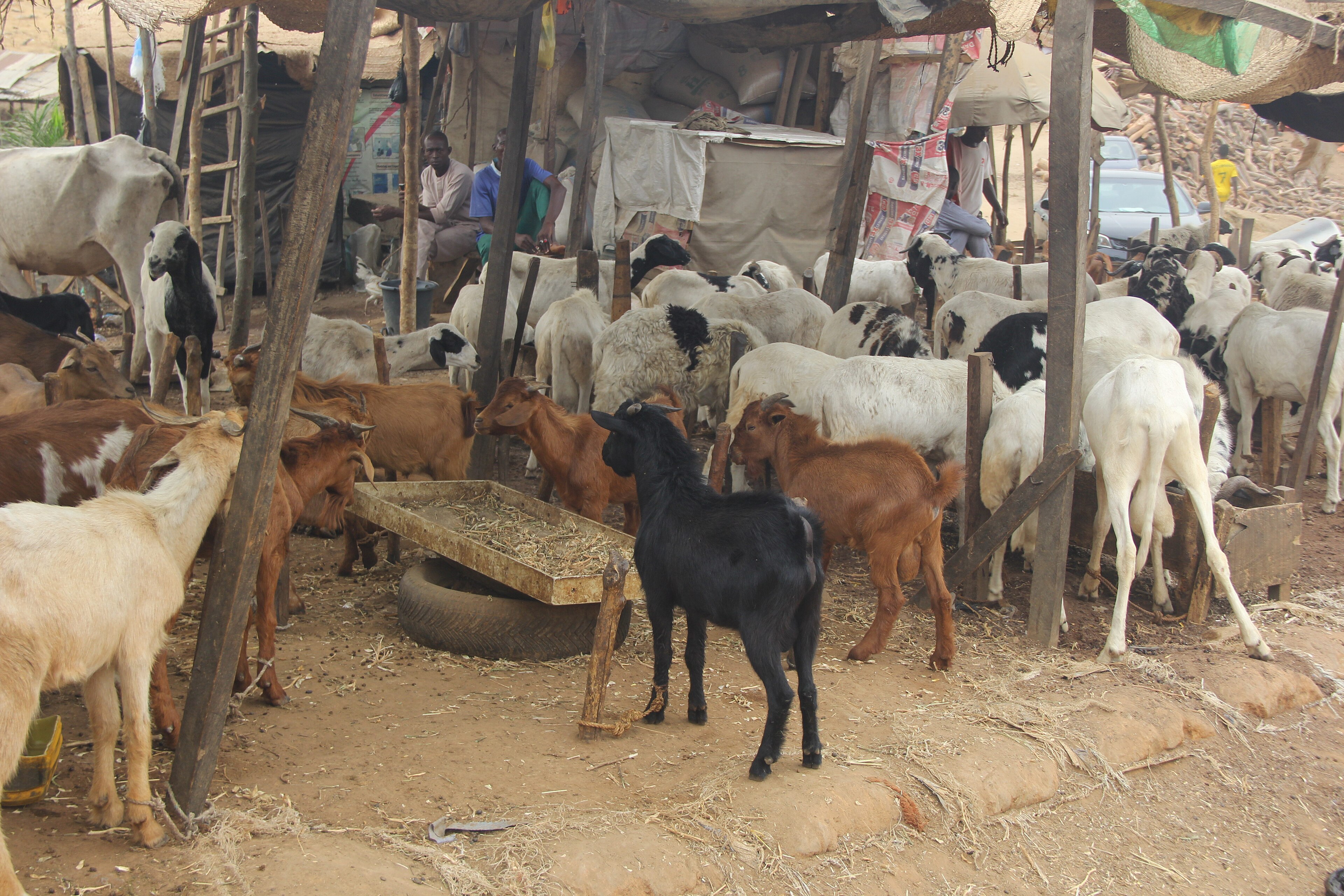
Few countries are as rich in goats as Nigeria, and few make so little of that wealth. The country holds the largest small ruminant herd in Africa, with about 73.8 million goats and 42.1 million sheep, mostly indigenous breeds concentrated in the north, according to a livestock assessment by CSIRO. Yet that vast herd still does not feed the nation the goat meat it craves.
A Gap Filled by Imports
Demand outpaces local supply by a wide margin. Nigeria consumed roughly 365,000 tonnes of goat meat in 2023 but met only about 30 per cent of that from local production, importing the rest largely from Sudan, Niger, Chad and South Africa, according to BusinessDay, which cited World Bank data showing the country brought in about $1.33 million worth of goat meat in 2022. Goat meat is a fixture at weddings, naming ceremonies and festivals, and prices climb during festive seasons, keeping demand steady all year.
Why the Herd Underperforms
The problem is not the number of animals but the system around them. Small ruminants are mostly raised by smallholders and pastoralists in low-input, low-yield systems, and the meat and milk value chains remain poorly developed, according to CSIRO, which counts about 13 million people working in the value chain. Better breeds command far higher prices, with local goats selling for tens of thousands of naira while crossbreeds and exotics fetch several times more, according to BusinessDay, a spread that rewards farmers who invest in genetics, vaccination and nutrition.
A Growing Market
The pressure will only intensify. The Food and Agriculture Organisation has projected that demand for goat meat and mutton could rise by about 216 per cent by 2050 while supply grows by only 159 per cent, according to CSIRO, a widening gap driven by population growth, rising incomes and changing tastes. Closing it would mean better breeding, stronger veterinary services and more organised markets, turning a huge but scattered herd into a reliable domestic meat supply.
FoodPrices Nigeria tracks verified retail prices for proteins and staples across Lagos markets, where the distance between Nigeria's herd size and its meat supply is felt in the cost of a pot of soup.