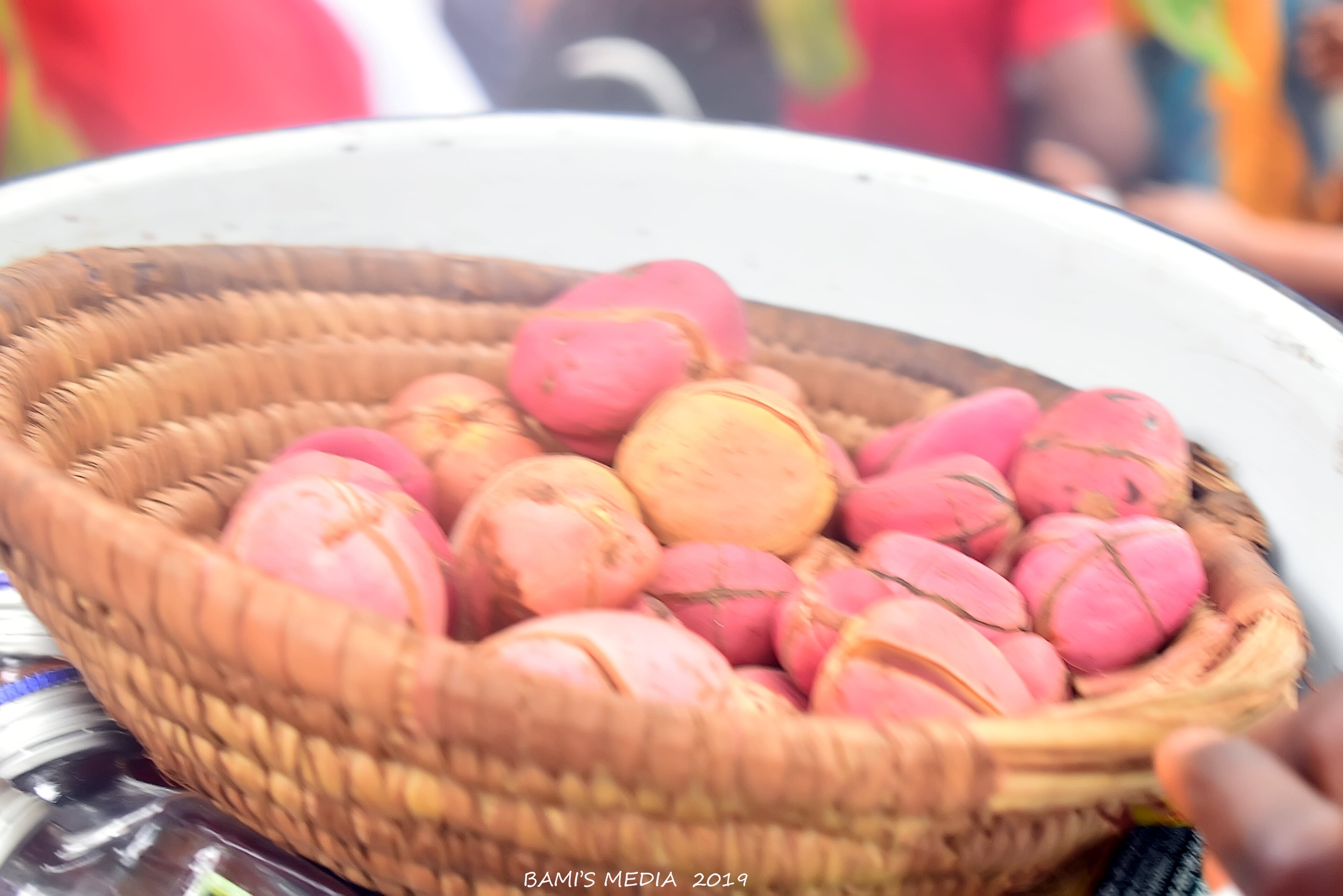
Few crops are as culturally rooted in Nigeria as the kola nut, and few are as underdeveloped as a formal business. Nigeria leads the world in both consuming and producing kola nut, part of a global market that reached about $340 million in 2024 and is projected to climb toward $821 million by 2035, according to market analysis from IndexBox. Despite that scale, much of the value passes through informal channels.
A Regional, Informal Trade
Kola nut is a caffeine-rich seed traded mainly for chewing, with limited use in flavour and extract applications, and global production is concentrated in Nigeria, Cote d'Ivoire and Cameroon, according to market data compiled by Tridge. The trade is often regional and relationship-based, moving through networks of pickers, assemblers and traders rather than formal export pipelines, which limits how much value producers ultimately capture.
Quality and Value Left on the Table
Handling is a persistent weakness. Postharvest curing and storage are central to whether kola nut stays marketable, because quality changes during curing and stored nuts are vulnerable to pest attack, as the same market overview notes. A study of kola nut production and marketing in the Sagamu area of Ogun State documented the crop's role in farmer incomes and food security while pointing to weak processing and marketing channels, according to research indexed by Academia. Better curing, grading and processing into extracts for beverages and pharmaceuticals could lift returns.
Turning a culturally prized crop into a properly valued export would support farming communities and the wider rural economy. FoodPrices Nigeria tracks verified retail prices across Lagos markets and follows the commodities and value chains that shape what Nigeria grows, sells and eats.