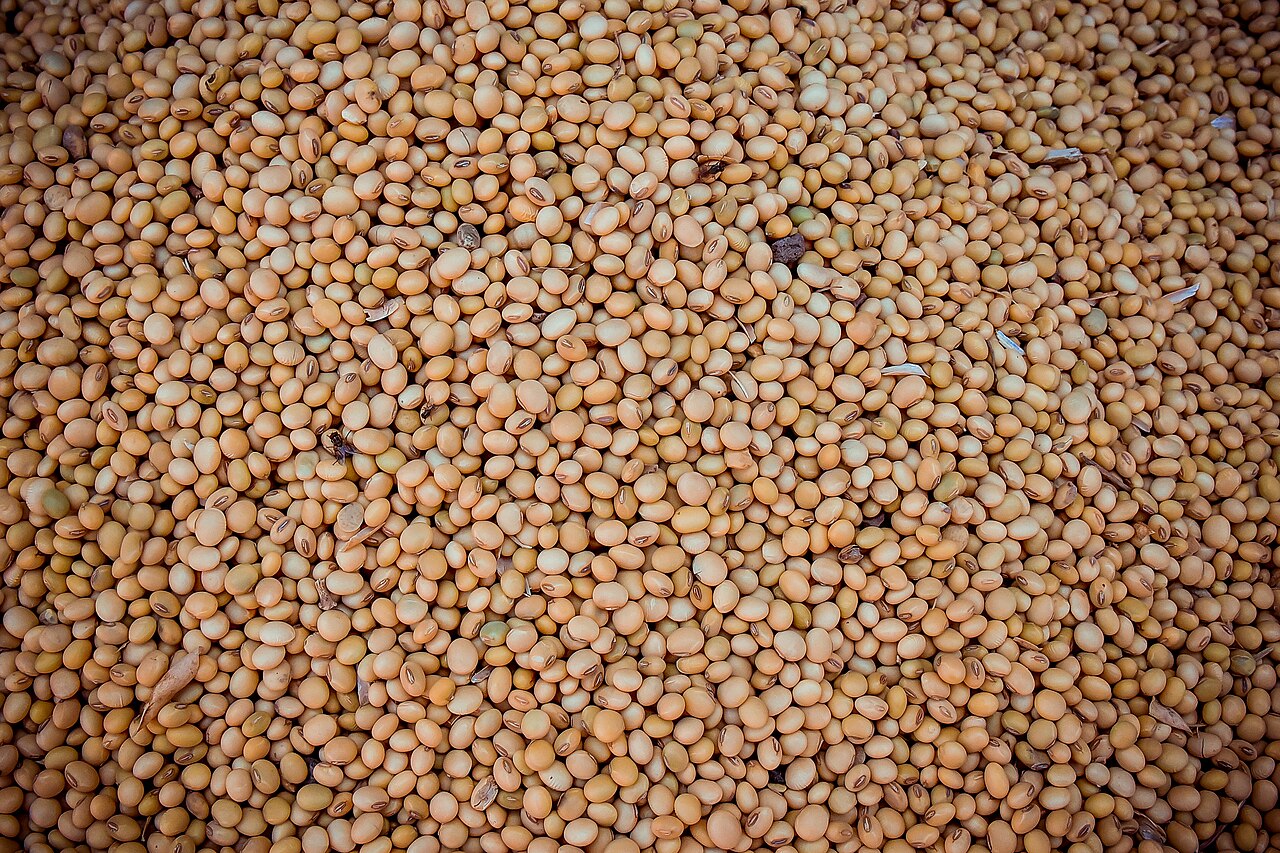
One of the crops best suited to a hotter, drier Nigeria is one the country barely promotes. The bambara nut, known botanically as Vigna subterranea, is the legume behind okpa, the steamed pudding that is a beloved street food in Igbo cuisine, and it is also cooked into akara, moin-moin, flour and even bread, according to a review published in the National Library of Medicine. It is the third most-eaten legume in sub-Saharan Africa after groundnut and cowpea, the same review noted, yet it commands a fraction of their attention.
Built for Hard Ground
What makes bambara nut valuable is its toughness. The crop thrives in marginal soils with minimal inputs, tolerates drought and fixes nitrogen in the soil, making it a resilient option for regions where climate change is deepening agricultural risk, according to a 2025 review in Frontiers in Sustainable Food Systems. Its seeds are nutritionally dense, carrying high levels of carbohydrates, quality protein, essential minerals and fatty acids, which positions it as a genuine candidate for tackling food and nutrition insecurity, the same review found.
Underused Despite the Promise
Even with those credentials, bambara nut remains significantly underutilised compared with legumes such as soybean and cowpea, according to Frontiers in Sustainable Food Systems. Part of the reason is the labour it demands, since the hard seeds require long cooking times and are difficult to mill, drawing heavily on firewood and water, constraints documented in a baseline study of bambara processing carried by the National Library of Medicine. Better milling and processing techniques would make the crop far easier to bring to market.
A Climate Warning, and a Research Push
The crop's reputation for resilience should not be taken for granted. Rising temperatures and erratic rainfall have caused significant bambara groundnut crop losses in Nigeria in recent years, since heat stress and inconsistent early-season rain can impair germination even in a drought-tolerant plant, according to research in Plant and Soil. Scientists at the International Institute of Tropical Agriculture and partner institutions have been studying the crop's genome to unlock higher yields and stronger resilience, according to a review in Frontiers in Plant Science, work that could turn a subsistence bean into a mainstream protein.
As beans and other proteins strain household budgets, a cheap, hardy legume that grows where staples fail is worth far more attention than it gets. FoodPrices Nigeria tracks verified retail prices for beans and staples across Lagos markets and follows the resilient crops that could steady food supply in a changing climate.
#BambaraNut, #Okpa, #Legumes, #FoodSecurity, #ClimateResilience, #Nigeria, #Lagos, #FoodPrices, #Nutrition, #Agriculture