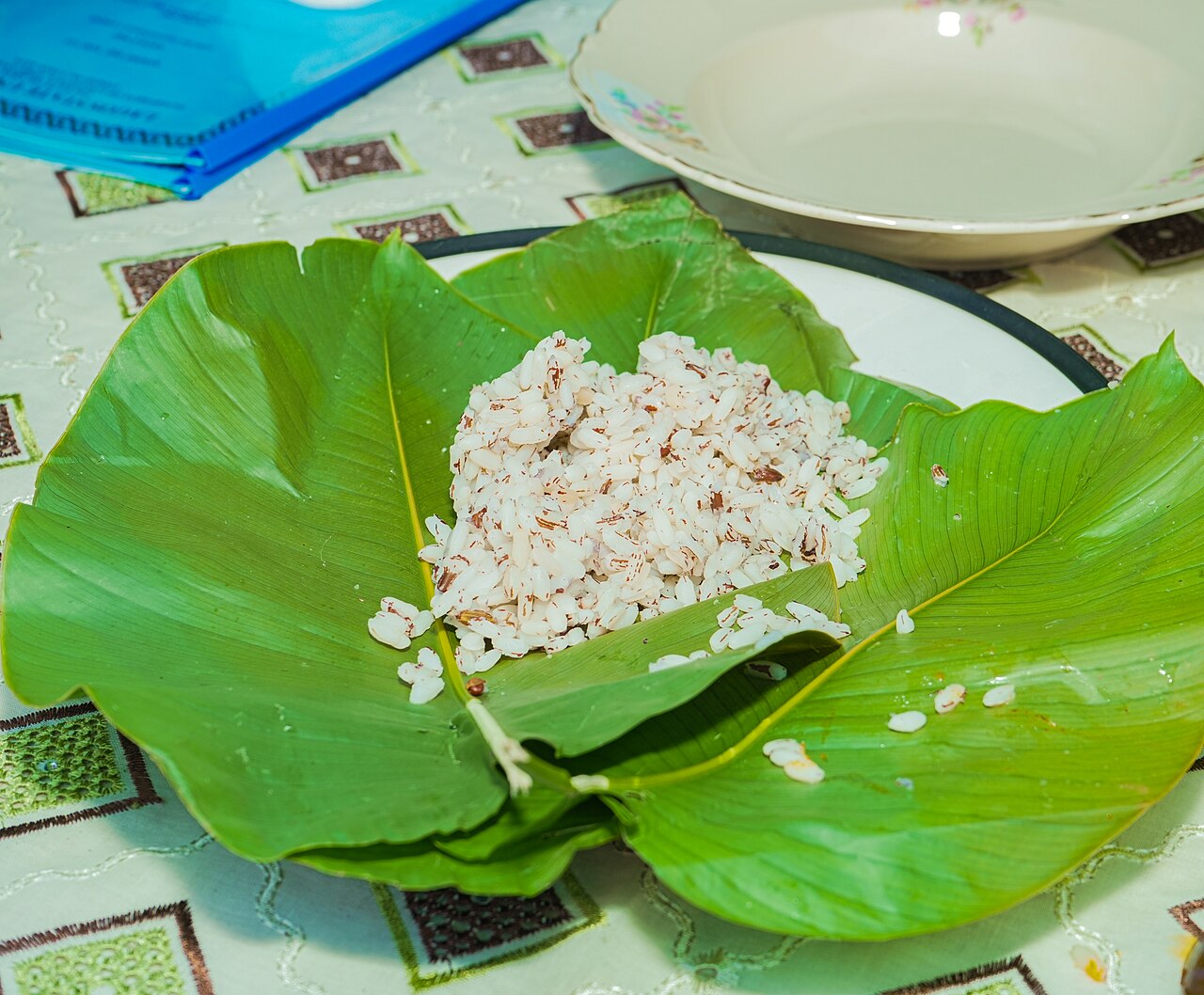
Ofada rice, the aromatic, unpolished grain that has climbed from village staple to restaurant delicacy, is now at the centre of a push to give Nigerian foods legal protection tied to where they come from. Ofada rice derives its reputation from the Ofada community in Ogun State, and its combination of geographical origin and traditional processing strengthens its qualification as a Geographical Indication, a legal status that protects products with a specific origin and reputation, according to Society Reporters.
What a Name Is Worth
A Geographical Indication ties a product's identity to its place and the human expertise behind it, much as Champagne or Darjeeling are protected elsewhere. Unlike highly polished imported rice, Ofada is traditionally processed using methods that preserve its natural appearance, flavour and nutritional value, and it is this blend of origin and craft that underpins the case for protection, according to Society Reporters. For farmers, a protected name is a shield against imitation and a route to premium pricing that stays in the producing communities.
An Untapped Premium Grain
Ofada is one of several indigenous rice brands, alongside Igbemo, Abakaliki and Ekpoma, that are more than culinary staples and could serve as a sustainable alternative to imported rice, according to The Cable. Because these varieties retain their bran and germ layers, they qualify as nutrient-dense whole grains, and rising global demand for indigenous grains such as quinoa, fonio and teff suggests Nigerian local rice could attract international interest, the same report argued. Their distinct aroma, taste and nutritional profile make them valuable beyond local markets, positioning them as potential premium products abroad, according to a separate analysis of export strategies for Nigerian rice.
The Barriers to Beat
Turning that potential into income means fixing basic gaps. Unlocking the market will require targeted investment in milling and destoning technology to improve quality control and standardisation, according to The Cable. Land pressure is another threat, with farmland in traditional Ofada-growing areas increasingly converted to housing estates, reducing the area available for cultivation, the same analysis warned. Ogun State, whose Ofada town gives the grain its name, has been moving toward large-scale rice production it projects could add tens of billions of naira to internal revenue, according to Punch.
A protected, premium indigenous grain keeps value in Nigerian farming communities and offers shoppers a home-grown alternative to imported rice. FoodPrices Nigeria tracks verified rice prices across Lagos markets and follows the branding and policy moves that shape what local grains are worth.
#OfadaRice, #Rice, #GeographicalIndication, #Heritage, #Nigeria, #Lagos, #FoodPrices, #Agriculture, #Exports, #Farmers