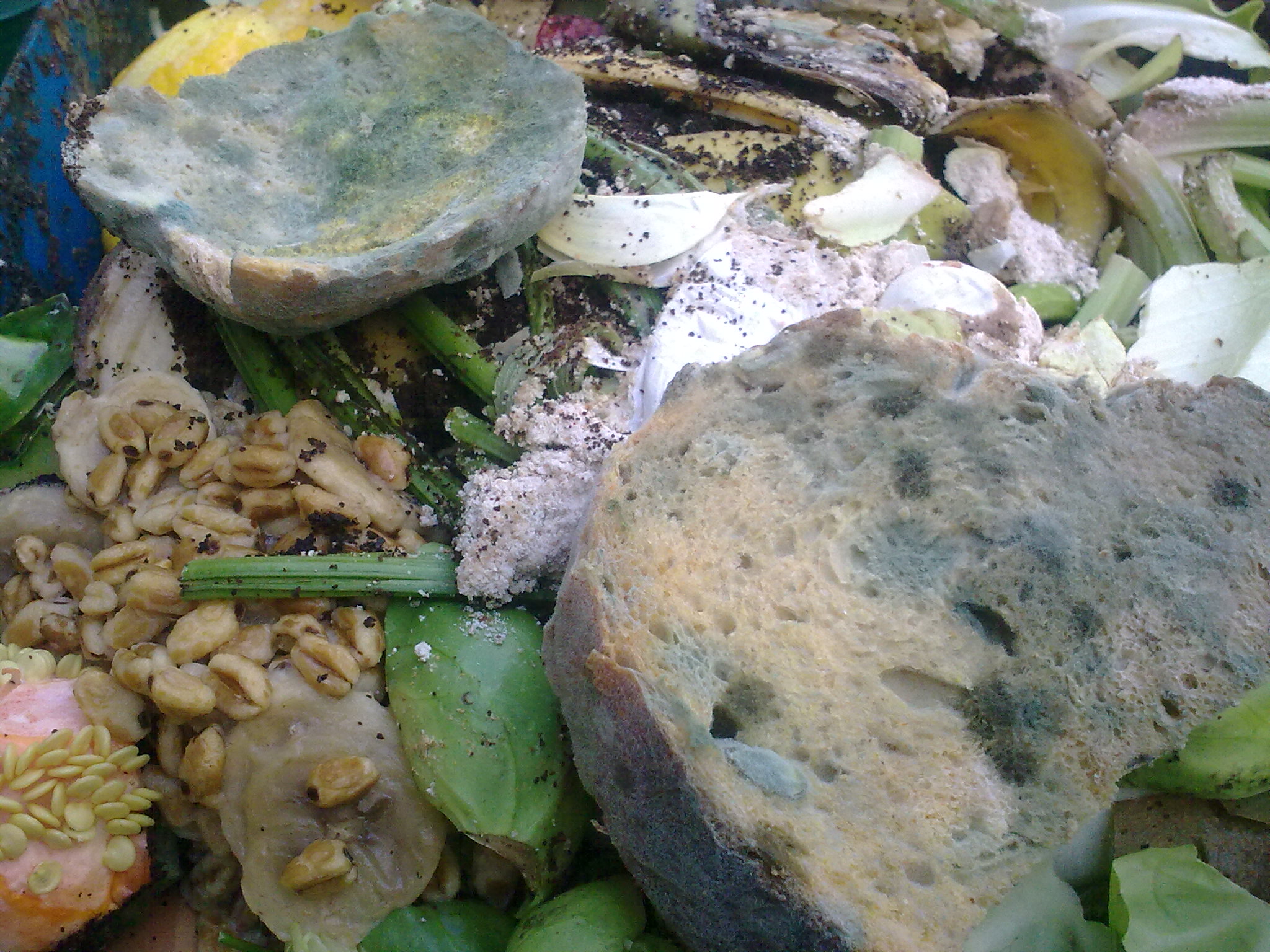
A new report by Rome Business School Nigeria has found that Nigeria loses approximately ₦5 trillion worth of food annually to waste and spoilage, driven by weak cold chain infrastructure, poor storage systems, and deep inefficiencies across the country's agricultural supply chain. New Dawn Nigeria reported on 25 May 2026 that the study, titled "The Food Sector in Nigeria: Consumption Patterns, New Business Models, and Emerging Opportunities," identifies growing concerns over food losses and affordability challenges despite significant investment opportunities within the sector.
The Scale of the Waste
The report estimates that Nigeria loses approximately 35 million metric tonnes of food every year, equivalent to roughly 50% of its perishable food production. That figure aligns with estimates from multiple sources. The Guardian reported in March 2026 that approximately 50% of food produced in Lagos State alone never reaches consumers due to supply chain inefficiencies, citing Origin Tech Group's Executive Chairman Prince Samuel at a corporate farming initiative launch in Lagos. Punch separately reported estimates putting national food waste at 38 million metric tonnes annually, the highest figure in Africa. The variation in estimates reflects differing methodologies, but the directional finding is consistent across all sources: enormous quantities of food that could feed Nigeria's population are destroyed before reaching a plate.
How Waste Shapes What Households Pay
The Rome Business School Nigeria report documents how the combination of supply waste and rising costs has reshaped the daily purchasing decisions of ordinary Nigerians. Many households now spend up to 70% of their income on food, and sachet-based purchasing of essential products has become a dominant coping mechanism as consumers can no longer afford larger unit sizes. The rise of sachet consumption reflects a structural deterioration in purchasing power rather than a preference shift, the researchers argue. Nigeria's food inflation rose to 16.06% year-on-year in April 2026, surpassing headline inflation for the first time in eight months and adding renewed pressure to household food budgets that have been squeezed for two consecutive years.
Where Food Is Lost
Post-harvest losses are the single largest driver of Nigeria's food waste problem. BusinessDay has documented that post-harvest losses claim up to 50% of agricultural produce before it reaches consumers, with tomatoes, vegetables, fruits, and fish particularly vulnerable. Nigeria's Ministry of Agriculture has previously estimated that approximately 700,000 tonnes of tomatoes rot as waste every year due to inadequate storage and transportation. The economic cost runs into trillions of naira annually across all crops, reflecting the absence of cold chain infrastructure, processing facilities, and reliable rural roads that together determine how much of what is harvested actually reaches a market.
The Paradox of Hunger Alongside Waste
The ₦5 trillion waste figure sits alongside a food insecurity projection that is among the most alarming in Nigeria's recent history. The FAO has projected that 34.7 million Nigerians will face Crisis or worse levels of acute food insecurity between June and August 2026, with more than 5.4 million children facing acute malnutrition. The coexistence of mass food waste with mass food insecurity reflects what analysts have described as a coordination failure. BusinessDay has argued that Nigeria does not lack aggregate food production so much as it lacks the infrastructure and logistics systems to move food from surplus zones to deficit zones before it spoils, and that the tools to close that gap already exist and need deployment at scale.
A Sector Still Growing Despite the Challenges
Despite the structural problems, the Rome Business School Nigeria research notes that Nigeria's foodservice industry is projected to expand from $12.37 billion in 2026 to $21.38 billion by 2031, driven by urbanisation, changing lifestyles, and the growing adoption of mobile payment systems among informal food vendors. More than 60% of informal food vendors now reportedly use mobile payment systems, integrating small businesses into the digital economy even as physical logistics infrastructure remains weak. The gap between a rapidly growing food market and a food system that loses half its produce to waste defines the central investment opportunity and the central policy challenge in Nigerian food for the rest of this decade.
FoodPrices Nigeria tracks verified retail prices across Lagos markets, providing the granular data that policymakers, traders, and households need to understand where the cost burden falls when food waste reduces supply and pushes prices higher.