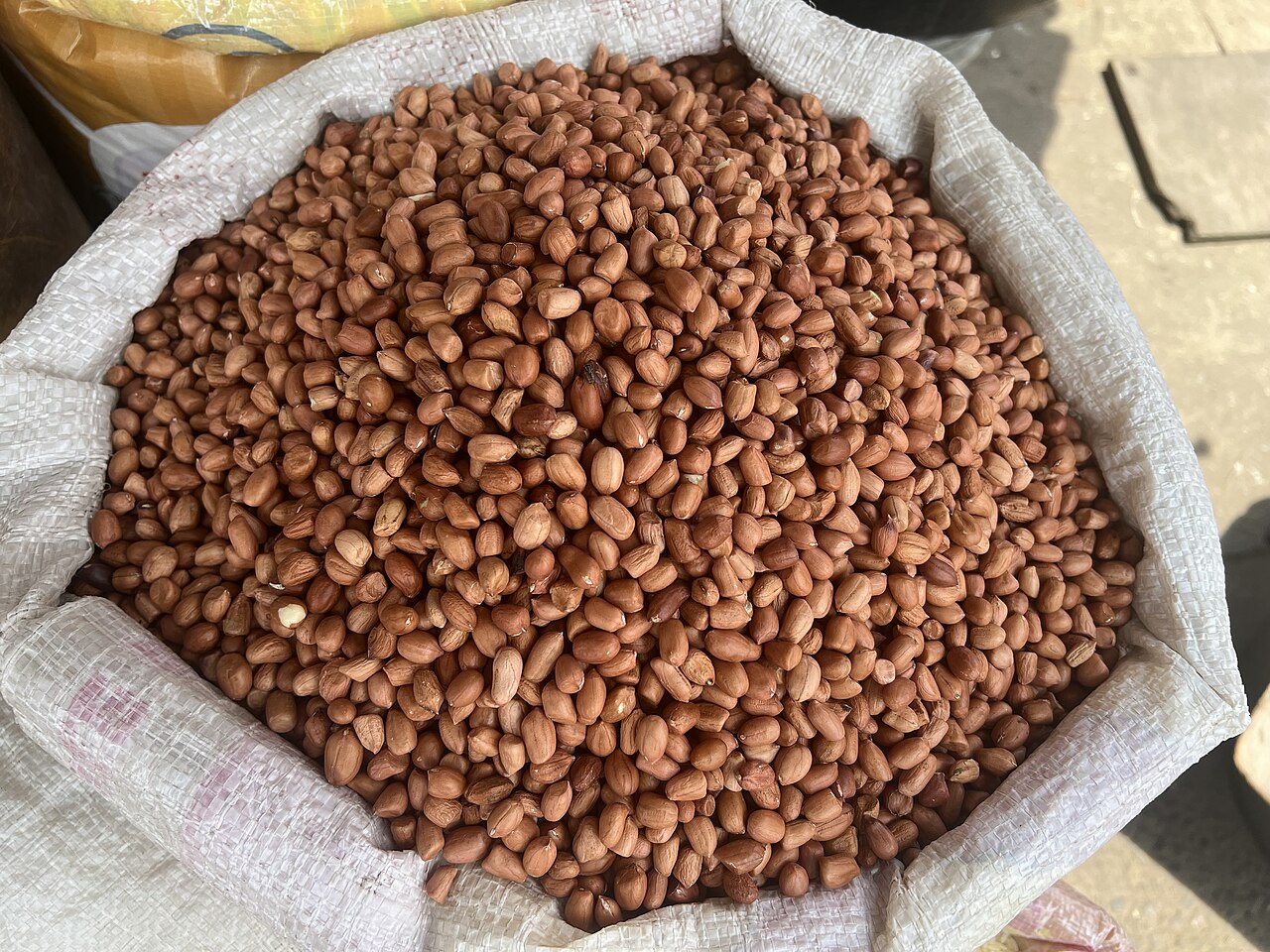
Nigeria grows more groundnuts than any other country in Africa, yet it still buys processed groundnut products from abroad, a contradiction that sums up the gap between how much the country farms and how little value it keeps. Nigeria accounts for about 44 per cent of West Africa's groundnut volume, at roughly 4.3 million tonnes, according to a regional market analysis by IndexBox. The crop is woven through the national diet, roasted and fried as a snack and processed into peanut butter, kuli-kuli and a groundnut soup that stands in for egusi, and it is the second-largest contributor to the country's vegetable oil pool at about 23 per cent, according to BusinessDay.
A Big Harvest, a Small Cheque
Despite that scale, the sector runs a deficit in processed form. Nigeria exported about $1.2 million worth of raw groundnuts in 2023 while its groundnut imports exceeded $6.6 million the same year, according to BusinessDay, citing World Integrated Trade Solutions data. The lost value is not trivial, since processed groundnuts can generate more than twice the profit of raw ones depending on the product and scale, the same report noted.
The Mould That Shuts Doors
The single biggest barrier is quality. Poor storage has left Nigeria with some of the highest aflatoxin contamination in groundnuts anywhere, often above 20 micrograms per kilogram, five times the European Union safety limit of four, with studies showing that 30 to 50 per cent of samples from major producing states are contaminated, according to BusinessDay. Aflatoxin is a toxic mould that infects oilseeds such as groundnuts when they are poorly dried or stored, and it is precisely the kind of defect that gets a container rejected at a foreign port. The director of administration at the All Farmers Association of Nigeria, Chinedu Agbaji, said poor storage systems and low value addition are stifling the sector's growth, while the president of the Integrated Groundnut Farmers Association of Nigeria, Emmanuel Udeogu, said poor infrastructure and low-quality varieties have already cost his members export deals, the same report noted.
Where the Crop Grows, and Who Processes It
Groundnut thrives across Nigeria's northern savannah, with production concentrated in states such as Kano, Kaduna, Katsina, Sokoto and Bauchi, according to IndexBox. The domestic processing space is thin but growing, with players including Olam, the Gyada Oil Processing Mill and the recently launched Arjena Foods crushing groundnuts for edible oil and cake, according to BusinessDay. Demand for branded, processed groundnut products is rising with urbanisation, creating pockets of opportunity for consumer goods, the IndexBox analysis found.
Groundnut oil and paste sit on Nigerian shopping lists every week, so a sector that under-processes its own harvest leaves households exposed to imported substitutes and price swings. FoodPrices Nigeria tracks verified retail prices for oils and staples across Lagos markets and follows the value chains that decide how much of a crop's worth stays in the country.
#Groundnut, #Peanut, #Aflatoxin, #AgroProcessing, #FoodSecurity, #Nigeria, #Lagos, #FoodPrices, #ValueAddition, #Agriculture