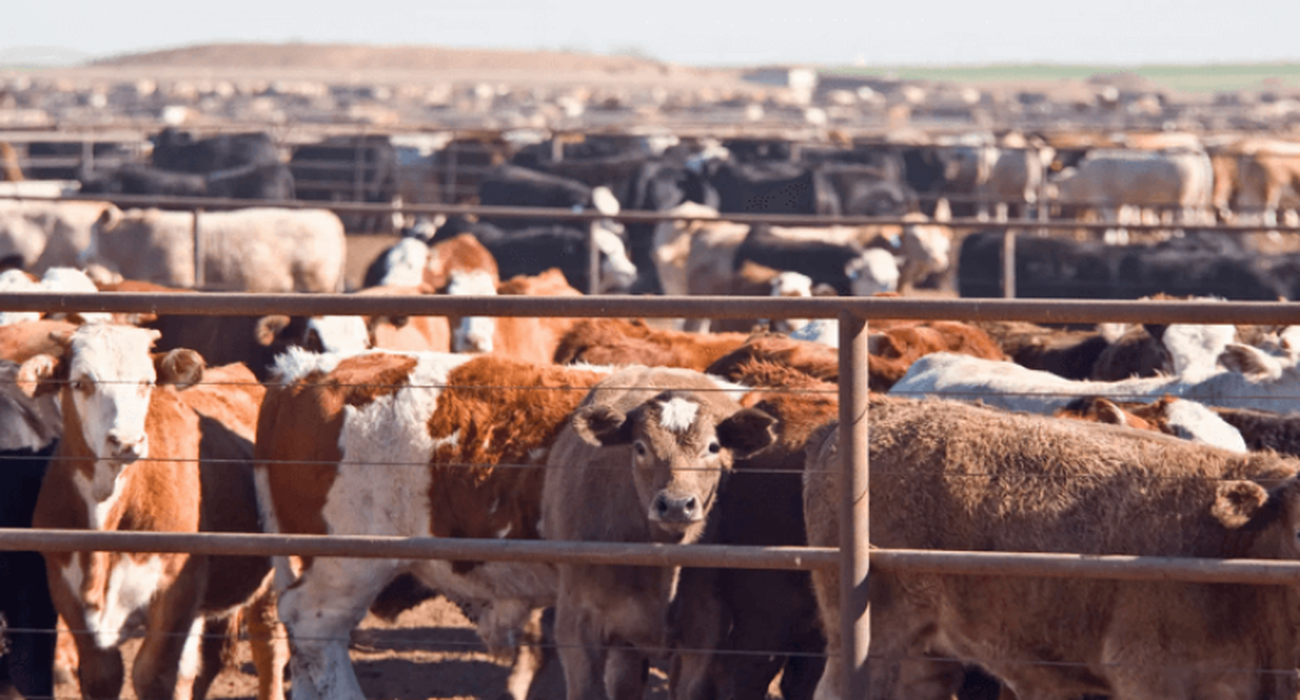
Nigeria has thrown its weight behind a continental push to rebuild Africa's livestock economy, joining ministers and representatives from seven other countries who agreed to strengthen regional value chains, unlock investment and expand cross-border trade, according to African Newspage. The commitments were made at the Second Ministerial Deep Dive on Livestock, convened by the African Union Inter-African Bureau for Animal Resources and the International Livestock Research Institute at the Africa Food Systems Forum 2026.
A Continent That Imports Its Protein
The scale of the gap the pact is meant to close is stark. Between 90 and 95 per cent of the milk, beef and poultry consumed in Africa is sourced from outside the continent, while formal intra-African trade stands at only about 16 per cent, according to Social News XYZ. That is despite Africa holding roughly 34 per cent of the world's cattle and 45 per cent of its sheep and goats, with livestock contributing around $210 billion to gross domestic product and supporting close to 800 million livelihoods, the same report noted.
Commitments, Not Communiqués
The ministers, from Nigeria, Uganda, Niger, Mali, Malawi, Rwanda and Ethiopia, left with specific commitments rather than a joint statement, agreeing to pursue tailored investment and financing, break down cross-border barriers to trade and disease, build data and traceability systems, and raise livestock's standing within government, according to African Newspage. Dairy served as this year's case study, with the commitments to be tracked and reviewed at next year's ministerial session, according to the African Union bureau's statement.
For Nigeria, a heavy importer of milk and meat, closing that gap would ease a persistent drain on foreign exchange. FoodPrices Nigeria tracks verified retail prices for eggs, proteins and other staples across Lagos markets, where progress on local livestock supply would eventually reach the shopper.
#Livestock, #Dairy, #Nigeria, #AfricanTrade, #FoodSecurity, #Lagos, #FoodPrices, #Agriculture, #Imports