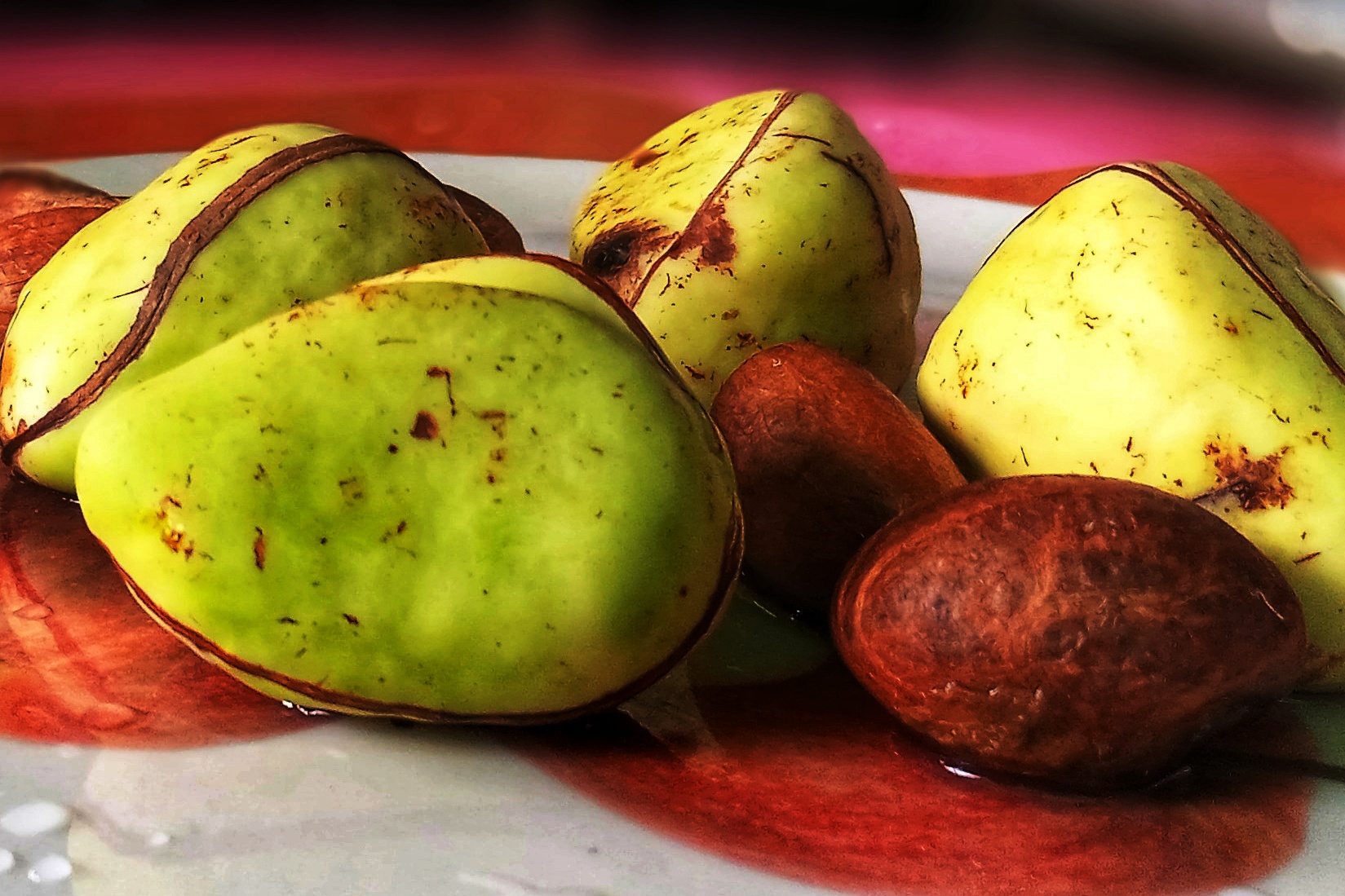
Kola nut sits at the heart of Nigerian hospitality, offered at weddings, naming ceremonies and community gatherings, and the country grows more of it than anywhere else on earth. Yet almost all of that harvest stays home, and the small global trade in kola is dominated by countries that grow a fraction of what Nigeria does.
A Producer That Barely Exports
Nigeria is the world's leading kola nut producer, accounting for well over half of global production, according to a survey of the country's export commodities by Medium, which put annual output at more than 143,000 tonnes. It is also the largest consumer, leading the world with consumption valued at $768 million, according to market data compiled by IndexBox. The export picture is strikingly different. Global kola nut exports were worth only about $6.9 million in 2024, with Cote d'Ivoire, Jamaica and India together making up nearly three quarters of that trade, while Nigeria lagged well behind, the same data showed.
Small Volumes, Untapped Value
Nigeria's own export flows are modest and volatile. The country's kola nut exports recovered in 2024 to around $161,000 across roughly 9.3 million kilogrammes, with Bahrain emerging as a key destination, according to trade data compiled by Deepbeez. Two species dominate cultivation, Cola nitida and Cola acuminata, and Ogun State is among the largest producing areas, though many farmers capture little value because they sell raw nuts without sorting, grading or processing, according to research on the sector published on ResearchGate.
A Neighbour Shows One Path
The contrast with a far smaller producer is instructive. Cote d'Ivoire, whose kola exports fell to about 23,000 tonnes in 2023, has moved to list the crop on a new agricultural commodity exchange to improve pricing, financing and global integration, according to Ecofin Agency. With the global kola market forecast to keep growing toward the end of the decade, according to IndexBox, Nigeria's challenge is to organise, grade and market a crop it already grows in unmatched volume.
FoodPrices Nigeria tracks verified retail prices for staples and cash crops across Lagos markets and follows the commodities where Nigeria leads in the field but trails in the marketplace.