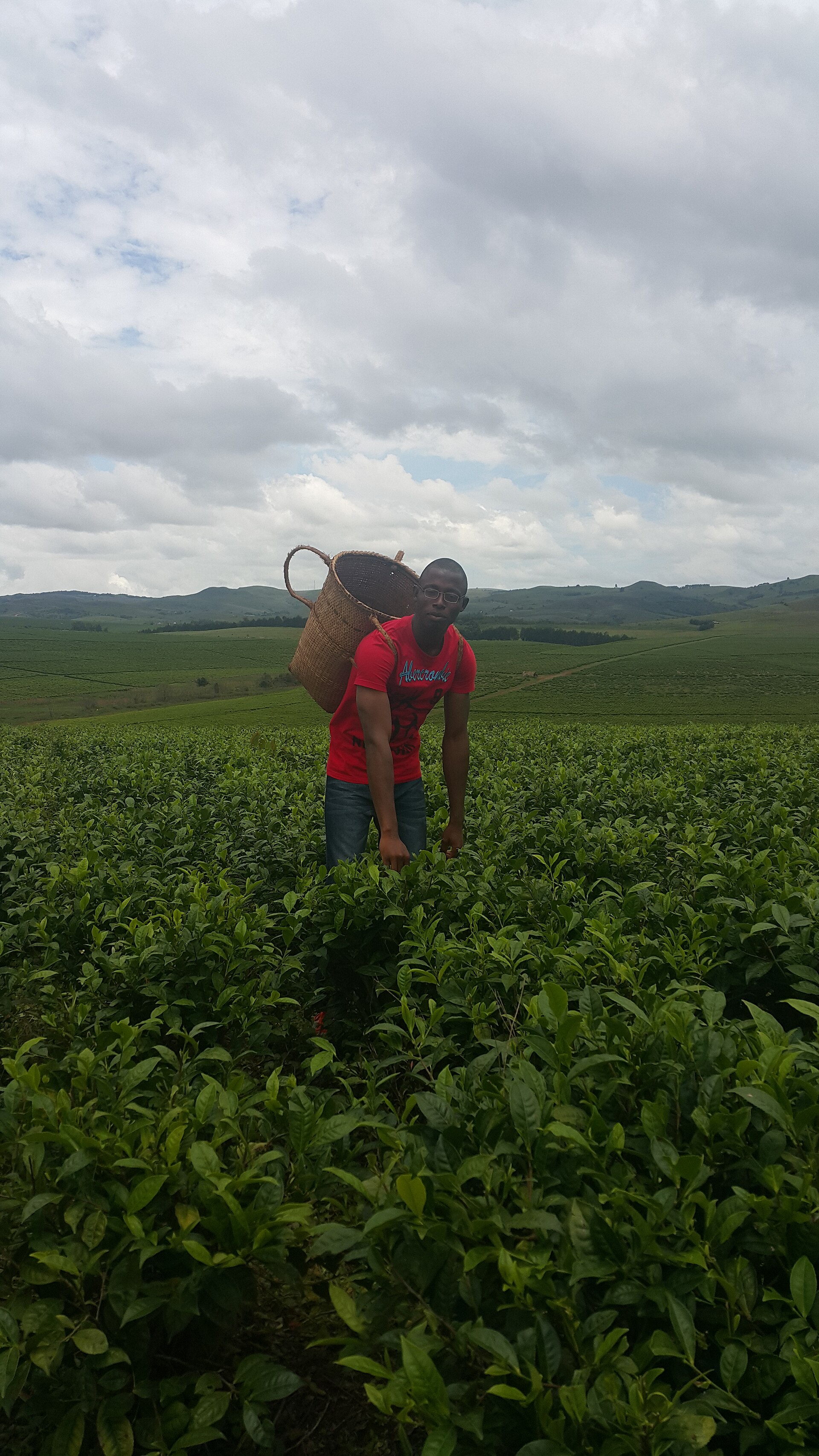
Nigeria is not a country most people associate with tea, yet it grows the leaf on one of West Africa's most unusual highlands and even ranks among the world's tea-producing nations. The catch is that the industry meets only a sliver of national demand, leaving imported brands to fill the cup.
A Plateau Made for Tea
Tea in Nigeria comes almost entirely from the Mambilla Plateau in Taraba State, a high grassland averaging about 1,800 metres that forms the northern continuation of Cameroon's Bamenda Highlands, according to The Sun. The plateau's elevation, cool climate and rich soil suit tea cultivation, and leaves drawn from thousands of farms are processed into the country's flagship black tea, marketed as Highland Tea, the same report noted. Commercial planting began in the early 1980s after the crop was introduced decades earlier, and research institutions have kept and evaluated highland and lowland tea clones sourced from Kenya and China, according to the Cocoa Research Institute of Nigeria.
Ten Percent of the Cup
The scale, though, is modest. Nigeria's average annual tea production is around 1,640 tonnes from roughly 1,200 hectares, enough to meet only about 10 per cent of domestic demand, according to The Sun, which noted that popular imported brands such as Lipton are blended abroad and merely packed in Nigeria. As tea drinking has grown with office culture and health awareness, the shortfall has been covered by imports rather than by expanding local estates.
A State-Owned Champion Under Strain
The flagship producer is Mambila Beverages Nigeria Limited, wholly owned by the Taraba State Government, which took over the assets of a defunct federal-era beverage company and now runs the Highland Tea estate and factory, according to Connect Nigeria. The company launched Highland Tea and Highland Green Tea into the Lagos market in 2019 as a fully Nigerian-made product, the same profile noted. Yet the growers who supply it have found the promise hard to cash in. A report on the plateau's tea belt found farmers who once saw the crop as a path to wealth now struggling, around a roughly 615-hectare estate whose potential remains only partly realised, according to Daily Trust.
An Advantage Waiting to Be Used
Industry watchers argue the raw ingredients for success are already in place. Nigeria's tea market blends the local Highland brand with imported labels and a rising wave of herbal infusions such as hibiscus, ginger and moringa, and the Mambilla Plateau offers both quality leaf and agri-tourism potential that, with investment, could let the country meet its own demand and eventually export specialty teas, according to an industry overview by The Wheatbaker. The gap between that vision and current output is a familiar Nigerian story of a genuine natural advantage left underdeveloped.
Tea sits alongside the beverages and staples that shape household spending, and a stronger domestic industry would keep more of that money at home. FoodPrices Nigeria tracks verified retail prices across Lagos markets and follows the crops where local production could replace imports and steady costs for consumers.