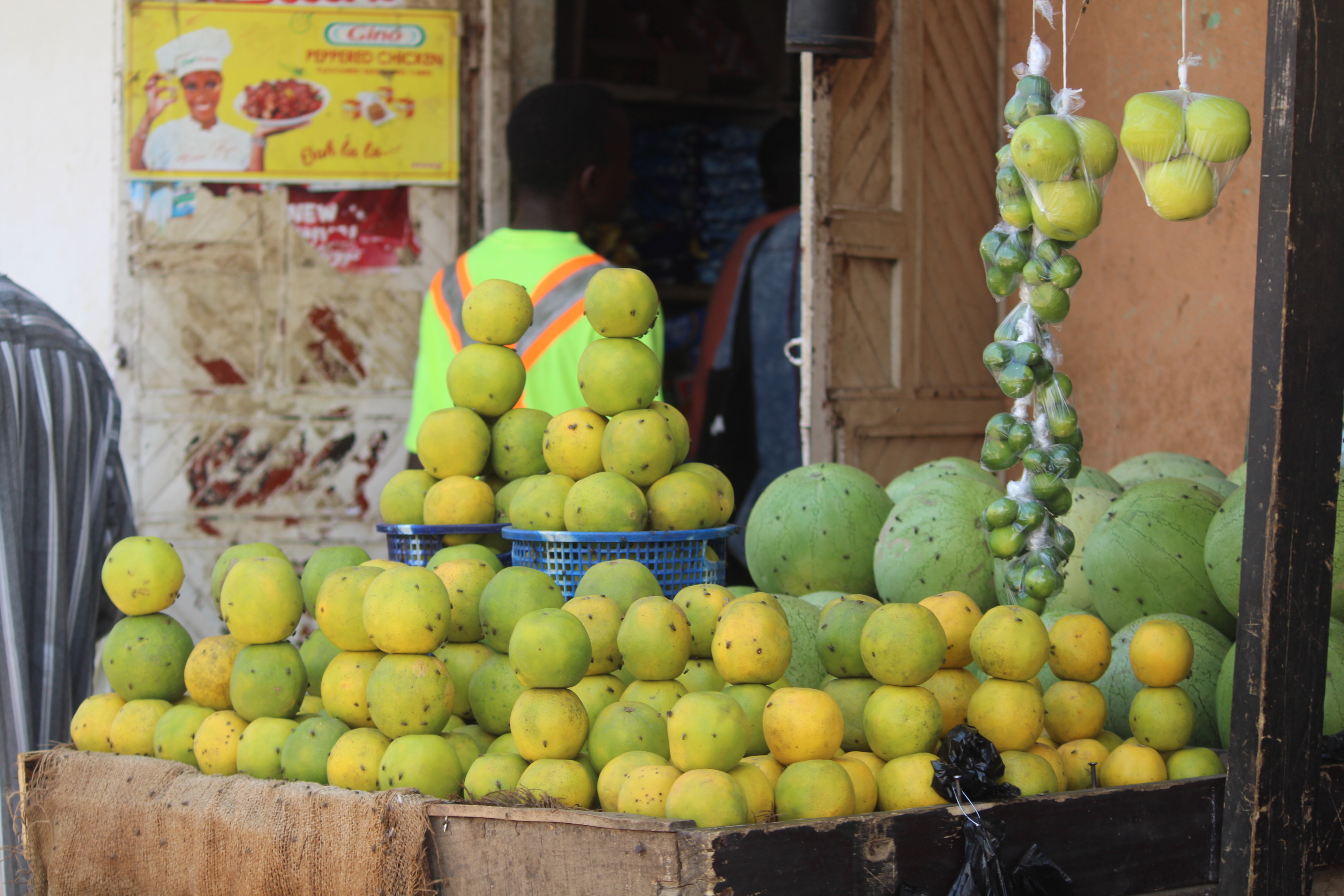
Few crops capture Nigeria's food paradox as sharply as the orange. The country grows more citrus than any other in Africa, yet loses a huge share of the harvest to waste and still imports the juice it could squeeze from its own trees.
Africa's Biggest Citrus Grower
Nigeria produces about 3.4 million tonnes of citrus fruit a year from an estimated three million hectares, ranking as the ninth largest citrus producer in the world and the biggest in Africa, according to an assessment of citrus farming in Nigeria. Sweet oranges have moved from a seasonal treat to a staple in both urban and rural diets, valued for taste as much as nutrition, the same study noted. On paper, that output should make Nigeria a citrus powerhouse.
Half the Harvest Lost
The reality is a river of waste. More than half of the fruit produced is lost in transit between farms and major urban markets, driven by poor roads, a lack of storage and rough handling, according to the same assessment. The losses are avoidable, but weak infrastructure and a preference for selling fresh at distant markets leave much of the crop to spoil before it is eaten. Those losses are part of a national pattern in which Nigeria squanders roughly 38 million tonnes of food each year, much of it at the post-harvest stage, according to The Guardian, which linked the waste directly to higher prices in a country already struggling with food inflation.
The Juice It Buys Instead
The deeper problem is a near-total absence of processing. Citrus in Nigeria is mostly consumed fresh with little value addition, and the lack of processing capacity is the single biggest constraint on the sector, according to research on the citrus value chain, which noted that the Federal Government banned the importation of packaged juice in 2002 and launched a Presidential Initiative on Tropical Fruits in 2005 to spur local production. Decades on, investment in turning oranges into juice concentrate and other products remains thin, even though it offers strong economic returns and would soak up the fruit that currently rots during peak season.
Waste That Feeds Inflation
The cost of all this is not just spoiled fruit. Retailers who sell perishables such as oranges, tomatoes and mangoes routinely lose most of what they buy and pass those losses on to shoppers through higher prices, according to Blueprint, which noted that post-harvest waste consumed tens of millions of tonnes of Nigerian food in 2025 and helped push up the cost of living. Cold storage, better roads and processing clusters would let far more of the harvest reach consumers, and would turn a seasonal glut into a year-round supply of affordable juice and fruit.