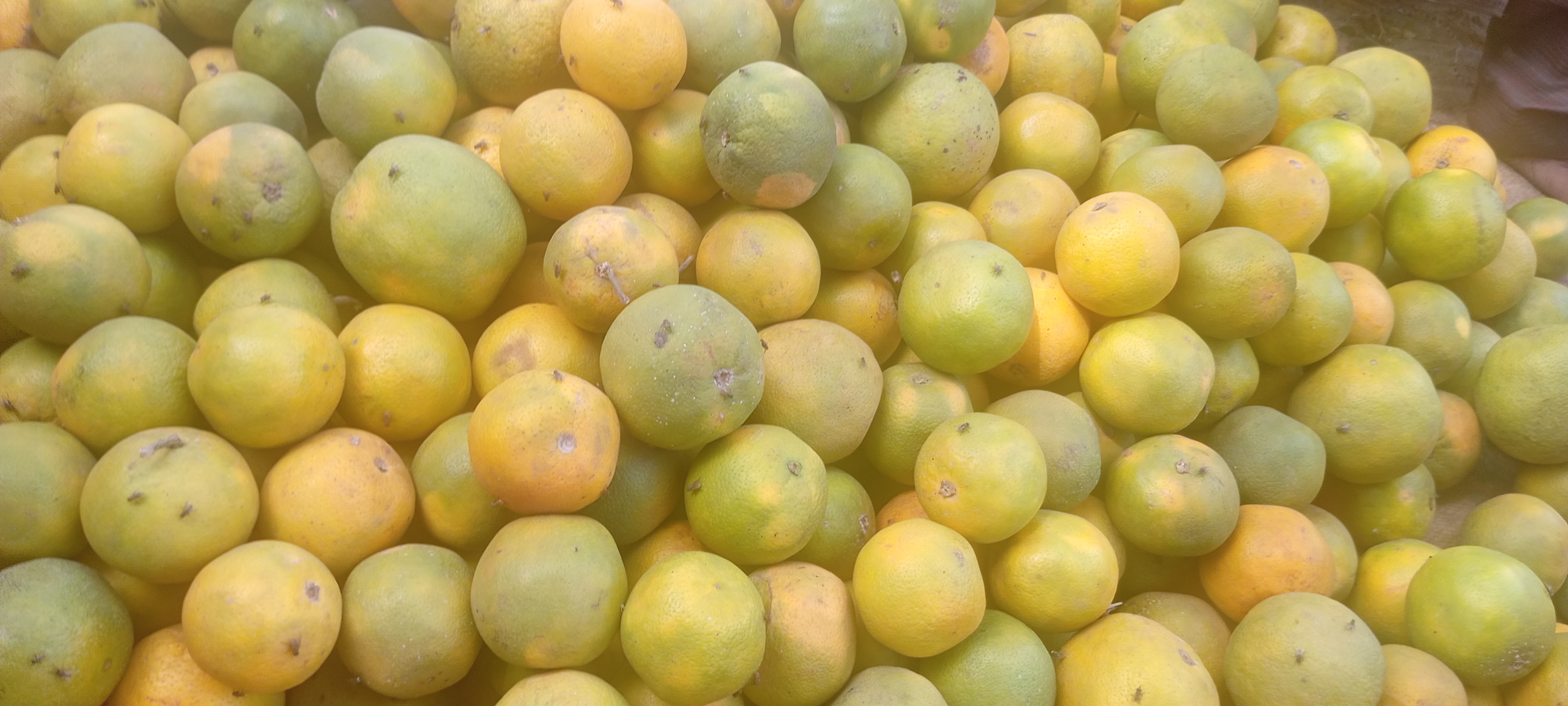
Nigeria is one of the world's larger orange growers, yet it drinks juice made largely from imported concentrate. The country produces roughly 3 per cent of the world's oranges, an estimated 3.9 million tonnes a year, with Benue State as the hub, but about 30 per cent of the crop is lost before it reaches the consumer and there is no significant processing, according to the Postharvest Education Foundation writing through the University of Illinois. To fill the gap, the country imports around 95 per cent of the citrus concentrate used for local fruit juice production.
A Big Harvest, Little Processing
The mismatch between what Nigeria grows and what it can process is stark. Nigeria has just one notable citrus processing plant, Teragro, which began concentrate production in 2012, and its capacity is small against the output of Benue alone, let alone the nation, the Postharvest Education Foundation noted. Sweet orange is the most widely cultivated and consumed citrus across the 16 states that grow it, including Benue, Cross River, Imo, Anambra, Osun, Ondo and others, yet commercial cultivation for large-scale processing has barely started and investment in citrus processing remains thin, according to an assessment of citrus farming in Nigeria published in a peer-reviewed journal.
The Juice Deficit
Researchers have put hard numbers on the shortfall. National citrus juice demand is estimated at about 550 million litres a year against production of only about 135 million litres, leaving a deficit of roughly 414 million litres, the Director of Research and Development at the National Horticultural Research Institute, Dr Adeoye Afolayan, told The Guardian. He estimated that closing the gap would require about 8 million hectares of new citrus cultivation and could create as many as 24 million jobs in cultivation alone. Nigeria's continued reliance on imported juice concentrate persists even though the importation of finished fruit juice was banned back in 2002, according to the Postharvest Education Foundation.
Why the Fruit Is Lost
The perishable nature of citrus, poor rural roads and a lack of cold storage combine to push losses higher, with fruit often left to rot when farmers cannot reach processors or distant urban markets in time, the citrus farming assessment found, calling for cold storage and value addition to curb waste. Trade data confirm the pattern, with Nigeria continuing to bring in orange juice from abroad rather than bottling its own, according to market analysis by IndexBox.
Turning more of the harvest into concentrate and packaged juice would keep value and jobs at home and cut a needless import bill. FoodPrices Nigeria tracks verified retail prices across Lagos markets and follows the processing gaps that decide how much of what Nigeria grows ends up paying foreign suppliers.