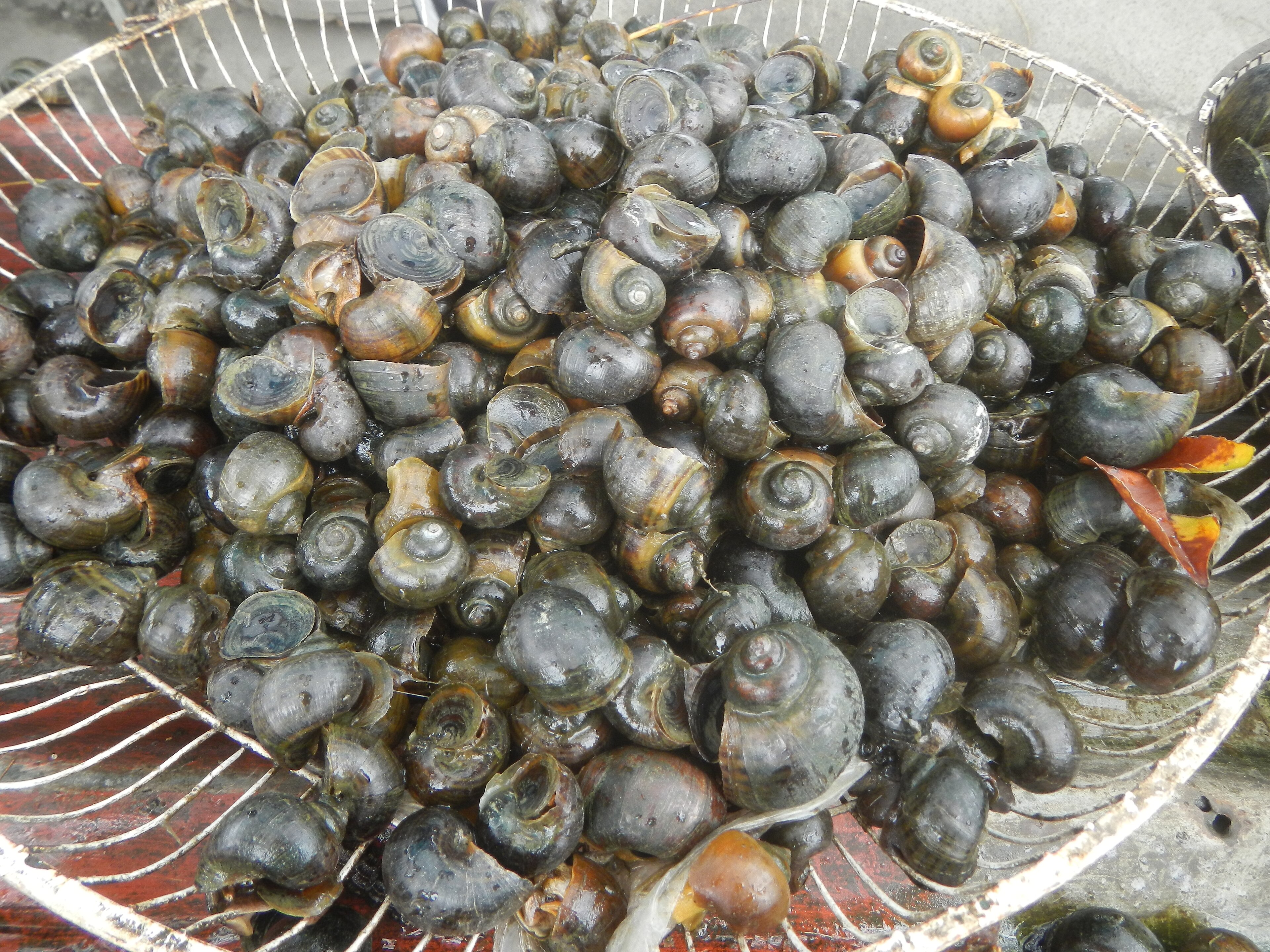
Few foods are as familiar in a Niger Delta kitchen as periwinkles, the small snails picked out of pepper soup and banga. Yet the shellfish that feed millions of coastal Nigerians are almost entirely gathered from the wild rather than farmed. Shellfish are the only important capture-fishery food source still primarily collected from nature rather than cultivated, even as depleted wild stocks struggle to keep pace with demand, a fisheries scholar noted in remarks reported by the Fisheries Committee for the West Central Gulf of Guinea.
A Cheap Protein, Undervalued
Shellfish are a major but affordable source of protein for the coastal towns and villages of Rivers, Cross River and Lagos states, according to research archived by AquaDocs, which found that oysters, periwinkles and cockles compared favourably with beef on protein content while costing a fraction as much per kilogram. Species such as the periwinkle Tympanotonus fuscatus, mangrove oysters and blue crabs are eaten widely, and the study recommended oysters and cockles for commercial culture. The wider seafood sector remains largely untapped, with Nigeria's industry estimated at about $1 billion and the country earning ₦53 billion from frozen shrimps and prawns in a single year, according to BusinessDay.
Idle Coastline, Missed Chance
The raw ingredients for a shellfish industry are already in place. Nigeria has a coastline of about 853 kilometres and large stretches of unused beach edge, creeks, floodplains and wetlands that have been identified as ideal for shellfish aquaculture without destroying mangroves, according to the Fisheries Committee for the West Central Gulf of Guinea. The Niger Delta is reputed as the second-largest brackish habitat in the world, a natural advantage for shellfish and shrimp, according to BusinessDay, yet a shortage of technical know-how and weak cold-chain infrastructure has limited investment.
Wild Harvest Has Limits
Leaning on the wild carries risks. Nigerian fisheries have long depended on captured shellfish including periwinkles, oysters and crabs alongside finfish, according to a Food and Agriculture Organisation country profile, but wild stocks are finite and vulnerable to overharvesting and pollution. Farming shellfish would steady supply, protect a cheap protein for low-income households and open export earnings, experts argue.
In a country where animal protein is increasingly costly, a shellfish left ungrown is a missed chance to feed people affordably. FoodPrices Nigeria tracks verified retail prices across Lagos markets and follows the protein sources that shape the cost of a family meal.